2026 Top Home and Care Products for Global Buyers?
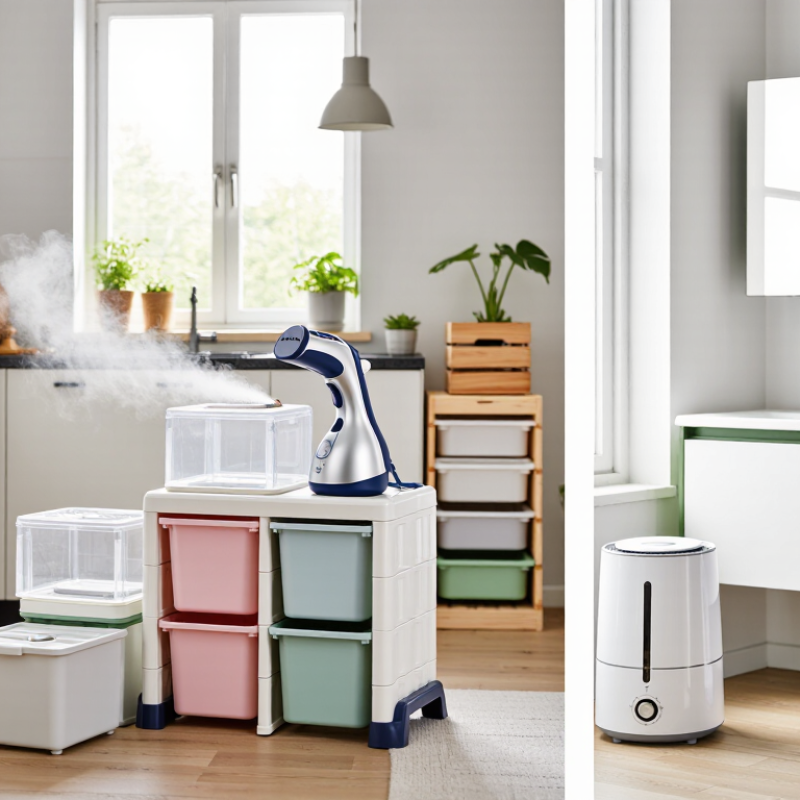
In 2026, global buyers are examining home and care products beyond attractive packaging. They want safer materials, dependable performance, and clear evidence of responsible manufacturing. A kitchen storage set, for example, should resist stains, survive repeated washing, and fit smaller urban cupboards. A fabric steamer should heat evenly, protect delicate clothing, and include straightforward safety instructions.
Mary Gagliardi, a cleaning expert and in-house scientist at Clorox, has said, “The best cleaning product is the one you will actually use.” Her observation remains practical for the home and care market. Convenience matters, but it should not replace durability or responsible design. Buyers are increasingly checking ingredient transparency, recyclable packaging, repair options, and recognized safety certifications. They are also considering local climates. A moisture-resistant bathroom organizer may suit tropical regions, while a low-energy humidifier may better serve dry inland homes.
There is no universal winner. That limitation matters. Product performance can change with water quality, electricity standards, household size, and cleaning habits. Some highly promoted items may look innovative but offer little value after several months. Others may seem ordinary yet perform reliably every day. This guide examines leading 2026 opportunities through a practical lens, combining user experience, technical specifications, supplier credibility, and long-term cost. It also recognizes an uncomfortable truth: sustainability claims are not always easy to verify. Global buyers should ask precise questions, compare independent evidence, and avoid promises that sound perfect. Better choices are usually measurable, repairable, and honest about their limits.
Product Categories Shaping the 2026 Home and Care Market
2026 Top Home and Care Products for Global Buyers
Product Categories Shaping the 2026 Home and Care Market
The 2026 home and care market is moving toward practical comfort, lower waste, and healthier routines. Smart home products remain important, but buyers now expect simple controls and dependable performance. Energy-monitoring plugs, quiet air-quality devices, and water-saving fixtures fit smaller homes and varied living conditions. Some smart features still feel unnecessary. That matters.
Sustainable care products are also gaining attention. Refillable cleaners, concentrated laundry formats, reusable storage, and gentle personal-care tools can reduce packaging without sacrificing convenience. Buyers should examine material safety, ingredient disclosure, shelf life, and disposal guidance. For global distribution, electrical products need suitable voltage, certified components, and clear user instructions. Personal-care items require careful review of local regulations, especially for skin contact. Practical testing often reveals problems that product photos hide.
Tips: Compare products by total ownership cost, not purchase price alone. Test packaging in humid and cold environments. Request independent safety documents before placing large orders. Check whether replacement parts are available locally. Care products should support real routines, not create extra work. A compact storage system may help one household but frustrate another. Listening to regional buyers remains essential, because comfort, hygiene habits, and home layouts differ widely.
2026 Top Home and Care Products for Global Buyers
Product categories shaping the 2026 home and care market
Skin care, pet care, laundry care, oral care, household cleaning, and air care remain major global opportunity areas for 2026. The figures show rounded worldwide market-size estimates in USD billions and are intended for category-level comparison rather than company valuation.
Data basis: rounded 2026 forecasts synthesized from publicly reported category estimates by market-research sources including Grand View Research, Fortune Business Insights, Statista Market Insights, and Euromonitor. Categories are non-exclusive and may overlap across research definitions.
Key Features Global Buyers Should Evaluate Before Purchasing
For 2026, global buyers should evaluate home and care products through real household conditions, not attractive specifications. Check temperature, humidity, voltage, storage space, and cleaning routines before purchasing. Small details matter. The WHO and UNICEF Joint Monitoring Programme reported that 2.2 billion people lacked safely managed drinking water in 2022. Products involving water therefore need clear filtration claims, replacement schedules, and simple maintenance instructions.
Energy use deserves careful attention. The International Energy Agency’s Energy Efficiency 2024 report highlights efficiency as a major tool for controlling demand and household costs. Buyers should compare annual consumption, standby power, noise, and performance under heavy use.
Durability is equally important. The Global E-waste Monitor 2024 recorded 62 million tonnes of electronic waste in 2022, with only 22.3% formally collected and recycled. Ask about repair access, spare parts, warranty coverage, and recyclable materials. A low purchase price can become expensive after one failure.
Care products need transparent ingredients, batch information, safety testing, and instructions in understandable languages. Smart devices should offer secure updates, limited data collection, and useful offline controls. Accessibility also matters: readable labels, non-slip surfaces, light controls, and easy-open packaging help older users and people with limited mobility. More features can create more failure points. Buyers should challenge unnecessary complexity. My own evaluation would still leave room for doubt, because advertised sustainability is difficult to verify without independent testing and supplier records.
Leading Innovations in Smart, Sustainable, and Personal Care Products
Global buyers in 2026 are looking beyond attractive features. They want smart, sustainable, and practical products for daily life. Smart home devices can now monitor air quality, reduce energy waste, and adjust lighting automatically. A connected sensor may lower heating use when a room is empty. Clear controls remain essential for older users and busy families. Small displays help.
Sustainability requires more than recycled packaging. Buyers should examine product lifespan, repair access, replaceable batteries, and energy consumption during use. A durable appliance may create less waste than a cheaper model needing frequent replacement.
However, no product is perfectly sustainable. Manufacturing, shipping, and electronic waste still create environmental costs. Suppliers should provide lifecycle data, material records, and independent test results. Vague environmental claims deserve careful review.
Personal care innovation is becoming more precise and hygienic.
Devices may measure skin moisture, control water temperature, or deliver measured amounts of product. Refillable containers can reduce packaging, but only when refills are easy to find and clean. User testing should check comfort, noise, charging time, and safe operation near water. Personalization sounds impressive, yet too many settings can confuse users. The best products balance useful data with simple routines, supported by transparent instructions and reliable after-sales service.
Regional Preferences, Safety Standards, and Sourcing Considerations
2026 Top Home and Care Products for Global Buyers
Regional preferences are increasingly shaped by climate, housing, and daily routines. In dense Asian cities, buyers often favor compact storage, quiet appliances, and multipurpose care tools. In colder European markets, energy efficiency and repairability matter more. The World Health Organization reports that about 2.3 billion people still cook with polluting fuels, creating demand for safer indoor air and cooking solutions. Preferences are not universal.
Safety evidence must guide every sourcing decision. Products touching skin, food, children, or drinking water need documented material testing and traceable batch records. Electrical items should meet relevant IEC requirements, while children’s products may require ISO 8124 or regional equivalents. The European Union’s General Product Safety Regulation has applied since December 2024, increasing expectations for risk assessment and online product traceability. Paper certificates alone are weak evidence.
Environmental claims also need careful checking. The OECD reported 353 million tonnes of plastic waste in 2019, with only 9% recycled globally. Buyers should request recycled-content verification, packaging data, and realistic end-of-life instructions. A smaller package is not automatically greener. I have seen sourcing teams overlook replacement parts, which can shorten product life and increase waste. Supplier audits, independent laboratory reports, and small pilot orders remain practical safeguards, though they may slow purchasing decisions.