Top 10 Care Home Care Products for Global Buyers
Global buyers face a practical challenge: care needs are growing, but budgets, staffing, and facility layouts differ widely. The World Health Organization’s Ageing and Health fact sheet estimates that 1.4 billion people will be aged 60 or older by 2030, rising to 2.1 billion by 2050. That shift makes dependable care home care products essential—not as a substitute for skilled staff, but as tools that support daily routines, comfort, and safer movement.
Small details matter. A pressure-redistributing mattress must suit the resident and bed frame. A shower chair needs stable feet and a workable fit in the bathroom. OECD’s Health at a Glance 2023 describes substantial differences in long-term-care staffing among countries, a useful reminder that products should be manageable within real staffing conditions. More equipment is not always better. Poorly matched items can complicate care.
This guide introduces ten product categories for international purchasing teams, including mobility aids, adjustable beds, continence supplies, personal-care equipment, and monitoring devices. Each category deserves practical review: cleaning requirements, durability, user comfort, staff handling, and supplier support. Specifications can look excellent on paper. Daily use tells the fuller story. Buyers should also check applicable local standards and facility policies, since requirements vary by market. The list is a starting point, not a universal prescription; resident needs and clinical advice should guide final choices.
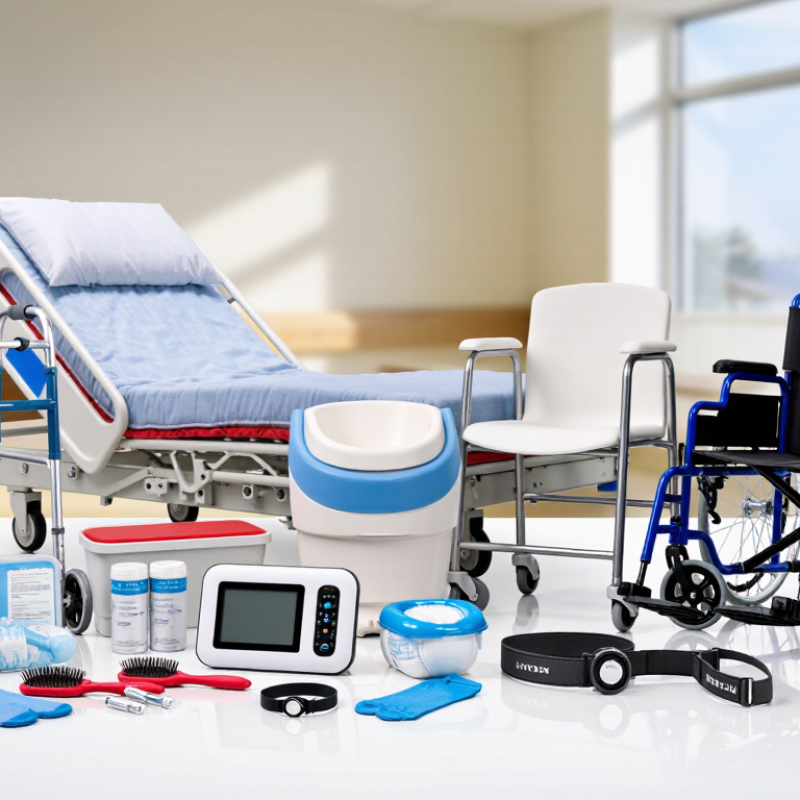
Understanding Care Home Care Products and Their Role
Care home care products are the everyday tools and supplies that support residents’ comfort, hygiene, mobility, and safety. They range from absorbent bedding and skin-care items to transfer aids, dining equipment, and cleaning supplies. Their value is practical: a well-fitting shower chair may make bathing steadier, while easy-grip cutlery can help a resident eat with less assistance. These products do not replace attentive care. Small details matter.
For buyers, selection should start with residents’ routines and abilities, not a catalogue category. Check dimensions, weight limits, washable surfaces, and whether staff can operate an item while wearing gloves. A walking aid that suits one resident may be awkward for another, so assessment by qualified care staff is important. Products must also fit storage space, cleaning processes, and the pace of a busy shift.
Across markets, labels, plug types, climate, and local care practices can vary. Confirm specifications with suppliers and facility teams before ordering. Ask for clear instructions and material details, especially when items touch skin or are cleaned often. An attractive product photo tells little about grip, noise, or comfort after repeated use. A checklist can feel reassuring, but it cannot prove suitability; a small trial with staff and residents may reveal problems that paperwork misses.
Top 10 Care Home Care Products for Global Buyers
Product categories grouped by their primary role in everyday care
This chart groups a curated list of ten commonly used care products by primary function. The counts describe this list only; they are not market-share, sales, or usage statistics. Product selection should reflect residents’ assessed needs and applicable local standards.
Assessing Safety, Accessibility, and Everyday Usability
For global buyers, care home products should be judged in the rooms where residents and staff will use them. An adjustable bed may offer useful positioning, but check the controls from both sides. Can a resident reach them without leaning? Does the frame leave enough space for a wheelchair or walking aid? Small details matter. Look for stable grab rails, shower chairs with non-slip feet, and transfer aids that staff can operate without awkward lifting.
Accessibility is not one-size-fits-all. A toilet frame that suits one resident may obstruct another person’s transfer route. Check seat height, doorway width, turning space, and whether handles can be gripped with limited hand strength. For wheelchairs, test brakes and footrests on the actual floor surface, not just in a showroom. A pressure-relief cushion should fit the chair securely and remain easy to clean. Ask how components are inspected and replaced.
Everyday usability also depends on the people doing the work. Medication storage should be clearly organized, while carts should move smoothly over thresholds without blocking narrow corridors. Try opening packaging with gloves on; it can be surprisingly difficult. Product instructions need plain language, clear diagrams, and readable labels. Specifications are useful, but they do not reveal every snag. A trial with residents and care staff may expose one. Buying decisions still involve compromises, and a feature-rich product can create extra steps rather than simplify care.
Reviewing Global Standards and Regulatory Requirements
Global buyers should assess care-home products against intended use, user risk, and destination-market rules. The World Health Organization’s 2022 global infection-prevention report estimates that 7 in 100 patients in high-income countries and 15 in 100 in low- and middle-income countries acquire an infection during acute hospital care. These figures are not care-home rates, but they underline why hand hygiene, cleaning, and protective equipment matter.
For gloves, disinfectants, continence products, and mobility aids, check labeling, material safety, traceability, and local registration requirements. Medical-device rules differ by market, and a product’s classification can change with its claims. ISO 13485 addresses quality management for medical devices; ISO 14971 covers risk management. Neither standard replaces local regulatory approval. Ask suppliers for current test reports and instructions in the required languages. A neat certificate folder helps, but it cannot prove every shipment matches the tested product.
Tips: Confirm intended use and local classification before ordering. Inspect packaging for lot numbers, expiry dates, and clear instructions. Keep one sample for staff trials, then record issues such as glove tearing or slippery grips. Small details matter. And requirements can change; review them before each new market launch.
Comparing Suppliers, Costs, and Long-Term Product Value
Care homes often compare pressure-relief cushions, transfer aids, continence products, gloves, wipes, shower chairs, and other daily essentials. A practical shortlist starts with residents’ needs, staff routines, and room layouts. Compare suppliers on product specifications, sample availability, delivery reliability, and access to replacement parts. Ask how items are cleaned and maintained. Small details matter.
Purchase price alone can hide long-term costs. A shower chair that resists corrosion may last longer in a damp bathroom, while poorly fitting disposable products can increase waste. Check unit prices alongside expected lifespan, repair options, shipping fees, and minimum order quantities. Request written warranty terms and clear product documentation. Regional requirements differ, so buyers should verify applicable standards with qualified local advisers. A lower quote is not always better value. Yet durability claims also deserve scrutiny; ask for evidence, not just confident sales language.
Tips: Trial a small quantity with caregivers before placing a large order. Note comfort, setup time, cleaning effort, and any fit problems. Test before scaling. Review feedback after several weeks, since first impressions can miss wear, storage issues, or supply delays.