
Reliable home care products are not chosen by bright packaging or familiar promises. In 2026, buyers need clearer proof. That proof begins with the product itself. Who made it? Where was it tested? Can each batch be traced? A dependable sourcing process examines ingredients, material quality, lot codes, packaging seals, and documented performance. It also checks whether suppliers follow relevant market requirements and maintain consistent quality controls.
Dr. Charles P. Gerba, a respected environmental microbiologist, has observed, “The kitchen sink is dirtier than the toilet seat.” This widely cited warning shows why attractive appearances can mislead home care buyers. A product may smell fresh yet perform poorly. Another may look simple but provide stronger evidence, safer handling, and better durability. For help home care businesses, the difference affects customer trust, staff confidence, and long-term costs.
A practical supplier review should include independent test reports, transparent ingredient or material information, complaint records, and a clear return process. Ask for current documents, not recycled files from an unknown date. Check sample products before placing large orders. Compare the label with the delivered item. Small mismatches matter.
The first shortlist may still be wrong. No checklist catches every failure. That is worth admitting.
Reliable sourcing is therefore an ongoing discipline, not a single purchase decision. Teams should review supplier performance, customer feedback, packaging damage, and product consistency over time. They should also question claims that sound absolute. Careful doubt is useful. It helps buyers choose products that work in real homes, not merely in polished sales presentations.
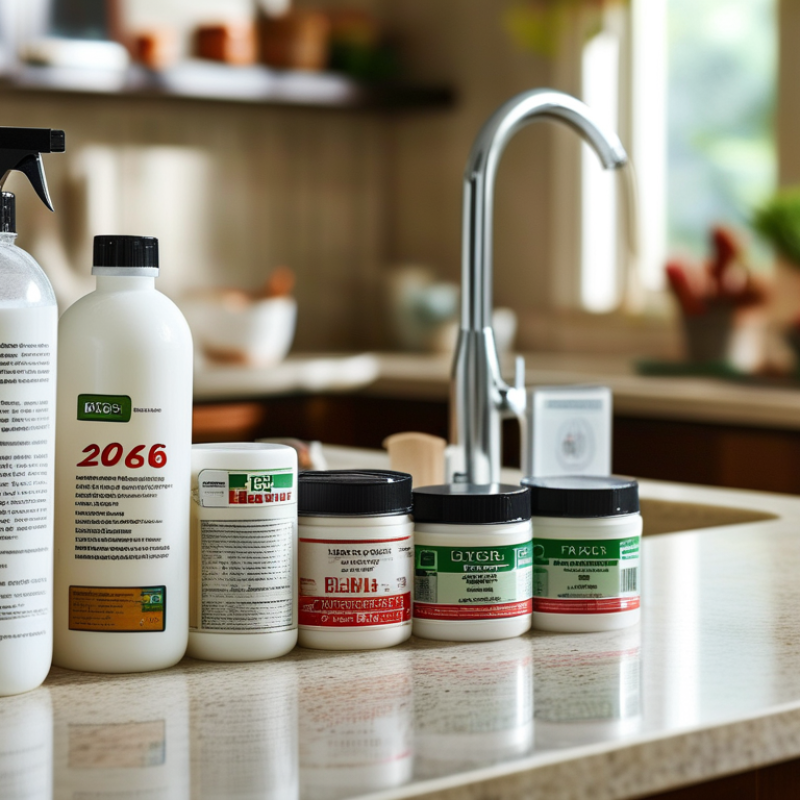
Reliable sourcing begins with precise product requirements. Define the intended user, room, frequency of use, and expected service life. Record dimensions, materials, weight limits, cleaning methods, and storage conditions. For electrical items, specify voltage, temperature limits, insulation, and protection against moisture. For skin-contact products, review allergens, fragrance levels, and ingredient safety. Vague requirements create avoidable risks.
Tips: Request current test reports, material declarations, safety data, and batch records. Check whether documents match the exact product model. Ask for independent laboratory verification, not only supplier claims. Order samples from different production batches. Inspect seams, labels, packaging, instructions, and possible sharp edges. Keep photographs and inspection notes for traceability. Small details matter.
Safety standards should match the product’s use and destination market. Confirm applicable consumer, electrical, chemical, and packaging requirements before purchase. A supplier should explain testing methods clearly and provide corrective actions for failed results. My early checklist was too broad. It missed cleaning durability and confusing instructions. That mistake taught me to test products as people actually use them. A sturdy item can still be unsafe when instructions are unclear. Review supplier history, quality controls, complaint handling, and recall procedures. Consistent evidence builds trust.

Reliable home care sourcing begins with the supplier, not the product catalogue. The WHO and UNICEF Global Report on Assistive Technology estimates that more than 2.5 billion people need assistive products worldwide. That demand attracts capable manufacturers and careless intermediaries.
Request the supplier’s legal registration, factory address, quality certificates, and product test reports. Check whether each certificate covers the actual facility and product category. ^An ISO 9001 logo alone proves little. The ISO Survey reported 1,265,216 valid ISO 9001 certificates worldwide in 2022, so verification matters more than presentation. Contact the issuing body directly. Confirm certificate numbers, expiry dates, and audit scope.
Ask for batch records, material specifications, complaint procedures, and recall history. A reliable supplier should explain how a faulty item is isolated, documented, and replaced. Request a sample before signing a large order. Inspect packaging, labels, seams, electrical parts, and instructions under normal household use. Small details reveal weak controls.
I have seen suppliers provide impressive documents but vague answers about subcontracting. That gap deserves attention. Visit the production site when possible, or use an independent audit with clear evidence. Review recent inspection findings, not only a friendly reference. Credentials can also become outdated, and I sometimes treat a familiar certificate too generously. Rechecking remains necessary. Keep a dated verification file for every supplier and repeat the review after major product or factory changes.
How to Source Reliable Home Care Products in 2026?
Reliable sourcing starts with visible, measurable product quality. Inspect materials, stitching, seals, handles, and moving parts. A product should survive repeated household use, not just look attractive in a sample room. Request test reports for durability, leakage, heat resistance, chemical compatibility, or electrical safety when relevant. Test methods should match the product’s real use.
Ask whether an independent laboratory performed the testing. Check the laboratory’s accreditation, report date, sample identity, and tested batch. A certificate without traceable records proves little. Review factory quality controls, incoming material checks, production inspections, and final sampling procedures. Keep photographs and signed inspection records. Small details matter.
Certifications can support trust, but they are not automatic proof of quality. Confirm the certificate’s scope, expiry date, issuing body, and covered manufacturing site. Review declarations for materials, labeling, packaging, and restricted substances. Requirements vary by destination market, so confirm them before production. A product may pass one standard and still fail local labeling rules.
Do not rely on one successful sample. I have seen attractive samples hide inconsistent stitching and weak packaging. That mistake is costly. Require a pre-shipment inspection and retain reference samples. Batch numbers, supplier records, and corrective-action reports improve traceability. Still, testing has limits. Products can change after approval, especially when suppliers change materials without notice. Recheck critical features and document every approval clearly.
Reliable home care products in 2026 require more than a low unit price. Compare the full landed cost, including packaging, inspection, duties, and delivery. A product priced at $2 may cost more than a $2.30 alternative after shipping. Request tiered quotations for 100, 500, and 1,000 units. The lowest price may require an unrealistic minimum order.
Minimum order quantities should match your storage space and sales forecast. Ask whether the supplier accepts mixed colors, sizes, or small trial batches. Samples matter. Test fabric strength, stitching, odors, closures, and cleaning performance. Keep dated photos and written test notes. A sample can look excellent while bulk production differs. That happens.
Tips: Request at least two samples from separate production batches. Confirm sample fees, refund conditions, and production lead time in writing. Compare shipping terms carefully. Delivered pricing is convenient, but transport costs may be hidden in the quotation. Under EXW or FOB terms, you may manage more logistics yourself. Under DDP terms, verify what customs and delivery services are included. Ask for carton dimensions, gross weight, tracking details, and damage procedures. I once underestimated carton volume and paid more for storage than expected. That mistake was avoidable. Also review material specifications, safety documents, and inspection rights before payment. Reliable suppliers answer specific questions clearly, even when the answer is inconvenient.
Compare typical wholesale pricing, minimum order quantities, sample costs, and shipping terms before requesting supplier quotations.
| Product Category | Typical Sample Cost | Sample Lead Time | Common Shipping Terms |
|---|---|---|---|
| Nitrile Examination Gloves | Free–$10 | 3–7 days | FOB or EXW |
| Disposable Underpads | $10–$20 | 5–10 days | FOB, CIF, or DDP |
| Adult Incontinence Briefs | $15–$30 | 7–14 days | FOB or CIF |
| Patient Transfer Belts | $20–$40 | 7–14 days | EXW or FOB |
| Adjustable Bed Rails | $25–$50 | 10–21 days | FOB, CIF, or DDP |
The figures are indicative 2026 wholesale planning benchmarks for unbranded products. Confirm specifications, certifications, packaging, freight, duties, and final landed cost with each supplier before placing an order.
Reliable home care sourcing in 2026 requires continuous supplier monitoring, not a single approval audit. McKinsey Global Institute reports that supply chain disruptions lasting one month or longer occur about every 3.7 years. A supplier that looks stable today may struggle after a raw-material shortage, labor change, or rushed production shift. Set monthly scorecards for defect rates, delivery accuracy, complaint response, batch traceability, and corrective-action timing. Keep evidence, not promises.
Quality control should reach the production floor. Request current certificates of analysis, approved material specifications, change-notification procedures, and lot-level records. Test samples independently when risk justifies the cost. The ISO Survey 2023 reports more than one million ISO 9001 certificates worldwide, yet certification alone does not guarantee consistent product quality. Review audit findings, calibration records, and process trends. Ask uncomfortable questions.
A clean audit can still hide weak supervision. In practice, supplier data may arrive late or appear overly polished. That is a warning. Use unannounced checks where appropriate, compare laboratory results across batches, and verify corrective actions after 30, 60, and 90 days. Track repeated minor failures; they often precede a serious one. My own weak point would be overtrusting familiar paperwork. Independent verification costs time, but it exposes gaps before customers do. (McKinsey Global Institute, Risk, Resilience, and Rebalancing in Global Value Chains; ISO Survey of Certifications 2023)
Supplier monitoring and quality-control framework for home care product sourcing
| Control Dimension | Applicable Product Area | Evidence or Test Method | Monitoring Frequency | Acceptance Criteria | Escalation Trigger |
|---|---|---|---|---|---|
| Supplier quality system | All product categories | Valid quality certificate, documented procedures, internal audit records, complaint and corrective-action history | Document review before approval; annual reassessment | Certificate scope covers the supplied product and manufacturing site; no unresolved critical findings | Expired certificate, scope mismatch, falsified records, or repeated major audit findings |
| Electrical safety | Powered household appliances and electrically operated care equipment | Applicable IEC 60335 safety evaluation, insulation resistance, dielectric strength, leakage current, grounding, temperature-rise and functional tests | Design approval; every production lot; after any component or process change | All applicable clauses passed; no critical electrical-safety defect; test equipment within calibration | Any shock, fire, overheating, grounding, insulation, or counterfeit-component risk |
| Chemical composition and labeling | Detergents, disinfectants, surface cleaners and other chemical home-care products | Safety Data Sheet, ingredient declaration, pH or active-content test, packaging inspection and hazard-label review under the applicable GHS-based rules | Each formulation change and production lot; regulatory review at least annually | Formula matches the approved specification; label, warnings, disposal instructions and batch code are complete and legible | Unapproved ingredient, missing hazard information, leakage, abnormal pH, or failed active-content result |
| Restricted substances | Plastics, textiles, coatings, adhesives and products sold in regulated markets | Material declaration and risk-based laboratory screening for restricted substances under applicable regulations, including REACH Annex XVII or market-specific requirements | Before first order; annually; after material, colorant or supplier change | Results meet the legal limits for the destination market and match the approved bill of materials | Any exceedance, missing material traceability, or unexplained formulation change |
| Mechanical durability | Cleaning tools, storage products, handles, hinges, wheels and reusable household accessories | Load, drop, cycle, pull-force, abrasion and leakage testing based on the approved product specification and intended use | Pre-production; first production lot; quarterly sample verification | No fracture, sharp edge, loss of function, unacceptable deformation or leakage after the defined test sequence | Safety-related breakage, repeated functional failure, or performance deterioration above the approved limit |
| Textile and soft-goods performance | Reusable cloths, mop heads, towels, covers and household fabric products | Dimensional stability, colorfastness using applicable ISO 105 methods, seam strength, absorbency and laundering-cycle tests | Before approval; every major material change; semiannual verification | Results meet the approved specification; no excessive shrinkage, color transfer, seam opening or abnormal odor | Visible dye transfer, mold or odor complaint trend, or failure after the defined laundering cycles |
| Water-contact and migration safety | Water containers, dispensers, humidifier components and products intended for food or drinking-water contact | Destination-market material compliance review, migration or extractables testing where required, odor and taste assessment where applicable | Before approval; after material or mold change; annual risk-based testing | Material is suitable for the declared contact use and meets the applicable legal limits | Unapproved resin, abnormal odor or taste, failed migration result, or undocumented recycled content |
| Incoming quality performance | All incoming finished goods and critical components | Sampling inspection using an approved acceptance-sampling plan, visual inspection, dimensions, function and packaging checks | Every shipment; trend review monthly | Recommended internal target: critical defects = 0; overall defect rate ≤ 1.0% unless the product risk assessment defines a stricter limit | Any critical defect, failed shipment inspection, or three consecutive lots showing deterioration |
| Traceability and change control | All products, materials, packaging and critical components | Lot code, production date, raw-material records, approved bill of materials and documented engineering-change notice | Every shipment; change review before implementation | Affected lots can be identified within one business day; no unapproved change enters production | Missing lot data, mixed materials, unauthorized substitution, or inability to isolate affected stock |
| Corrective and preventive action | Supplier defects, complaints, recalls and audit findings | Root-cause analysis, containment evidence, corrective-action plan, effectiveness verification and updated work instructions | For every major or critical issue; monthly open-action review | Recommended internal target: containment within 24 hours and major-action closure within 30 calendar days | Missed deadline, recurring root cause, ineffective correction, or customer-safety risk |
| Calibration and test integrity | All inspection and laboratory equipment | Calibration certificates traceable to recognized national or international measurement standards; equipment status labels and maintenance records | Before use and according to the defined calibration interval; monthly record review | Recommended internal target: 100% of equipment in calibration before testing | Expired calibration, damaged equipment, missing records, or test results affected by equipment uncertainty |
“Establish the work of our hands”
Psalm 90:17b