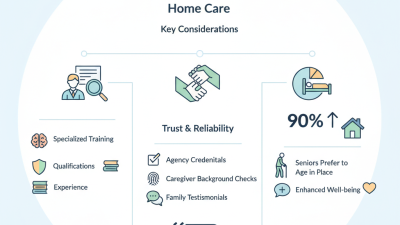
Providing home care can help people remain in familiar surroundings while receiving support with everyday routines. A caregiver may prepare breakfast, help someone dress, or make sure a glass of water sits within reach. These practical moments can protect a person’s comfort and independence. They can also reassure family members who cannot be present throughout the day. The right arrangement depends on the person’s needs, preferences, and available support. Home care is not automatically the best fit for everyone.
Dr. Atul Gawande, a surgeon and public health researcher, wrote, “Our ultimate goal, after all, is not a good death but a good life to the very end.” His words point toward a central question: what helps someone live well, not merely get through the day? Thoughtful providing home care can answer that question through attentive, respectful support. It may involve keeping familiar routines, noticing changes, and communicating clearly with relatives and health professionals. Small things count. A calm conversation can matter as much as a completed task. Still, care at home can bring strain, cost, and difficult decisions; families may need to reassess the plan as circumstances change. That reflection belongs in any honest discussion. This article explores why home care matters, what benefits it may offer, and how to consider its limits with care.

Home care can cover practical help and personal support, shaped around what someone can safely manage at home. A caregiver may help with bathing, dressing, grooming, and moving between bed and chair. Small tasks matter. A steady hand near a slippery bathroom mat can reduce worry, though it cannot remove every risk.
Support may also include preparing simple meals, reminding someone about scheduled medicines, light housekeeping, laundry, errands, and companionship. Medication reminders are not the same as changing a prescription or deciding a dose. That boundary matters. Depending on training and local rules, a qualified nurse may provide clinical services such as wound checks or injections. Families should clarify who does each task before care begins.
Good home care is personal, not a fixed checklist. A visit might involve setting out breakfast, checking that walking paths are clear, and listening while an older adult describes a difficult night. The schedule should reflect the person’s routines, preferences, and changing abilities. Care plans can miss things; a written list may overlook how tiring a shower feels after poor sleep. Regular conversations with the person receiving care, family, and care team help adjust support and flag concerns early.

Home care can support independence by helping with daily tasks while leaving meaningful choices with the person receiving care. A caregiver might steady someone as they dress, prepare a familiar breakfast, or help organize groceries. Small details matter. Keeping a favorite mug within reach can make a morning feel more manageable. Support should follow the person’s preferences, not replace them.
AARP’s 2024 Home and Community Preferences Survey found that 75% of adults aged 50 and older want to remain in their current homes as long as possible. Home care can help make that goal more practical through assistance with meals, personal care, mobility, and household routines. The CDC reports that more than one in four older adults falls each year. A caregiver may notice a loose rug or help someone move carefully, though home care cannot remove every risk.
Good support takes observation and adjustment. One person may want help bathing; another may prefer a nearby presence and privacy. That distinction matters. Some days, a planned routine will not fit. Fatigue, pain, or a change in mood can alter what feels possible. Caregivers and families should communicate clearly and revisit plans when needs change. A rushed task can undermine independence, even when the intention is kind.
Home care can turn ordinary routines into practical health support. A caregiver may notice an untouched lunch, a new bruise, or difficulty standing from a familiar chair. These details can prompt a timely conversation with a clinician. They do not replace medical care. They can help families spot changes sooner.
Safety at home deserves close attention. The CDC reports that about one in four adults aged 65 and older falls each year. Clear walkways, brighter lighting, and help with bathing or transfers can reduce everyday hazards. Small details matter. Still, no arrangement removes every risk, and support should match the person’s abilities and preferences.
Home care can also ease isolation and support family caregivers. A 2020 report from the National Alliance for Caregiving and AARP estimated that 53 million U.S. adults provided unpaid care. That figure reflects a substantial caregiving role, though it does not prove that every family needs paid help. Consistent visits can make room for conversation, meals, and medication reminders. Yet care must feel respectful, not controlling. A quiet check-in may help more than a perfect schedule. Home care works best when the person receiving support has a voice in daily decisions.
Home care can support safer routines and help people manage daily life at home. These CDC statistics show why fall prevention matters for older adults; they describe population risks, not the measured effect of home care.
The two bars use different denominators: the first is the share of older adults who fall each year; the second is the share of falls that cause a serious injury. Source: U.S. Centers for Disease Control and Prevention, About Older Adult Falls.
Home care can help families stay connected while a loved one receives support in familiar surroundings. A caregiver may assist with bathing, dressing, meal preparation, or safe movement around the house. Small details matter: a clear path to the bathroom, fresh water beside the chair, and a medication list kept where everyone can find it. Familiar routines can make daily care feel less disruptive.
Families benefit when responsibilities are shared rather than left to one exhausted person. A home care worker may provide scheduled support, giving relatives time to work, rest, or attend appointments. That break matters. It can also make conversations calmer, especially when family members have different ideas about what help is needed. Regular updates about sleep, appetite, mood, and changes in mobility can help families notice concerns and discuss them with a qualified health professional. Needs can change, so care plans should be reviewed instead of treated as permanent.
Caregivers benefit from clear instructions and realistic expectations. A written schedule, emergency contacts, and notes about personal preferences can reduce confusion during a busy day. Still, home care is not a perfect fix. It may involve costs, privacy adjustments, or difficult decisions about how much support is appropriate. Families should ask questions, check that caregivers are trained for the tasks involved, and speak openly when something feels uncomfortable. The process can be imperfect. Honest communication helps.
Home care matters most when familiar routines start to feel unsafe, exhausting, or impossible to manage alone. A person may struggle to bathe, dress, prepare meals, or move safely between rooms. Notice the details: an untouched lunch, repeated falls, or a growing pile of laundry can signal that daily support is needed. Small changes count.
Support can be especially important after surgery, a hospital stay, or a sudden decline in health. Clear help at home can make it easier to follow discharge instructions, keep appointments, and spot changes that should be reported to a clinician. Care workers do not replace medical advice, and medication changes should be discussed with a qualified professional. A sudden change needs attention.
Home care may also help people living with long-term illness, memory loss, or limited mobility remain involved in everyday choices. The right support might mean help with meals, bathing, light household tasks, or simply a steady presence during the day. Sometimes the need is not obvious. Family caregivers may notice their own sleep, health, or patience worsening as responsibilities grow. It can be hard to admit that the current arrangement is no longer working. Reviewing needs with the person, family, and health professionals can help shape support that fits, then adjust it as circumstances change.
| When Home Care Is Most Important | Why It Matters | Examples of Helpful Support | Signs Support May Be Needed |
|---|---|---|---|
| After a hospital stay or illness | The transition home can involve new care instructions, reduced strength, or follow-up needs. Help at home can support recovery and make it easier to follow the care plan. | Assistance with daily activities, meals, mobility, appointment coordination, and reminders to follow clinician-provided instructions. | Difficulty managing routine tasks, keeping track of instructions, or getting to follow-up appointments. |
| When daily activities become difficult | Practical assistance can help a person maintain routines and remain in a familiar environment while respecting their independence. | Help with bathing, dressing, preparing meals, light household tasks, and moving safely around the home. | Unfinished meals, missed personal-care routines, or increasing difficulty with tasks that were previously manageable. |
| When mobility or fall concerns arise | A safer home routine and appropriate assistance can reduce avoidable hazards. A caregiver should follow the person’s care plan and use recommended mobility aids. | Help with transfers and walking, keeping pathways clear, and reporting changes in balance or mobility to the appropriate professional. | Recent falls or near-falls, unsteadiness, or trouble getting in and out of bed or a chair. |
| When memory or thinking changes affect routines | Consistent support can help maintain familiar routines and provide reassurance, while changes in cognition should be discussed with a health professional. | Companionship, simple routine reminders, meal support, and assistance keeping appointments. | Repeatedly missed appointments, difficulty completing familiar tasks, or growing problems with everyday routines. |
| When a long-term condition makes care more demanding | Reliable help can make daily living more manageable and help families notice changes that may need professional attention. | Support with household routines, personal care, transportation, and communicating observed changes to the person’s care team. | Care needs are increasing, routines are becoming harder to manage, or family support is no longer sufficient on its own. |
| When family caregivers need regular relief | Planned help can give family caregivers time for rest and other responsibilities, supporting a more sustainable care arrangement. | Scheduled visits, respite support, companionship, or help with agreed daily tasks. | Caregivers feel persistently overwhelmed, have little time to rest, or are struggling to balance caregiving with other responsibilities. |
Home care needs vary from person to person. Discuss changes in health or care needs with a qualified health professional. Sudden or severe symptoms require urgent medical attention.
“Establish the work of our hands”
Psalm 90:17b