How to Choose the Right Home Care Services for Your Loved Ones?
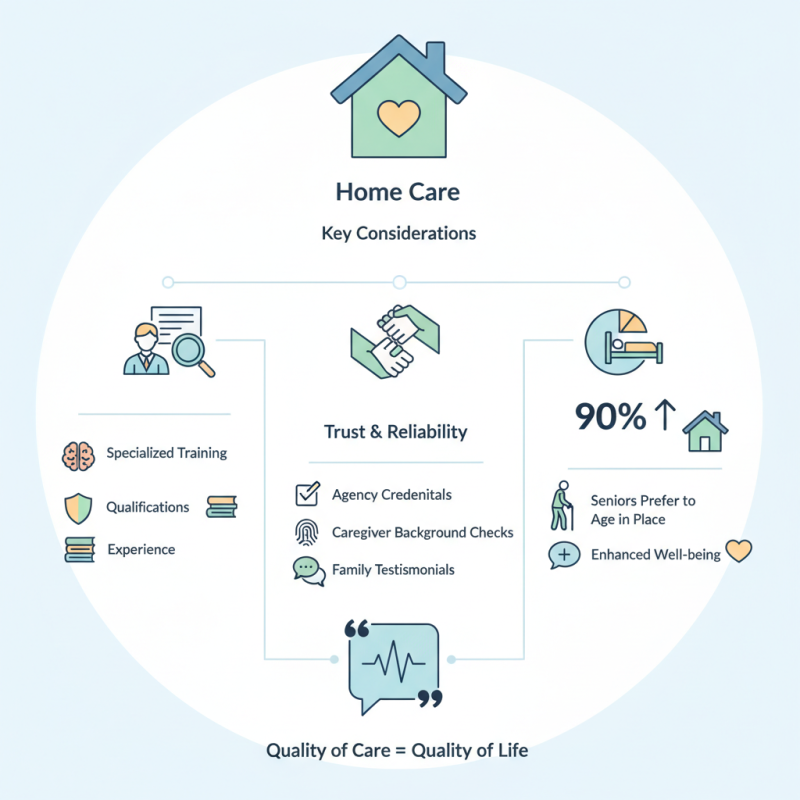
Choosing the right home care services for loved ones is crucial for their well-being and comfort. According to the National Association for Home Care & Hospice, 90% of seniors prefer to age in place. This highlights the growing demand for reliable home care solutions. Dr. Amy Silver, a leading expert in the home care industry, emphasizes, “The quality of home care significantly impacts the quality of life for the elderly.”
When considering home care, families often feel overwhelmed. The choices are many, but not all services are created equal. For example, understanding caregivers' qualifications and training can be daunting yet essential. A caregiver with specialized training can make a huge difference in providing quality care.
Trust and reliability are vital in the home care sector. Many families share stories of poor experiences, reflecting the need for thorough research. It’s essential to ask questions about the agency's credentials and caregiver background. Evaluating these factors empowers families to make informed decisions.
Understanding Different Types of Home Care Services Available Today
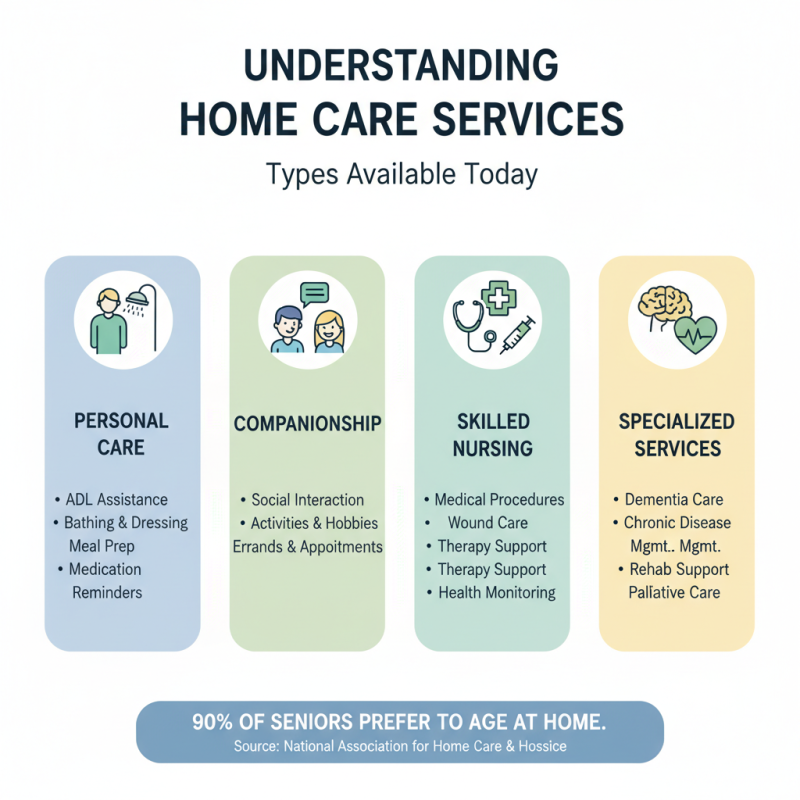
When selecting home care services, understanding the various types available is crucial. Home care often falls into a few categories: personal care, companionship, skilled nursing, and specialized services. According to the National Association for Home Care & Hospice, nearly 90% of seniors wish to stay in their homes as they age. This desire drives the demand for different types of services.
Personal care services focus on daily activities. Trained aides assist with bathing, dressing, and nutrition needs. Companionship services provide social interaction. Loneliness affects about 40% of older adults, highlighting the need for engaging services. Skilled nursing, on the other hand, is essential for patients who require medical attention. This necessity covers wound care, medication management, and post-operative assistance.
Specialized services also cater to specific diagnoses like dementia or Parkinson’s disease. These care options often require trained professionals with expertise in managing unique challenges. Yet funding and accessibility remain concerns. A recent report by the AARP suggested that nearly 50% of family caregivers faced difficulty finding suitable services. It's vital to evaluate these options carefully, reflect on your loved one's needs, and approach the decision with insight.
Evaluating the Quality of Home Care Providers: Key Metrics to Consider
When evaluating home care providers, certain key metrics can significantly impact the quality of care. According to the National Association for Home Care & Hospice, nearly 90% of families prioritize trusted caregiver relationships. It’s crucial to assess caregiver qualifications, including certifications and training. A recent survey found that 70% of families considered staff training quality as a top metric for choosing a provider.
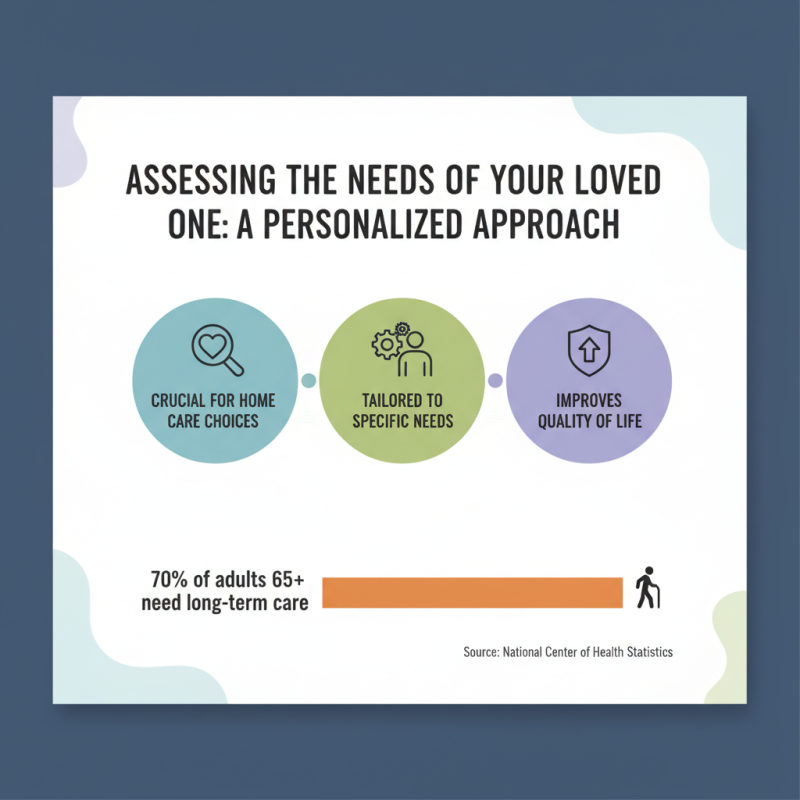
Another essential factor is the availability of personalized care plans. Research indicates that customized services can improve patient satisfaction by up to 40%. Families should inquire about how providers tailor care to meet individual needs. Regular assessments and updates to care plans reflect responsiveness, ensuring safety and comfort.
Lastly, look into caregiver-to-client ratios. High ratios can lead to burnout among caregivers, affecting the quality of care. The U.S. Bureau of Labor Statistics notes that adequate staffing can enhance patient outcomes. Evaluating these metrics could help families select the best home care services for their loved ones, leading to profound improvements in their overall well-being.
Cost Analysis of Home Care Services: Budgeting for Your Family’s Needs
When budgeting for home care services, families often face multiple financial considerations.
Assess the overall cost of services based on individual needs, whether it’s personal care, housekeeping, or companionship.
Each option comes with a unique price point. Understanding these elements helps determine what fits your budget.
Explore available financing options.
Insurance may cover some expenses, but not all.
Many families overlook out-of-pocket costs. Be mindful of unexpected fees.
Talk to your provider about transparent pricing to avoid hidden charges later on.
Reflect on the quality of care versus cost.
Cheaper services may not always meet high standards.
While staying within budget is crucial, prioritize the well-being of loved ones.
Investing in reliable services can save money long term and ensure quality.
Don’t hesitate to ask questions and seek different perspectives to make an informed decision.
Regulatory Standards and Certifications in Home Care: What to Look For
When selecting home care services, understanding regulatory standards and certifications is crucial. Many states require caregivers to meet specific training and certification requirements. According to the National Association for Home Care & Hospice, nearly 80% of home care agencies achieve state certification, which can indicate a commitment to quality.
Look for certifications like the Joint Commission or the Community Health Accreditation Partner (CHAP). These organizations assess agencies based on stringent benchmarks. They review staff training, patient safety, and quality of care. Research shows that agencies with these certifications report higher client satisfaction rates, often exceeding 90%. When families choose certified agencies, they can feel more confident in the care provided.
However, not all agencies meet these standards. Some may have expired licenses or lack proper accreditation. It is essential for families to ask about the agency’s compliance history. A quick call to the appropriate state health department can reveal potential red flags. Prioritizing these checks can lead to better outcomes for loved ones. Make informed decisions based on thorough research and communication with care providers.
How to Choose the Right Home Care Services for Your Loved Ones? - Regulatory Standards and Certifications in Home Care: What to Look For
| Service Type |
Regulatory Body |
Key Certifications |
Considerations |
| Personal Care |
Department of Health |
Home Care License |
Trained caregivers, service reviews |
| Companion Care |
Medicare (if applicable) |
Certificate of Completion for Training |
Background checks on caregivers |
| Skilled Nursing |
State Nursing Boards |
Registered Nurse (RN) Certification |
Care plans tailored for patients |
| Therapy Services |
American Physical Therapy Association |
Licensed Therapy Provider |
Experience in specific conditions |