2026 Best Nurse to Home Care Solutions for Global Buyers
Choosing the right nurse to home care solution can shape a patient’s safety, comfort, and recovery at home. Global buyers often compare agencies, independent nurses, digital platforms, and coordinated home health providers. Each option may look similar online. The real differences appear during a home visit, a medication review, or an urgent evening call.
This guide examines practical solutions for international families, healthcare buyers, and care coordinators in 2026. It considers nurse qualifications, clinical experience, background checks, language support, insurance, emergency procedures, and continuity of care. A reliable provider should explain who supervises the nurse, how records are protected, and what happens when a scheduled caregiver becomes unavailable. Clear answers matter. Vague promises do not.
Good care is personal.
A nurse may notice swelling around an ankle, confusion after a new prescription, or a family caregiver’s growing fatigue. These details can prevent larger problems when reported correctly. However, no service can guarantee perfect outcomes. Care plans may need revision, and technology cannot replace professional judgment. Some platforms advertise convenience but provide limited clinical oversight. Low prices may also hide travel fees, short visits, or weak follow-up systems.
Readers should verify local licensing requirements and speak with qualified healthcare professionals before making decisions. Provider standards differ across countries and regions. This comparison aims to support careful evaluation, not replace medical advice. The best choice is usually the solution that combines competent nursing, transparent communication, documented care, and respect for the patient’s daily life.

What Is Nurse-to-Home Care and Who Needs It?
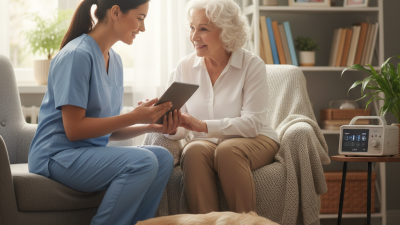
Nurse-to-home care brings qualified nurses into a person’s residence for clinical support. It may include wound dressing, injections, medication monitoring, vital-sign checks, and recovery guidance. It is not simply household help. Care plans should follow a clinical assessment, physician instructions, and local regulations.
The World Health Organization reports that one in six people worldwide will be aged 60 or older by 2030. By 2050, the global population aged 60 and above may reach 2.1 billion. These figures explain the growing need for safe home-based services, especially for older adults living with diabetes, heart disease, mobility limitations, or several medicines. Patients recovering after surgery may also need short-term nursing visits. Families often need practical training, not only reassurance.
A suitable service begins with clear questions: Who supervises the nurse? How are emergencies handled? Are visit records shared with the patient’s doctor? The International Council of Nurses emphasizes appropriate professional standards, while WHO highlights integrated, person-centered care for older people. Needs vary widely. Some patients need one weekly visit; others require frequent monitoring after discharge. In practice, home settings can expose problems that hospitals miss, such as loose rugs, poor lighting, or confusing pill storage. That distinction matters. Yet no service is perfect. A remote family may still feel uncertain, and a rushed assessment can overlook cultural preferences or caregiver fatigue. Regular reviews and transparent communication remain essential for global buyers comparing nurse-to-home care solutions.
2026 Best Nurse-to-Home Care Solutions for Global Buyers
Nurse-to-home care delivers qualified nursing assessment, treatment, monitoring, education, and recovery support in a person's home. It is especially relevant for older adults, people living with chronic conditions, patients recovering after hospital discharge, and individuals with limited mobility.
The number of people aged 60 and over is projected to rise from approximately 1.0 billion in 2020 to 1.4 billion by 2030 and 2.1 billion by 2050. This demographic trend increases the need for accessible home-based nursing, chronic-care management, rehabilitation, and family-caregiver support. Source: World Health Organization, “Ageing and health.”
Key Services Included in Modern Home Nursing Care
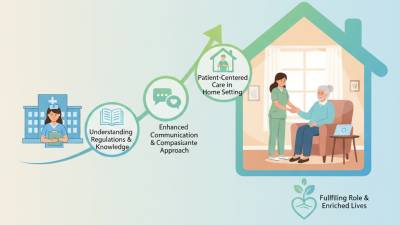
Modern home nursing care begins with a practical assessment, not a generic package. A qualified nurse reviews mobility, pain, nutrition, medication routines, home hazards, and family capacity. This visit may reveal a loose rug, missed evening tablets, or breathlessness after a short walk. The nurse then creates a care plan with measurable goals and review dates. Services may include wound dressing, injections where legally permitted, catheter care, bathing, continence support, and safe transfers. Chronic conditions require regular checks of blood pressure, blood glucose, weight, and symptoms. Small changes matter.
Reliable care also depends on coordination. Nurses document observations, explain warning signs, and communicate with authorized healthcare professionals and relatives. They can teach caregivers to reposition a patient, clean equipment, or use mobility aids safely. Medication support should follow prescriptions, identity checks, timing records, and local regulations. Privacy matters during every visit. Cultural preferences, language needs, and household routines should shape the service. A clear escalation plan identifies when emergency services are needed. In practice, no plan is perfect. A patient may refuse care, symptoms may change overnight, or a family caregiver may misunderstand instructions. Regular reviews can expose these gaps and improve the next visit. Forgotten details still need attention.
How to Evaluate Providers for International Home Care
How to Evaluate Providers for International Home Care
Choosing home care across borders requires more than comparing hourly prices. The World Health Organization projects that one in six people worldwide will be aged 60 or older by 2030. Demand will rise, but service quality may vary sharply between regions. Ask whether nurses hold valid local licenses and whether their qualifications are independently verified. Request written evidence, not friendly assurances.
Check the care plan in practical detail. Who visits at 7 a.m. when mobility is limited? Who responds if a nurse cancels? Reliable providers should explain supervision, replacement staffing, medication procedures, language support, and emergency escalation.
The OECD’s Health at a Glance 2023 reported an average of about 5.6 long-term-care workers per 100 people aged 65 and over across OECD countries.
That average hides major national differences. Staffing promises need local proof.
Review privacy safeguards, insurance coverage, payment terms, and complaint channels before signing. International arrangements can involve different rules for health records, employment, and professional accountability. A polished website is not proof. A practical mistake is accepting testimonials without checking recent references. Speak with two families, inspect sample care notes, and ask how missed visits are recorded. No checklist is perfect. Leave room for reassessment after the first week, when the care plan meets real life.
Technology, Safety, and Quality Standards in 2026
In 2026, nurse-to-home care solutions must connect clinical judgment with dependable technology. Global buyers should assess more than device features. A remote monitor may track oxygen levels, blood pressure, and movement. Yet a number without trained interpretation can mislead. Experienced nurses should review alerts, confirm symptoms, and document every decision. Short response times matter. So does a clear escalation path.
Safety begins before installation. Providers should verify nurse credentials, background checks, infection-control training, and emergency procedures. Devices should use encryption, role-based access, secure updates, and visible consent controls. Regional privacy rules differ, so buyers need local legal review. Quality evidence should include calibration records, incident reports, staff-to-patient ratios, and independent audits. Ask for real service data, not polished promises. A low failure rate sounds useful, but definitions may vary.
Practical testing reveals weaknesses. During a home visit, a nurse may face weak Wi-Fi, poor lighting, a confused caregiver, or a patient who refuses a sensor. Plans must still work. Paper backups and telephone escalation remain valuable. No system is perfect. I would also question dashboards that create alert fatigue. Technology should reduce workload, not hide it. Buyers can run a supervised pilot, measure response times, review patient feedback, and revise procedures before wider deployment.