Reliable, Trusted and Compassionate Home Care Agency

What Is Nurse to Home Care and How Does It Work?

Nurse to home care brings professional nursing into a patient’s everyday environment. Instead of receiving every service in a clinic, patients may receive assessment, medication support, wound care, education, and monitoring at home. The kitchen table, bedroom chair, or quiet hallway can become part of the care setting. This sounds simple. It is not always simple.

Bruce Leff, MD, a leading hospital-at-home researcher, describes the model this way: “Hospital at Home is a model of care that substitutes for acute hospital care.” His view highlights an important distinction. Nurse to home care is not merely a convenient house call. It requires clinical judgment, careful documentation, communication with physicians, and a realistic safety plan. A nurse may check blood pressure, review medication changes, inspect a healing wound, and notice that a patient is unusually confused. Small observations can change the next clinical decision.

The process usually begins with a referral and an eligibility assessment. A nurse then reviews the patient’s condition, home environment, goals, and available support. Visit schedules depend on medical needs. Some patients need short-term visits after surgery. Others require continuing support for diabetes, heart failure, mobility problems, or complex recovery.

The model has limits. Not every home is safe or suitable, and not every condition can be managed outside a hospital. Families may also feel pressure they did not expect. Reliable nurse to home care therefore depends on qualified professionals, clear escalation instructions, and honest communication. The care plan may need revision. That is part of responsible care, not a failure.

What Is Nurse to Home Care and How Does It Work?

What Is Nurse-to-Home Care?

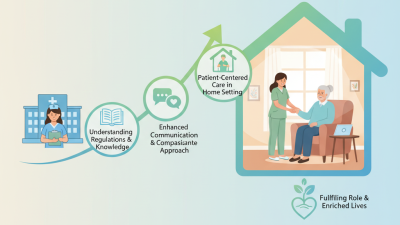
Nurse-to-home care is healthcare delivered in a person’s home by a qualified nurse. Instead of traveling to a clinic, the patient receives support beside a kitchen table or bedroom chair. During a visit, the nurse may check blood pressure or examine a healing wound. They may change dressings, administer prescribed treatment, or teach family members safe techniques. Each visit begins with an assessment. The nurse reviews symptoms, medicines, mobility, nutrition, and the home environment. This practical view matters. A loose rug or poorly placed walker can affect recovery as much as medical advice. The care plan should reflect the patient’s condition, goals, and professional guidance.

A nurse records observations, explains warning signs, and reports important changes to the authorized care team. Patients may need short-term help after surgery or continuing support for chronic conditions. Services depend on clinical need, local requirements, and the nurse’s qualifications. Home care is not an emergency service. Severe breathing trouble, chest pain, or sudden confusion requires immediate emergency help. The experience may be less perfect than expected. A visit can feel brief, and family routines may complicate treatment. Ask clear questions. What will happen today? Who should receive updates? How will progress be measured? Reliable care should protect dignity while helping patients manage more confidently.


Who Can Benefit From Nurse-to-Home Care?

Nurse-to-home care can help people who struggle to reach a clinic safely. It brings qualified nursing support into a familiar home environment. This option often benefits older adults, people recovering after surgery, and patients managing long-term conditions. Someone with diabetes may need help checking blood sugar and understanding medication routines. A person with limited mobility may need wound care, injections, or careful transfer support.

Patients recently discharged from hospital can also benefit. A nurse may check the incision, monitor symptoms, and explain warning signs to the patient and family. This can reduce confusion during the first days at home. People with heart or lung conditions may receive blood pressure checks, breathing assessments, and practical guidance. However, home nursing is not suitable for every situation. Severe symptoms still require urgent medical attention.

Care usually begins with an assessment of health needs, home safety, and available family support. The nurse may coordinate with a doctor, therapist, or other licensed professional. Services depend on local regulations, insurance rules, and the care plan. In real homes, conditions are rarely perfect. A narrow hallway, a tired caregiver, or missed medication can change the plan. Nurses must listen carefully and adjust their approach without making unsafe promises. Some patients may also need help learning simple routines, such as recording symptoms or preparing questions for a medical appointment.

How Is a Home Care Plan Created?

Nurse-to-home care begins with a detailed assessment, not a standard checklist. A qualified nurse reviews diagnoses, medications, mobility, nutrition, skin condition, and safety risks. The conversation also includes personal routines. Can the patient shower independently? Who notices confusion at night? These answers shape realistic goals.

The nurse then creates a written home care plan with the patient, family, and medical team. It may include wound care, blood pressure checks, fall prevention, therapy referrals, and medication education. The plan states who performs each task, how often, and when progress will be reviewed. The U.S. Centers for Disease Control and Prevention reports that six in ten adults have at least one chronic disease. Four in ten have two or more. That complexity requires coordination, especially after hospital discharge. The first plan is rarely perfect. Pain, fatigue, or an unsafe bathroom may change the priorities within days.

Tips: Bring a current medication list and recent hospital records. Show the nurse the actual bedroom, bathroom, and walking route. Ask for warning signs in plain language. According to the World Health Organization’s World Health Statistics 2024, one in six people worldwide will be aged 60 or older by 2030. Planning for changing needs matters. Write down questions. Recheck the plan after any fall, new symptom, or medication change.

What Happens During a Nursing Home Visit?

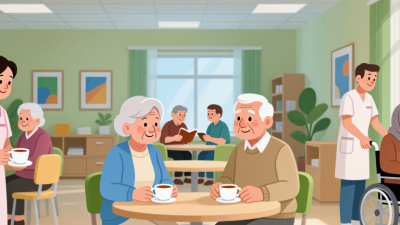
During a nursing home visit, a nurse brings clinical care into the resident’s familiar surroundings. The visit usually begins with a brief conversation about comfort, appetite, sleep, pain, and new concerns. The nurse checks vital signs, reviews medicines, and observes breathing, skin color, movement, and alertness. Details matter. A missed meal or sudden quietness may signal illness before a thermometer shows a change. With consent, the nurse may examine wounds, change dressings, assess mobility, or support catheter care. Hand hygiene and privacy remain part of every step.

The nurse also speaks with caregivers and, when appropriate, family members. They discuss the care plan in plain language, including warning signs and when to seek urgent help. Notes are recorded after the assessment, so other authorized professionals can follow the resident’s progress. Good communication is not just paperwork. It reduces confusion during shift changes.

A visit may feel routine, but residents do not always respond predictably. Fatigue, hearing loss, anxiety, or dementia can change the interaction. The nurse may pause, repeat a question, or return later if the resident becomes distressed. This is where practice meets humility. A care plan can be clinically sound and still need adjustment. Perhaps the visit was too rushed. Perhaps the room was noisy. Those details deserve reflection before the next visit.

How Are Progress and Ongoing Care Managed?

In nurse-to-home care, progress is tracked through regular visits, clear observations, and practical goals. A visiting nurse may check blood pressure, wound appearance, mobility, appetite, and medication routines. These details create a picture of daily recovery, not just a single appointment. Care notes record changes, concerns, and the patient’s response to treatment. The nurse then shares relevant updates with the authorized medical team and family caregivers. Communication should be timely and specific. “The wound looks better” is less useful than “redness decreased by two centimeters.” Small changes matter. They can reveal improvement or an early warning.

Ongoing care is adjusted as needs change. A patient recovering after surgery might begin with dressing support, then practice bathing safely and walking to the mailbox. The nurse reviews symptoms, explains warning signs, and checks whether instructions fit the home environment. Follow-up calls or visits help confirm that the plan is working between appointments. If pain increases, a fall occurs, or medication causes dizziness, the care team may reassess the schedule or request a clinician review. Patients and caregivers should ask questions and report changes honestly. Care plans are not perfect. A missed note, unclear instruction, or rushed visit can create risk. Regular review helps correct those gaps and keeps care connected to real life.

What Is Nurse to Home Care and How Does It Work? - How Are Progress and Ongoing Care Managed?

Care Stage Primary Purpose Typical Nursing Activities Progress Information Collected How Ongoing Care Is Managed Usual Status
1. Referral and Eligibility Review Confirm that home-based nursing is appropriate and identify the patient’s immediate needs. Review the referral, diagnoses, medications, functional limitations, home environment, and available caregiver support. Reason for referral, recent discharge information, current symptoms, mobility concerns, and known safety risks. The nurse coordinates with the prescribing clinician and other members of the care team before the first visit. Planned
2. Initial In-Home Assessment Establish a baseline and create an individualized care plan. Assess vital signs, pain, wounds, medication use, nutrition, mobility, cognition, activities of daily living, and home safety. Baseline measurements, patient goals, symptoms, risks, caregiver capacity, and required clinical interventions. The nurse documents findings and sets measurable goals, visit frequency, education needs, and escalation instructions. Active
3. Care Plan Development Define what will be done, by whom, and how improvement will be measured. Plan services such as wound care, injections, medication teaching, catheter care, disease monitoring, and rehabilitation support. Target outcomes, baseline scores or readings, expected time frames, treatment schedules, and patient preferences. The care plan is shared with the patient, caregivers, and relevant clinicians and is updated when the patient’s condition changes. Under Review
4. Skilled Nursing Visits Deliver clinical care and support safe recovery at home. Perform ordered treatments, monitor symptoms, reconcile medications, reinforce self-care techniques, and assess adherence. Vital signs, symptom changes, wound appearance, medication issues, functional ability, and response to treatment. Each visit is documented. The nurse compares current findings with the baseline and care-plan targets. Active
5. Patient and Caregiver Education Help the patient and caregiver safely manage care between visits. Explain medications, warning signs, infection prevention, equipment use, nutrition, fall prevention, and follow-up requirements. Teach-back results, questions asked, observed technique, confidence level, and barriers to following the plan. Education is repeated or adapted when the patient has difficulty understanding or performing a task safely. Active
6. Progress Monitoring Determine whether the patient is improving, stable, or developing new risks. Trend clinical observations, review home records, evaluate functional progress, and check whether goals remain appropriate. Changes in symptoms, vital signs, wound healing, pain, mobility, medication adherence, emergency visits, and hospital readmissions. The nurse communicates significant findings to the responsible clinician and recommends changes when clinically indicated. Regular Review
7. Care Plan Revision Keep services aligned with the patient’s current condition and goals. Adjust visit frequency, treatment techniques, education, referrals, equipment needs, or patient goals as appropriate. Updated assessment findings, newly identified risks, response to interventions, and progress toward measurable outcomes. Changes are documented and communicated to the patient, caregivers, clinicians, and other authorized care providers. Updated as Needed
8. Escalation of Concerns Respond promptly when symptoms or measurements suggest deterioration. Recognize warning signs, contact the responsible clinician, arrange urgent evaluation, or activate emergency services when necessary. Severity and timing of symptoms, abnormal measurements, mental-status changes, falls, medication reactions, or inability to cope at home. Escalation procedures follow the patient’s care plan and local clinical protocols. Emergency symptoms require emergency medical help. Escalate Promptly
9. Interdisciplinary Coordination Ensure that medical, nursing, therapy, social, and support needs are addressed together. Exchange relevant updates with clinicians, pharmacists, therapists, social workers, caregivers, and community services. Shared goals, unresolved barriers, changes in treatment, equipment needs, and progress reported by each discipline. Authorized team members use coordinated documentation and communication to reduce duplicated or conflicting instructions. Ongoing
10. Discharge or Transition End skilled home nursing safely when goals are met or transfer care appropriately. Confirm stability, review medications and warning signs, provide written instructions, and arrange follow-up care. Goal achievement, self-management ability, caregiver readiness, remaining risks, and scheduled follow-up appointments. The patient may transition to self-management, routine outpatient care, community support, or another level of care. Transition

Care frequency and clinical tasks vary according to the patient’s condition, clinician orders, safety needs, and applicable local regulations. Urgent or life-threatening symptoms require emergency medical assistance.