How to Transition from Nurse to Home Care Profession Successfully
Transitioning from a traditional nursing role to the home care profession can be a rewarding pathway for many healthcare professionals. As the demand for personalized and compassionate care continues to rise, nurses are uniquely positioned to leverage their skills and experience in a home care setting. This shift, often referred to as the journey from "nurse to home care," enables practitioners to forge deeper connections with patients, providing tailored support in the comfort of their own homes.
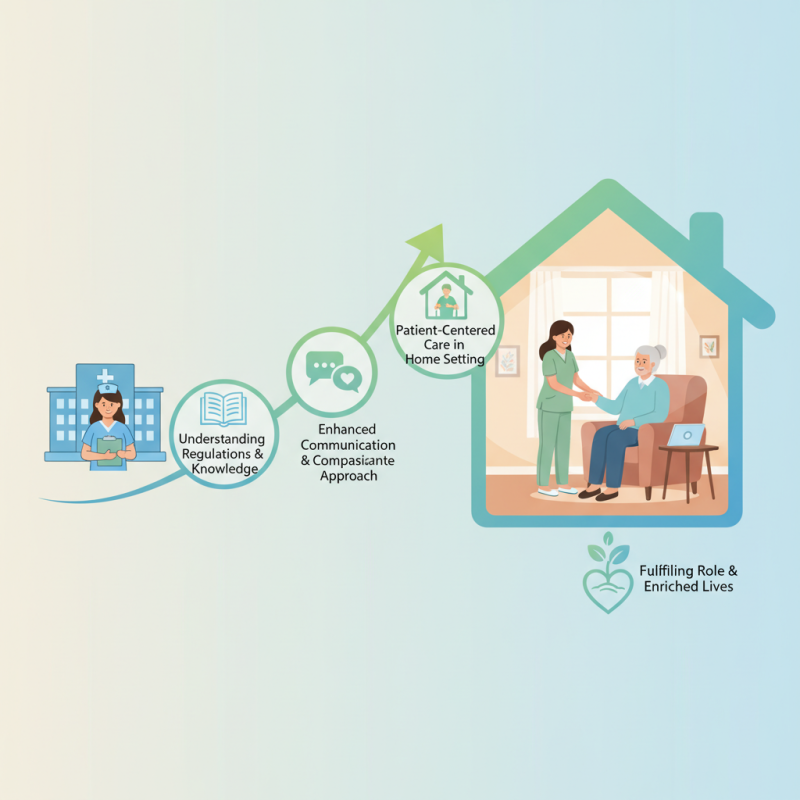
In this evolving landscape, it is essential for nurses to equip themselves with the necessary tools and knowledge to navigate the transition effectively. This includes understanding the nuances of home care regulations, enhancing communication skills, and cultivating a patient-centered approach that prioritizes individual needs. By embracing the unique challenges and opportunities that home care presents, nurses can make a significant impact on their patients' lives, ensuring they receive the highest quality of care outside of clinical environments.
Whether you are a seasoned nurse or someone contemplating this career shift, the pathway from "nurse to home care" offers the chance to reimagine your professional journey. With the right guidance and preparation, you can successfully transition into a fulfilling role within this vital sector of healthcare, ultimately enriching both your career and the lives of those you serve.
Transitioning from Nursing to Home Care: Understanding the Role Shift
Transitioning from nursing to home care can be a transformative experience that presents unique challenges and opportunities. Unlike the fast-paced environment of hospitals, home care allows nurses to develop deeper relationships with patients in a more personal setting. This shift requires an adaptation to a less structured environment where nurses must prioritize not only clinical skills but also communication and empathy. To successfully navigate this transition, it is essential to understand the nuances of home care responsibilities, which often include not only medical tasks but also emotional support and daily living assistance.
In home care, nurses typically work autonomously, providing care in a variety of situations that demand critical thinking and adaptability. This role often involves coordinating with family members and other caregivers, which requires strong interpersonal skills and the ability to educate non-medical staff about patient needs. Building trust and rapport is crucial, as nurses become integral parts of the patients' lives. Therefore, embracing a holistic approach to care that encompasses physical, emotional, and social elements is key to ensuring both patient satisfaction and successful outcomes in this rewarding field.
Transitioning from Nursing to Home Care: Understanding the Role Shift
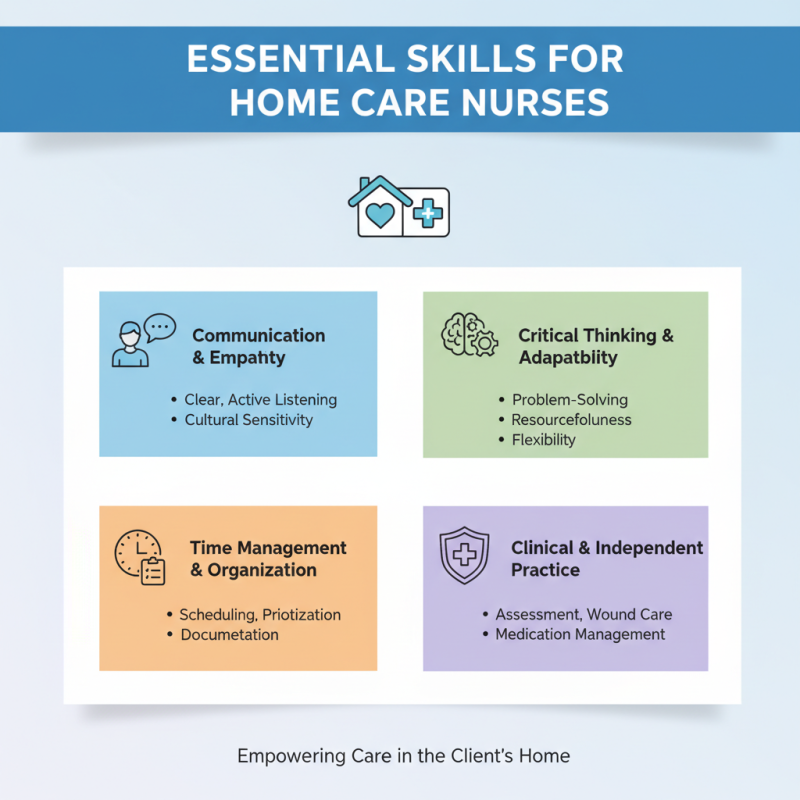
Essential Skills Nurses Need to Succeed in Home Care Settings
Transitioning from a traditional nursing role to a home care profession can be both rewarding and challenging. To succeed in home care settings, nurses must hone a specific set of essential skills that enhance their ability to provide compassionate and effective care in a client's home environment.
First and foremost, exceptional communication skills are crucial. Home care professionals often work independently and must maintain clear and accurate communication with clients, families, and interdisciplinary teams. This includes not only verbal communication but also active listening, which helps in understanding the needs and preferences of clients. **Tip:** Practice active listening by repeating back what clients say to ensure clarity and understanding.
Another vital skill is adaptability. Home care settings vary significantly from one client to another, requiring nurses to quickly adjust to different circumstances, environments, and care plans. Being flexible and open to changing routines will help nurses meet the unique needs of each client. **Tip:** Create a checklist of common scenarios you may encounter and outline potential responses or actions to take in each situation. This will prepare you for unexpected changes in client conditions or needs.
Lastly, strong organizational skills are essential to manage time effectively and handle multiple clients with varying health concerns. Nurses should be proactive in planning their schedules and documenting care accurately. **Tip:** Use a digital planner to organize your daily tasks and set reminders for follow-ups, ensuring that care delivery remains consistent and responsive.
Key Certifications for Nurses Transitioning to Home Care Professionals
Transitioning from a nursing position to a home care professional role can be a fulfilling career move, allowing for a more personalized approach to patient care. However, it is crucial to equip yourself with the right certifications that enhance your skills and make you stand out in this competitive field. Key certifications to consider include the Certified Home Care and Hospice Administrator (CHHSA) and the Home Care Nurse certification. These credentials not only validate your commitment but also provide you with essential knowledge about managing care in a home setting.
Tips: Focus on obtaining certifications that align with your career goals. Research requirements and courses thoroughly to ensure you are well-prepared. Networking with professionals in the home care sector can also provide insights and mentorship opportunities, which are invaluable during your transition.
Additionally, consider obtaining specialized training in areas such as wound care management or chronic disease management. This not only broadens your expertise but also enhances your ability to cater to the diverse needs of home care patients. Staying updated on best practices and emerging trends in home healthcare is key to maintaining a competitive edge.
Tips: Joining professional organizations related to home care can provide access to resources, continuing education, and networking opportunities, all of which are beneficial as you make this transition.
Market Demand: Growth Trends in Home Care Services for Nurses
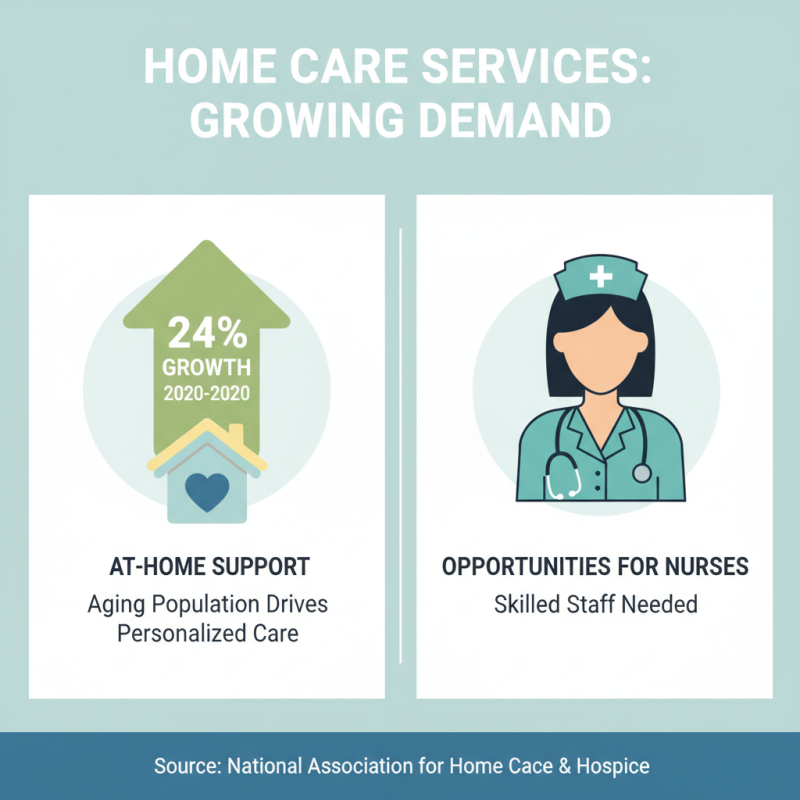
The demand for home care services is witnessing remarkable growth, driven by an aging population and a shift in healthcare preferences towards more personalized, at-home support. According to a report from the National Association for Home Care & Hospice, the home care industry is expected to grow by approximately 24% from 2020 to 2030, reflecting the increasing recognition of the benefits of receiving care in a familiar setting. Nurses transitioning into the home care sector can capitalize on this trend, as the necessity for skilled nursing staff in home environments surges.
Moreover, the U.S. Bureau of Labor Statistics projects that the employment of home health aides will grow by 33% over the next decade, which is significantly faster than the average for all occupations. This growth indicates a clear market trend that underscores the need for qualified healthcare professionals, especially nurses who possess clinical expertise and compassionate care skills. By aligning their nursing skills with the needs of the home care sector, nurses can position themselves advantageously in a field that offers not only job security but also the opportunity to make a meaningful impact on patients' lives.
Building Patient Relationships: Strategies for Home Care Success
Building strong patient relationships is pivotal for success in the home care profession. Unlike traditional nursing roles, home care requires a deeper level of trust and rapport between caregivers and patients, often in the intimacy of their own homes. One effective strategy is active listening, which involves not only hearing what patients say but also understanding their emotions and concerns. By giving patients a platform to express themselves, caregivers can tailor their approach to meet individual needs, fostering a sense of security and companionship.
Additionally, consistency in care can significantly enhance patient relationships. When caregivers regularly visit the same patients, they can build a rapport that goes beyond basic health care. This consistency allows caregivers to understand their patients' routines, preferences, and unique personalities, creating a more personalized care experience. Sharing small moments, like discussing family or hobbies, can transform clinical interactions into meaningful conversations, making the patient feel valued and understood. By being present and attentive, caregivers can turn their role into one that not only addresses health concerns but also enriches the patient’s quality of life.
How to Transition from Nurse to Home Care Profession Successfully - Building Patient Relationships: Strategies for Home Care Success
| Strategy |
Description |
Benefits |
| Effective Communication |
Utilize clear and compassionate language to make patients feel comfortable. |
Improves trust and rapport with patients. |
| Active Listening |
Pay attention to what the patient says to understand their needs better. |
Fosters a stronger connection between caregiver and patient. |
| Personalized Care Plans |
Develop unique care plans tailored to individual patient needs. |
Enhances patient satisfaction and quality of care. |
| Regular Follow-ups |
Schedule consistent check-ins to monitor patient progress. |
Ensures continuity of care and shows patient that their well-being is prioritized. |
| Building Trust |
Create a safe environment where patients feel valued and respected. |
Encourages openness and honesty in discussions about health. |