Top 5 Benefits of Live in Home Care for Seniors
In today's world, many seniors face unique challenges as they age. Live in home care has emerged as a preferred solution for these difficulties. This type of care allows seniors to receive support in the comfort of their own homes. It promotes independence while ensuring safety and well-being.
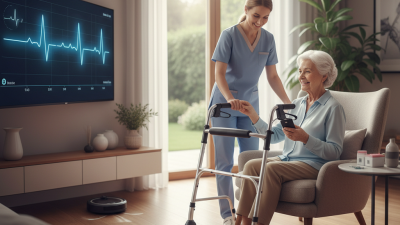
Choosing live in home care means selecting personalized assistance tailored to individual needs. Trained caregivers provide companionship, help with daily tasks, and offer medical support when necessary. This holistic approach not only enhances the quality of life but also fosters emotional well-being. The connection between caregiver and senior can lead to a fulfilling daily routine.
However, it is essential to consider the nuances involved in live in home care. Each senior's preferences and health conditions differ. While many benefit from this type of care, some may struggle with the adjustment. Understanding these aspects can lead to a more successful caregiving experience, ultimately improving the lives of those involved.

Understanding Live-in Home Care: An Overview for Seniors
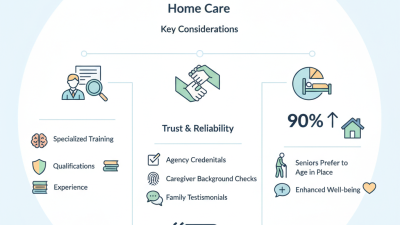
Live-in home care provides essential support for seniors, allowing them to age comfortably in their homes. This arrangement often includes assistance with daily activities like bathing, meal preparation, and medication management. A study by the AARP highlights that 90% of seniors prefer to remain in their homes as they age. This desire underscores the importance of tailored care solutions that meet individual needs.
Quality of life significantly improves with live-in care. According to the National Institute on Aging, seniors receiving personalized care are less prone to depression and isolation. Caregivers help maintain routines while offering companionship. This human connection is invaluable, enhancing emotional well-being. Care strategies can often be adapted, but they require continuous evaluation and adjustment for optimum results.
However, the transition to live-in care isn't always seamless. Some seniors may struggle with the change. They might feel a loss of independence or privacy. Frequent communication is key to addressing these feelings. Engaging seniors in decisions about their care can foster a sense of control. Recognizing these challenges is essential for caregivers and families alike.
Enhancing Independence and Comfort in Familiar Surroundings
Many seniors prefer to age in place. This desire is fueled by the comfort of familiar surroundings.
Live-in home care supports this choice, promoting independence. In fact, a 2022 AARP report found that 77% of older adults want to remain in their homes. The warmth of home can be very reassuring.
Personalized care is a significant benefit. Caregivers provide assistance tailored to individual needs. This could include help with daily tasks like cooking or bathing. The National Institute on Aging states that people often recover better at home. This setting fosters emotional well-being, reducing feelings of anxiety.
However, not all families can adapt to live-in care seamlessly. It requires adjusting routines and roles. Conflicts may arise regarding care decisions. Communication between family members is crucial in these situations. Reflecting on these dynamics helps families navigate challenges. A well-coordinated effort can enhance the home care experience.
Personalized Care Plans: Tailoring Support to Individual Needs
Live in home care for seniors is increasingly gaining attention due to its personalized approach. One of the key benefits is the creation of tailored care plans. These plans consider each individual’s unique needs and preferences. According to a recent survey, over 75% of families reported improved well-being in seniors receiving customized home care.
Personalized care plans enable caregivers to focus on specific health conditions, routines, and emotional support. For instance, if a senior prefers morning walks, caregivers can schedule their day accordingly. This focus can lead to enhanced physical health and mental well-being. Studies show that personalized care can reduce hospital readmissions by up to 30%.
**Tip:** Communicate openly with caregivers about your loved one’s preferences. This helps in curating a plan that truly resonates with their lifestyle.
Another advantage of live in home care is the one-on-one interaction. Seniors often experience boredom and loneliness. Personalized care plans address this by incorporating social activities based on interests. However, not every caregiver may be a perfect fit. It's essential to monitor the caregiver-senior relationship and make adjustments when necessary.
**Tip:** Regularly check in with both the caregiver and your loved one about their experience. This can ensure the plan remains effective and satisfying.
Top 5 Benefits of Live in Home Care for Seniors
Social Interaction and Emotional Support through Live-in Care
Live-in care offers seniors invaluable social interaction. Isolation can be detrimental to their mental health. A live-in caregiver provides companionship, reducing feelings of loneliness. This support fosters a sense of belonging. Caregivers engage in conversations, participate in activities, and offer emotional reassurance.
Moreover, caregivers can help seniors maintain connections with family and friends. They can facilitate video calls or in-person visits. This connection to loved ones enhances their emotional well-being. Sometimes, however, caregivers may feel overwhelmed. They can struggle to balance their duties with personal needs. Identifying these challenges is essential.
In addition, live-in caregivers can inspire seniors to pursue hobbies and interests. Engaging in arts and crafts can stimulate creativity and joy. If a caregiver understands a senior's passions, they can tailor activities accordingly. This personalized approach can make a significant difference. Yet, like any relationship, it requires effort and patience.
Cost-Effectiveness of Live-in Care Compared to Other Options
Live-in home care offers a compelling alternative for seniors, especially when comparing costs. Research indicates that hiring a full-time caregiver can save families significantly. According to the Genworth Cost of Care Survey, the national average for a nursing home can exceed $100,000 annually. In contrast, live-in care often costs between $50,000 and $80,000 yearly, depending on location and specific needs.
Seniors might need more than just basic assistance. Live-in caregivers provide a range of services, from companionship to medical support. A National Institute on Aging report points out that these services improve not only emotional well-being but also physical health. This holistic approach can reduce hospital visits, which are costly and stressful. Yet, potential drawbacks exist. Some families may struggle with the emotional implications of having a caregiver live in their home. Challenges may arise as seniors adjust to a new presence in their daily lives.
Choosing live-in care can be cost-effective, but financial considerations are not the only factors. Families must weigh the emotional impact on the senior and the caregiver. Communication, transparency, and mutual respect are vital. Balancing cost savings with these soft factors is critical for many families considering this option for their loved ones.