What is Home Care and Why is it Important?
Home care refers to a variety of services that allow individuals to live independently in their own homes. This concept is crucial for many families and elderly individuals. It provides essential support, enhancing their quality of life. The home care environment can be filled with warmth and familiarity. However, not all experiences are perfect.
Clients may face challenges in finding the right caregivers. Trust plays a significant role. Families often worry about safety. They want to ensure their loved ones receive the best care possible. This anxiety can sometimes cloud their judgment. Moreover, navigating the different types of home care services can be overwhelming. Each need varies, and so does the level of care required.
Despite these hurdles, the home care system offers immense benefits. It fosters independence and creates a strong bond among family members. Caregivers can provide personalized assistance tailored to individual needs. This adaptability is what makes home care so vital. However, continuous improvement is necessary to bridge existing gaps in the system.

What is Home Care?
Home care is a support system that enables individuals to receive care in their own homes. This can include medical assistance, personal care, and companionship. Many people choose home care to maintain independence. It offers a familiar environment, which can be comforting during times of illness or recovery. The surroundings help reduce stress and promote healing.
Home care can also address various needs. For instance, seniors might require help with daily activities like bathing or cooking. Those recovering from surgery may need physical therapy right at home. It's important to personalize home care to fit each individual’s requirements. However, not all providers offer the same level of care. It is crucial to research and find a caregiver who is a good match. Mistakes can happen if haste is involved in the decision-making process.
For families, deciding on home care can evoke many emotions. The thought of bringing someone into a loved one's space can feel overwhelming. Trust is essential. Reflecting on the choice is important. Caregiving can be a challenging experience. Communication between caregivers and families can sometimes break down. This requires constant adjustment and openness for improvement.
Types of Home Care Services Available
Home care services offer essential support for individuals needing assistance. Many types of services are available. Personal care is one option. This includes help with daily tasks like bathing or dressing. It empowers individuals to maintain independence in their homes.
Another type of service is companion care. This offers social interaction and helps reduce loneliness. Caregivers can engage in conversations, play games, or simply provide a listening ear. These moments are crucial for emotional well-being.
Home health care is also significant. Skilled professionals may provide medical support in the comfort of a home. This can include physical therapy or nursing services. Such assistance can lead to better recovery outcomes. However, challenges exist. Finding the right provider can be difficult and time-consuming. Families must invest time and effort in this process. Balancing care needs with personal life can create stress. Reflection on these challenges can lead to better support strategies.
Types of Home Care Services Available
Benefits of Home Care for Patients and Families
Home care offers numerous benefits for patients and families. It allows individuals to receive personalized care in familiar surroundings. This comfort can enhance recovery and improve overall well-being. Families can spend quality time together, which is often missed in hospital settings. Home care fosters a sense of normalcy, allowing patients to engage in daily activities.
Patients benefit from individualized care plans tailored to their specific needs. Skilled caregivers can assist with medications, therapy, and personal hygiene. This support can reduce anxiety for patients and their families alike. However, it requires open communication and trust between caregivers and families. Sometimes, families struggle to adjust to changes in their loved ones’ health, which can be challenging.
Not every experience may go smoothly. There can be misunderstandings and varying expectations regarding care. Some caregivers might not align perfectly with family preferences. It’s essential to address these issues openly. Regular check-ins can promote better understanding. Families should feel empowered to share concerns and seek adjustments. This collaboration can make a significant difference in the quality of care.
What is Home Care and Why is it Important? - Benefits of Home Care for Patients and Families
| Benefit |
Description |
Impact on Patients |
Impact on Families |
| Personalized Care |
Home care provides tailored services to meet individual needs. |
Enhances comfort and satisfaction. |
Reduces caregiver burden. |
| Familiar Environment |
Care is delivered in the patient’s home, a place they are comfortable in. |
Promotes emotional well-being. |
Less stress for family members. |
| Flexible Scheduling |
Services can be scheduled to fit the family's timetable. |
Allows for better management of health issues at home. |
Accommodates family’s needs and schedules. |
| Cost-Effectiveness |
Often more affordable than hospital stays or long-term care facilities. |
Supports access to necessary care without high costs. |
Reduces financial strain on families. |
| Health Monitoring |
Professionals can regularly monitor changes in health status. |
Facilitates early intervention and better health outcomes. |
Gives families peace of mind regarding care. |
Challenges and Considerations in Home Care
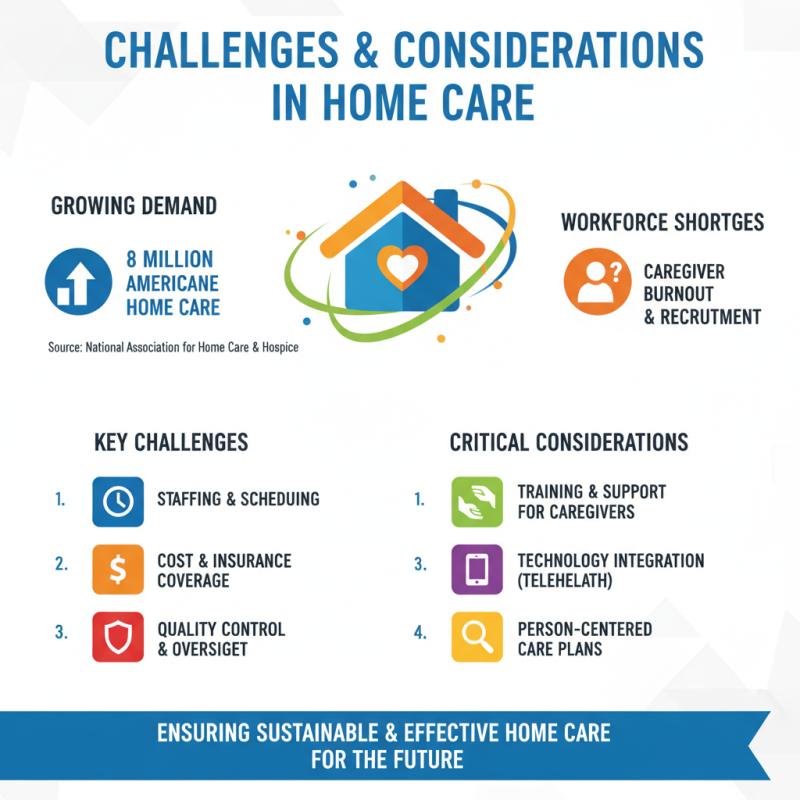
Home care plays a vital role in assisting individuals who need support due to illness, disability, or aging. However, there are significant challenges and considerations in this field. According to a report by the National Association for Home Care & Hospice, about 8 million people in the U.S. receive home health care today. This growing demand creates pressure on caregivers and the system itself.
One major challenge is the shortage of skilled caregivers. Many states report significant gaps in workforce availability. For instance, a study by the Home Care Association revealed that over 60% of agencies found it hard to hire qualified staff. This shortage affects the quality of care. It often leads to burnout among existing caregivers, which can compromise patient safety.
Tip: To improve caregiver retention, agencies should consider offering flexible schedules and competitive wages.
Another pressing issue involves safety concerns. With elderly or disabled individuals at home, falls and accidents can occur. A staggering 30% of adults aged 65 and older fall each year, highlighting the need for home modifications and consistent monitoring.
Tip: Consider implementing safety protocols, like installing grab bars and ensuring adequate lighting, to minimize risks.
Navigating these challenges requires effort and reflection. Each home care situation is unique and may require tailored solutions for effective caregiving.
The Future of Home Care and Its Growing Importance
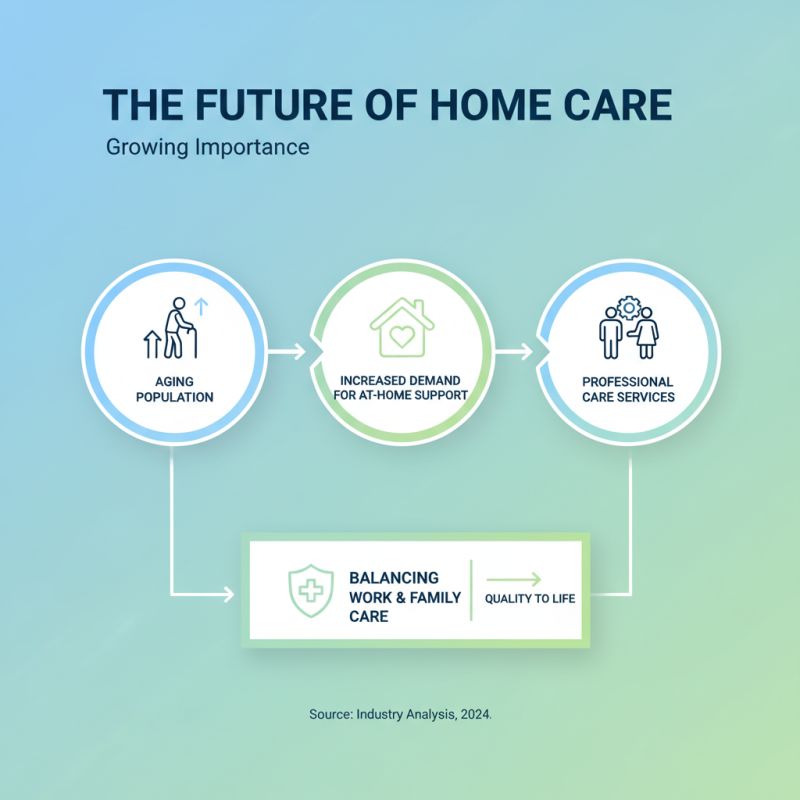
The future of home care is evolving rapidly. As our population ages, more people need assistance at home. This demand drives the growth of home care services. Many families find it challenging to balance work and caregiving. They seek professional help to ensure their loved ones receive proper care.
Home care provides personalized support. Services can include meal preparation, medication reminders, and companionship. Patients often feel more comfortable at home rather than in a facility. However, the quality of care varies. Not all home care providers meet high standards. Families must be vigilant in choosing the right service for their needs.
Societal attitudes toward aging are changing. There is a growing acknowledgment of the importance of home care in maintaining independence. Yet, many people still overlook this option. Accessibility and affordability remain significant hurdles. It's crucial for communities to address these issues and support home care development. The need for better awareness and resources is apparent.