Why Home Care Services are Essential for Seniors and Their Families
As the population ages, the need for supportive services becomes increasingly critical for seniors and their families. The home care industry has emerged as a vital resource, providing essential assistance that allows older adults to maintain their independence while receiving the necessary care in the comfort of their homes. Home care services encompass a wide range of support, from personal care and companionship to medical assistance and rehabilitation services, all tailored to meet the unique needs of seniors.
The significance of the home care cannot be overstated, as it not only alleviates the burden on family caregivers but also enhances the quality of life for seniors. Families often find themselves juggling multiple responsibilities, making it challenging to provide the level of care their loved ones require. By utilizing professional home care services, families can ensure that their elderly relatives receive personalized and compassionate care, while also gaining peace of mind knowing that their safety and well-being are prioritized. In this way, the home care model fosters a supportive environment that respects seniors' wishes to age in place, ultimately benefiting both the individuals receiving care and their family members.

Understanding Home Care Services: An Overview for Seniors and Families
Home care services play a crucial role in enhancing the quality of life for seniors and providing essential support for their families. According to the National Association for Home Care & Hospice (NAHC), approximately 12 million Americans receive home care services, reflecting a growing trend towards aging in place. These services range from personal care assistance to skilled nursing, catering to a wide array of health needs and preferences. This flexibility allows seniors to maintain their independence while receiving the necessary support to manage chronic conditions or recover from illness.
Understanding the spectrum of home care services is vital for families navigating care options for their loved ones. The 2021 Home Care Benchmarking Study reveals that 91% of home care agencies provide personal care, while 66% offer companion services. These statistics highlight the comprehensive nature of services available, empowering families to select suitable care plans tailored to their specific needs.
Furthermore, studies show that seniors receiving home care have lower hospital readmission rates and improved overall health outcomes, reinforcing the importance of such services in promoting a healthier, more fulfilling lifestyle at home.
The Importance of Home Care Services for Seniors' Well-Being
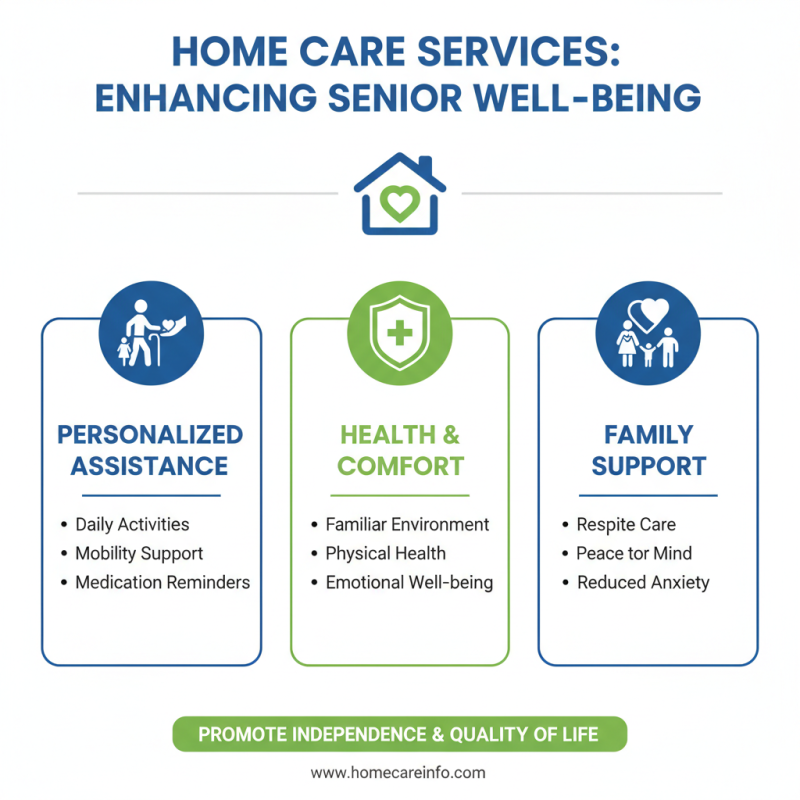
Home care services play a crucial role in enhancing the well-being of seniors and provide essential support for their families. As individuals age, many face challenges related to mobility, health, and daily activities. Home care aids in addressing these issues by offering personalized assistance in a familiar environment, promoting both physical and emotional health. Seniors are more likely to feel secure and comfortable in their homes, which can significantly reduce anxiety and enhance their overall quality of life.
Moreover, the importance of home care services extends to the families of seniors. Caregiving can be a demanding and stressful responsibility, often leading to burnout among family members. By enlisting professional home care services, families can alleviate the strain of daily caregiving duties, allowing them to focus on spending quality time with their loved ones. This support system not only ensures that seniors receive the care they require but also fosters healthier family dynamics, promoting both the emotional and mental well-being of everyone involved.
Key Benefits of Home Care for Seniors and Their Families
Home care services play a vital role in enhancing the quality of life for seniors and their families. One of the key benefits is the ability to receive personalized care in a familiar environment, which has been shown to significantly reduce stress and anxiety among older adults. According to a report by the AARP, 87% of older adults prefer to age in place, underscoring the necessity of home care services that allow them to maintain their independence while receiving necessary support.
Moreover, home care services are often more cost-effective compared to institutional care options. The Genworth Cost of Care Survey indicates that the average annual cost for a private room in a nursing home is over $100,000, while home care services typically range around $54,000 annually for full-time care. This financial aspect is crucial for families looking to provide quality care without breaking the bank. Additionally, home care allows family members to play an active role in their loved ones’ care, which strengthens familial bonds and provides emotional support, contributing positively to the overall well-being of seniors.
Types of Home Care Services Available for Elderly Individuals
Home care services play a vital role in providing support to elderly individuals, ensuring their safety and enhancing their quality of life. One of the most common types of home care is personal care assistance, which includes help with daily activities such as bathing, dressing, and meal preparation. This type of service is tailored to meet the unique needs of seniors, allowing them to maintain their dignity while receiving the help they require.
Another essential type of home care service is companionship care. Professionals in this field provide social interaction, emotional support, and engaging activities that combat loneliness and promote mental well-being. Additionally, skilled nursing care is available for seniors with more complex health needs, offering medical assistance, medication administration, and monitoring of chronic conditions. Together, these services create a comprehensive support system that enables elderly individuals to live more independently and comfortably in their own homes.
How Home Care Supports Family Caregivers and Promotes Peace of Mind
Home care services play a crucial role in supporting family caregivers, who often face immense emotional and physical challenges. According to the AARP, over 53 million Americans provide unpaid care to family members, a number that has been steadily rising with an aging population. This caregiving responsibility can lead to significant stress, with nearly 40% of caregivers reporting high levels of emotional strain, which can ultimately affect their health and well-being.
Home care services offer invaluable assistance to alleviate some of these pressures. By providing professional support with daily activities such as bathing, cooking, and medication management, home care services not only help seniors maintain their independence but also allow family caregivers to focus on their own needs and responsibilities. A study from the National Alliance for Caregiving found that receiving such support can significantly improve caregivers' quality of life, providing them with peace of mind that their loved ones are in capable hands while fostering a healthier dynamic in family relationships. With the right home care, families can enjoy more quality time together, free from the burdens of caregiving tasks.
Why Home Care Services are Essential for Seniors and Their Families