2025 How to Choose the Best Home Health Care Services for Your Needs
Choosing the right home health care services is a crucial decision that can significantly impact the quality of life for both patients and their families. According to Dr. Emily Carter, a leading expert in the home health care industry, “Selecting the appropriate home health care service can make all the difference in the recovery and comfort of patients at home.” With an increasing number of aging individuals and those living with chronic illnesses, the demand for professional home health care continues to rise, emphasizing the need for informed choices.
In this evolving landscape, understanding your specific needs is vital to ensure you receive tailored support that enhances your well-being. Home health care encompasses a wide range of services, from skilled nursing to personal care, and finding the right fit involves assessing factors such as the qualifications of caregivers, the types of services offered, and the overall reputation of the agency. Careful consideration of these elements can lead to a more empowered and satisfying experience for patients at home, allowing them to focus on their health and recovery.

Understanding Home Health Care Services: An Overview
Home health care services have become an essential component of the healthcare system, providing patients with personalized medical attention within the comfort of their own homes. According to the National Association for Home Care and Hospice, approximately 5 million people in the United States utilize home health care services each year, underscoring its critical role in the health care continuum. Home health care encompasses a wide range of services, including skilled nursing care, physical therapy, and assistance with daily living activities, allowing individuals with chronic illnesses or recovering from surgeries to receive comprehensive care tailored to their individual needs.
Understanding the scope of home health care services is key to selecting the right provider. The services generally fall into two categories: skilled services, which are typically provided by licensed professionals, and non-skilled personal care services, which may include assistance with daily activities like bathing and meal preparation. The U.S. Bureau of Labor Statistics projects a significant increase in demand for home health aides, with job growth expected to rise by 33% from 2020 to 2030, driven largely by an aging population and a growing preference for home-based care. This data signals the importance of assessing options carefully to ensure quality and compatibility with specific health needs.
2025 How to Choose the Best Home Health Care Services for Your Needs - Understanding Home Health Care Services: An Overview
| Service Type |
Key Features |
Price Range |
Availability |
| Personal Care |
Assistance with daily living activities |
$20 - $40 per hour |
24/7 availability |
| Nursing Care |
Medical monitoring and treatment |
$50 - $100 per hour |
Weekdays and weekends |
| Physical Therapy |
Rehabilitation exercises and strategies |
$80 - $150 per session |
Appointments as needed |
| Occupational Therapy |
Help with daily activities and skills |
$75 - $130 per session |
Scheduled as needed |
| Speech Therapy |
Communication and swallowing disorders |
$70 - $120 per session |
As per client needs |
Assessing Your Health Care Needs: Key Considerations
When considering home health care services, the first step is to assess your specific health care needs. This involves a thorough understanding of your medical condition, including any chronic illnesses, disabilities, or post-operative recovery requirements. You should evaluate the level of medical assistance needed, whether it be skilled nursing care, physical therapy, or assistance with daily activities such as bathing and meal preparation. Engaging with your healthcare provider can help pinpoint the services most suitable for your situation, ensuring that your home care plan aligns with your health goals.
Another key consideration is the level of support you may require from caregivers. Different individuals have varying preferences for interaction, from requiring companionship to more intensive care. Determine whether you would benefit more from a caregiver who offers emotional support and companionship or one who can perform specialized medical interventions. Additionally, consider logistical factors such as the caregiver's experience and qualifications, flexibility in scheduling, and compatibility with your home environment. By carefully evaluating these aspects, you can make informed decisions that enhance your quality of life and provide the necessary support in the comfort of your own home.
Evaluating the Quality of Home Health Care Providers
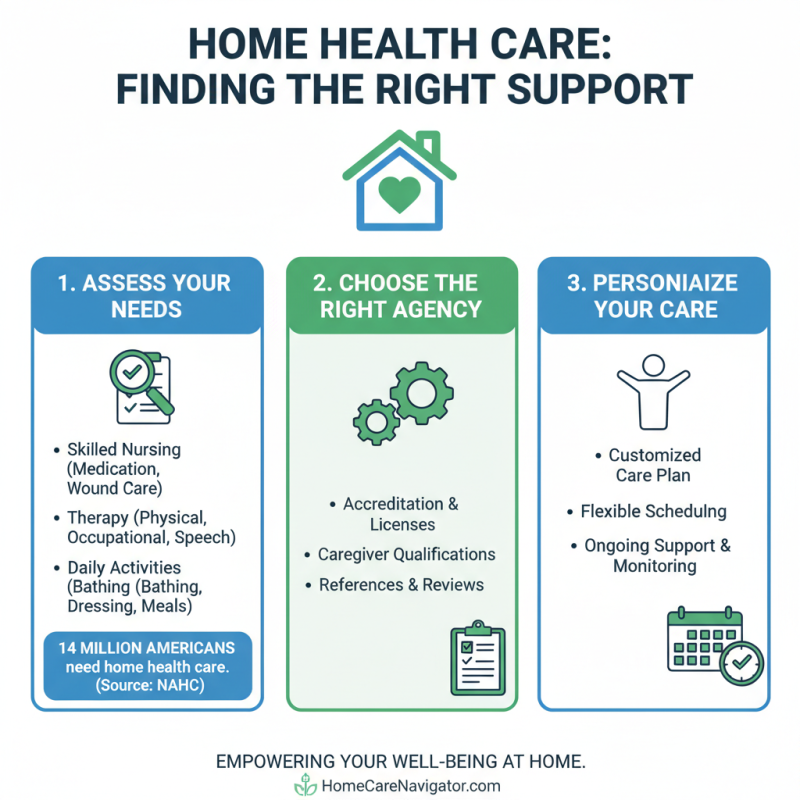
When selecting home health care services, evaluating the quality of providers is paramount. According to the National Association for Home Care & Hospice (NAHC), approximately 14 million individuals receive home care in the United States, and this number is expected to rise as the population ages. Quality indicators, such as patient satisfaction scores and the frequency of hospital readmissions, play a crucial role in assessing the effectiveness of care provided. The Centers for Medicare & Medicaid Services (CMS) offers a Home Health Compare tool, which allows families to review quality metrics for local providers, highlighting the importance of transparency in the industry.
In addition to quantitative metrics, qualitative aspects should not be overlooked. The quality of home health care also depends on the training and experience of the caregivers involved. According to a report by the Home Care Association of America, well-trained staff can significantly enhance patient outcomes, emphasizing the need for providers to invest in ongoing education and support for their teams. Families should inquire about staff qualifications, training programs, and the caregiver-to-patient ratio to ensure that their loved ones receive personalized and attentive care. By focusing on these critical factors, families can make informed choices that align with their unique health care needs.
Comparing Costs and Insurance Options for Home Health Care
When considering home health care services, understanding costs and insurance options is crucial for making an informed decision. According to the Genworth 2020 Cost of Care Survey, the median cost for home health aide services in the U.S. is approximately $24 per hour, while the cost for a home maker, which focuses more on personal care than medical needs, averages around $23 per hour. These expenses can quickly add up, especially for long-term care, making it imperative to analyze how they fit into your budget and financial planning.
Insurance coverage plays a significant role in determining out-of-pocket costs for home health care services. While Medicare provides limited coverage for home health care, specifically for skilled nursing and therapy services, many individuals are often unaware of their options. A report from the National Association for Home Care & Hospice indicates that approximately only 28% of adults realize that their long-term care insurance may cover some of the costs associated with home care services. Additionally, Medicaid can offer support for low-income individuals but often varies by state, which further complicates the decision-making process. Therefore, it's essential to review your insurance policy closely and consult with a financial advisor or insurance expert to explore all potential financial assistance options available for home health care needs.
Finding the Right Home Health Care Agency for Your Situation
When seeking home health care services, it’s essential to start by assessing your specific needs. According to the National Association for Home Care & Hospice, approximately 14 million individuals in the U.S. require some form of home health care support, ranging from skilled nursing and rehabilitation to assistance with daily activities. Understanding your requirements will help narrow down the options available and ensure that the agency you choose can cater specifically to your situation.
Next, research various home health care agencies in your area by reviewing their qualifications, services offered, and reputation. The Centers for Medicare & Medicaid Services (CMS) provide valuable data indicating that agencies with higher star ratings typically deliver better care outcomes. A study published by the Journal of the American Medical Association found that patients receiving care from agencies with superior ratings experience fewer hospital readmissions and enhanced overall satisfaction. Look for agencies that are both licensed and accredited, and consider scheduling interviews with potential providers to gauge their compatibility with your care expectations and preferences.