Why Choose Live in Home Care for Elderly Support?
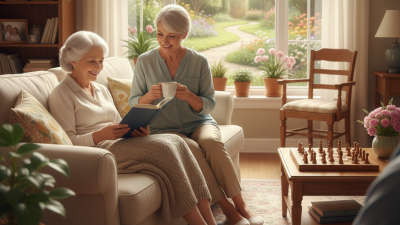
Choosing the right support for elderly loved ones is pivotal. "Live in home care" brings essential companionship and tailored assistance to seniors. This service allows them to remain in familiar surroundings. Aging at home can enhance comfort and stability.
Many families cite concerns about loneliness as critical. By opting for live in home care, seniors enjoy continuous support. Caregivers provide not just assistance with daily tasks but meaningful engagement as well. This can significantly improve their quality of life.
However, not every individual may initially embrace this care model. Some may resist the idea of constant supervision or assistance. Open conversations can help ease these tensions. It's important to weigh the benefits against fears or misunderstandings. Engaging with qualified caregivers can also offer peace of mind to families.
Benefits of Live in Home Care for the Elderly
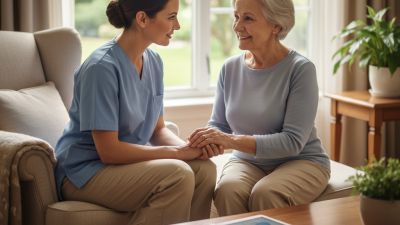
Live-in home care for the elderly offers numerous advantages that enhance quality of life. One key benefit is personalized attention. Caregivers can tailor their support to meet specific needs, ensuring that the elderly feel comfortable and secure. This kind of care allows for meaningful one-on-one interactions, reducing feelings of loneliness. It creates a family-like atmosphere, fostering companionship and emotional well-being.
Transitioning to live-in care can seem challenging. Observing daily routines can help ease this change. Pay attention to what activities bring joy to your loved one. Encourage them to express their preferences. Communication is vital to making this adjustment smooth. Consider gradual changes to their environment. This method can alleviate discomfort and resistance to new care arrangements.
Another benefit of live-in home care is the support with daily activities. This includes assistance with bathing, meal preparation, and medication management. Caregivers are trained to help with these tasks, ensuring safety and independence. Having someone there can also provide peace of mind. Families can rest easy knowing their loved ones are in capable hands. It is essential to have regular check-ins to discuss the effectiveness of the care provided.
Comparing Live in Home Care with Traditional Nursing Homes
When considering elderly support, live-in home care offers distinct benefits over traditional nursing homes.
One major advantage is personalized attention. In-home caregivers focus solely on one client at a time.
This allows for a deeper understanding of each individual's needs.
Unlike in nursing homes, where staff-to-resident ratios can be high, home care ensures tailored services.
This can lead to better emotional well-being and comfort for the elderly.
Traditional nursing homes often lack the homey environment many seniors thrive in.
The noise and bustling activities can add to anxiety.
Conversely, a live-in caregiver can create a familiar atmosphere.
This promotes a sense of security and belonging at home.
However, live-in care is not without its challenges.
It demands a strong partnership between families and caregivers.
There may be occasional misunderstandings about care routines or preferences.
Open communication is crucial to navigate these issues.
Costs also play a role in the decision.
While home care might seem pricier upfront, it can be more cost-effective in the long run.
Families should weigh these factors carefully.
Ultimately, the choice between live-in home care and nursing homes should stem from the individual's specific needs and preferences, reflecting their unique lifestyle and personality.
Personalized Care Plans in Live in Home Care
Personalized care plans are essential in live-in home care for the elderly. Each individual has unique needs. These plans are tailored to address medical, physical, and emotional well-being. According to a study by AARP, nearly 87% of older adults want to age in place. Personalized care helps them achieve this goal.
Care professionals assess individual requirements and preferences. They develop strategies that enhance quality of life. For example, some elderly individuals may need assistance with daily activities, while others may require specialized medical attention. A report by the National Center for Health Statistics shows that about 28% of older adults have disabilities that necessitate daily assistance. This highlights the importance of a personalized approach in home care services.
Moreover, continuous monitoring and adjustments are crucial. Care plans may evolve due to changing health conditions. Families and caregivers work together to update these plans, ensuring effective support. Statistics reveal that effective communication between caregivers and families can improve patient outcomes by 25%. This ongoing dialogue reflects the commitment to providing quality, reliable care tailored to the individual's needs. Such an approach not only fosters independence but also enhances overall well-being.
Why Choose Live in Home Care for Elderly Support?
The Emotional and Psychological Benefits of Home Care
Home care for the elderly provides essential emotional and psychological support. Aging can lead to feelings of isolation. Many seniors find comfort in familiar environments. Being at home can ease anxiety and improve mood.
Personalized care promotes a sense of dignity. Caregivers often form bonds with their clients. This relationship can alleviate feelings of loneliness. Regular social interaction is crucial. Simple conversations can brighten a day.
However, challenges do exist. Some seniors may resist help. Initial adjustments can be tough for both caregivers and clients. Acknowledging these feelings is vital. Open communication leads to better understanding and stronger connections. Assessing each individual's unique needs helps in fostering this bond and promoting emotional well-being.
Evaluating the Cost-Effectiveness of Live in Home Care Options
Evaluating the cost-effectiveness of live-in home care options reveals significant benefits for families. Research by the Genworth Cost of Care Survey indicates that in-home care costs about $24 per hour, while nursing homes average around $102, highlighting a potential saving of over $50,000 annually. This data underscores the financial advantages of choosing live-in home care for elderly support.
Moreover, in-home care offers personalized attention. The National Institute on Aging states that personalized care can lead to improved mental and physical health, promoting better quality of life for seniors. However, it's essential to consider factors like caregiver qualifications and experience, which can impact overall care quality. Families must weigh these elements against the fluctuating costs of institutional care.
While live-in care presents a cost-effective option, hiring the right caregiver can pose challenges. Studies show that a poor match can lead to increased turnover, affecting care continuity. Families should invest time in vetting caregivers' backgrounds and conducting interviews. This effort ensures reliable support and aligns with the senior's specific needs. The impact of these decisions may not be immediately clear, yet they shape the quality of care for years.