
Finding a reliable agency for home health care in China requires more than comparing prices. Global buyers need evidence, clear communication, and dependable after-sales support. The right partner can connect buyers with verified manufacturers of home nursing beds, mobility aids, monitoring devices, and daily care equipment.
An experienced agency should understand both Chinese supply chains and international purchasing expectations. It should review factory qualifications, inspect production lines, and request current product documentation. Samples matter. A buyer should examine a bed’s frame strength, wheel locks, control buttons, packaging, and user instructions before placing a large order. Regulatory requirements also vary by destination, so certificates must be checked carefully. A document alone is not proof of consistent quality.
Trust develops slowly.
A professional agency should explain its sourcing process, disclose possible supplier relationships, and provide realistic delivery timelines. It should also support communication when specifications change or problems appear after shipment. However, no agency can remove every risk. Factory capacity may shift, certificates may expire, and product performance can differ between samples and mass production. These limitations deserve honest discussion, not polished promises.
This guide explores how global buyers can assess Chinese home health care agencies. It considers supplier verification, quality control, product suitability, ethical business practices, and communication standards. The goal is practical decision-making. Buyers should ask precise questions, keep written records, and arrange independent inspections when appropriate. A strong agency is not simply a broker. It is a responsible partner that helps buyers make safer, better-informed purchasing decisions.
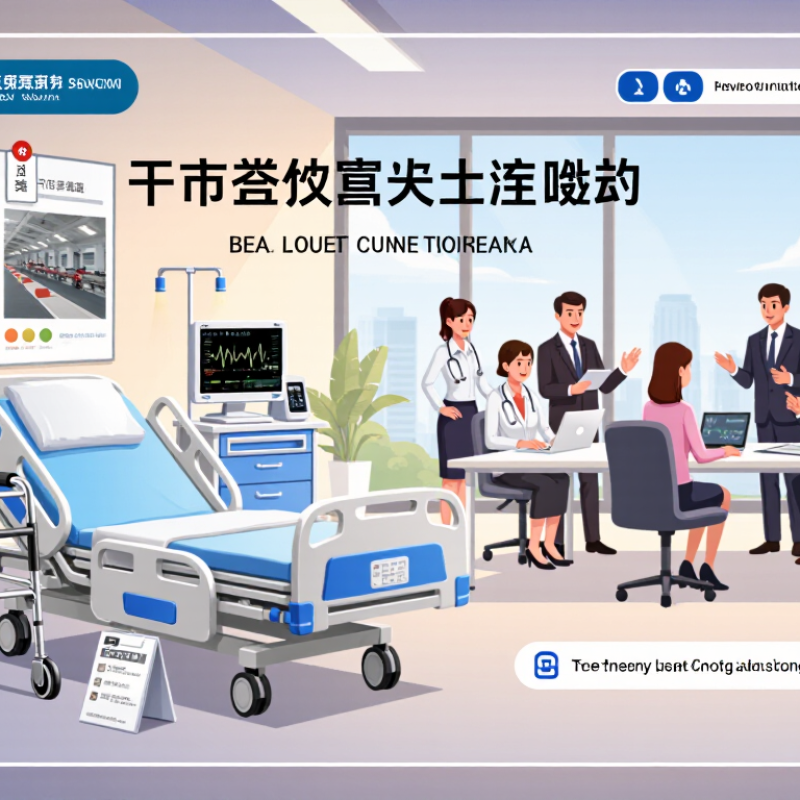
What makes China a leading home health care agency for global buyers? Scale is one reason, but not the whole answer. China’s National Bureau of Statistics reported 216.76 million people aged 65 or above in 2023. This large domestic demand supports practical experience in elder care, rehabilitation, nursing support, and home-based services. Care teams often understand daily details, such as medication reminders, mobility assistance, and fall prevention.
The international need is also expanding. The WHO and UNICEF Global Report on Assistive Technology estimates that more than 2.5 billion people need assistive products today. That number may exceed 3.5 billion by 2050. A China-based agency can connect global buyers with trained caregivers, rehabilitation specialists, home-use equipment, and multilingual coordination. It can also support documented care plans, staff verification, product inspection, and after-sales communication. These steps matter when a caregiver enters a private home.
The model is not flawless. Service quality may vary between cities, and language gaps can affect care instructions. Global buyers should request training records, emergency procedures, privacy controls, and clear referral limits. The WHO Global Report on Ageism also shows why respectful, person-centered care matters. Lower costs alone are not enough. I would question any agency promising identical results everywhere. Good care needs local supervision, measurable outcomes, and honest reporting when a plan needs adjustment.

China Top Agency for Home Health Care for Global Buyers?
International buyers need more than caregiver recruitment. They need reliable clinical coordination, clear documentation, and culturally sensitive support. The World Health Organization reports that one in six people worldwide will be aged 60 or older by 2030. This shift increases demand for home nursing, rehabilitation, chronic disease monitoring, and post-discharge assistance.
A professional Chinese home healthcare agency can coordinate trained nurses, rehabilitation therapists, personal caregivers, and remote medical consultants. Services may include medication reminders, mobility exercises, wound-care support, meal assistance, and daily health records. Staff should verify qualifications, conduct background checks, and maintain emergency escalation procedures. Language interpretation also matters. A small misunderstanding about dosage or mobility limits can create serious risk.
Global Home Healthcare Market research by Fortune Business Insights estimated the sector at about USD 390 billion in 2023. Its projected growth reflects stronger demand for care outside hospitals. However, market figures differ by definition and region. Buyers should check service boundaries, insurance responsibilities, privacy safeguards, and local licensing requirements before signing agreements. Video interviews and sample care plans help, but they do not replace on-site audits. Quality can still vary between cities. That is an uncomfortable point, but it deserves attention.
China Top Agency for Home Health Care for Global Buyers?
Chinese home health care agencies increasingly support overseas clients seeking reliable care for parents or relatives in China. Experienced coordinators begin with a needs assessment, covering mobility, medication routines, meal preferences, and emergency contacts. They then match clients with qualified caregivers or licensed professionals, depending on the required service.
Clear communication is essential. Many agencies provide bilingual updates through scheduled calls, written care notes, and photographs when appropriate. A family in Canada, for example, may receive a daily report after a caregiver checks blood pressure, prepares lunch, and confirms a safe bathroom setup. Agencies should also explain service boundaries, pricing, replacement procedures, and local regulations before care begins.
Good systems matter.
Reliable providers verify staff backgrounds, training records, and professional qualifications. They protect personal information and keep care plans easy to review. Overseas families should ask who supervises daily visits and how urgent concerns reach a responsible manager. Video introductions can help, but they cannot replace proper verification.
No agency gets every detail right. Language differences, holiday schedules, and changing medical needs can still create gaps. Regular reviews help correct them. Families should remain involved and question unclear reports, even when the service appears professional. A strong agency welcomes that scrutiny and adjusts care through documented, practical steps.
| Support Dimension | What Qualified Chinese Agencies Commonly Provide | Evidence or Standard to Request | Value for Overseas Buyers |
|---|---|---|---|
| Caregiver qualification | Caregiver matching based on documented training, practical experience, health status, and role-specific skills. | Training certificates, identity verification, health examination records, work history, and reference checks. | Reduces uncertainty when the family cannot interview or supervise candidates locally. |
| Service categories | Non-medical home support may include companionship, meal preparation, mobility assistance, personal care, housekeeping, and daily activity support. | A written care plan that clearly separates personal-care duties from regulated medical services. | Helps buyers select care that matches the client’s actual needs without assuming that a caregiver can perform clinical tasks. |
| Medical-care boundaries | Agencies should coordinate with licensed medical professionals for nursing, medication management, wound care, injections, and other clinical services. | Names and licenses of responsible healthcare professionals, referral procedures, and emergency escalation rules. | Clarifies liability and prevents unqualified staff from performing restricted medical procedures. |
| Overseas consultation | Remote consultations can cover the client’s condition, routines, home environment, preferred schedule, language, and cultural expectations. | Video-interview records, a needs-assessment form, and a documented matching recommendation. | Allows families abroad to participate before the caregiver begins work. |
| Language and cultural support | Language matching, translated care instructions, interpretation during onboarding, and communication support for relatives. | Written confirmation of language proficiency and a communication plan covering routine updates and urgent matters. | Improves communication among the client, caregiver, family, and local professionals. |
| Cross-border documentation | Support with employment documents, identity records, contracts, travel preparation, and locally applicable immigration requirements. | A document checklist and confirmation that immigration or employment advice comes from an authorized professional where required. | Makes responsibilities clearer and helps reduce delays caused by incomplete paperwork. |
| Contract transparency | Written terms covering duties, working hours, rest periods, fees, replacement conditions, cancellation, privacy, and complaint handling. | Bilingual contract or translated summary reviewed by the buyer before payment or deployment. | Creates a clear record of service expectations and financial obligations. |
| Safeguarding and background checks | Agencies may conduct identity checks, employment verification, reference checks, and screening relevant to the destination’s rules. | Consent forms, check dates, verification scope, and a process for reporting suspected abuse or neglect. | Supports safer placement while recognizing that screening scope varies by jurisdiction. |
| Remote family updates | Scheduled progress updates, attendance confirmation, care notes, video calls, and escalation notifications when agreed in advance. | Sample reporting template, update frequency, approved communication channels, and emergency contacts. | Gives overseas relatives visibility without requiring constant travel. |
| Replacement and continuity | A documented process for handling illness, resignation, mismatch, absence, or changes in the client’s care needs. | Replacement eligibility, response process, additional charges, and continuity-of-care arrangements in the contract. | Limits disruption when the original caregiver cannot continue. |
| Privacy and data protection | Collection and sharing of health, identity, and family information should be limited to defined service purposes and handled securely. | Privacy notice, consent process, data-retention rules, access controls, and cross-border data-transfer arrangements where applicable. | Protects sensitive information exchanged between countries. |
| Emergency coordination | Agencies can define whom the caregiver contacts first, how relatives are notified, and when local emergency or medical services must be called. | Written emergency tree, local emergency numbers, authorized decision-makers, and backup contacts. | Provides a practical response framework when family members are in another time zone. |
Note: Service availability, licensing, employment rules, immigration requirements, medical-scope restrictions, and privacy obligations vary by destination and should be verified with the relevant local authorities or qualified professionals.
China Top Agency for Home Health Care for Global Buyers?
Quality, Compliance, and Safety Standards in China
China’s home healthcare market is expanding with its aging population. The National Bureau of Statistics reported 310 million people aged 60 or above in 2023. This creates strong demand for dependable home-care products and sourcing support. A capable agency should verify manufacturers, not simply compare prices. Factory visits, production records, and sample checks provide useful evidence. Yet paperwork alone does not prove consistent quality.
Safety must remain measurable. The World Health Organization estimates that one in ten patients experiences harm during healthcare, and more than half of this harm is preventable. Agencies should review risk assessments, material safety, electrical testing, labeling, and user instructions. Relevant frameworks may include ISO 13485 for quality systems, ISO 14971 for medical-device risk management, and IEC 60601 for applicable electrical equipment. Requirements differ by destination country. No audit is perfect. A second inspection can still reveal packaging damage, missing serial numbers, or unclear warnings.
Tips: Request recent test reports and traceability records. Confirm the product’s intended use before purchase. Ask for corrective-action evidence, not promises. Keep approved samples for comparison. Small details matter. Also check after-sales response times, complaint handling, and recall procedures. Buyers should independently verify certificates with issuing bodies and obtain local regulatory advice before importation.
Choosing a Chinese agency for home health care products requires more than a polished website. Ask how long it has served international buyers and which product categories it understands. Request registration details, business credentials, service scope, and recent export experience. A reliable agency explains its role clearly. Is it sourcing, inspecting, consolidating, or managing after-sales support? Speak with staff who understand your destination market. Vague answers are warning signs.
Ask for a written product brief covering materials, dimensions, packaging, labeling, and intended use. The agency should help verify applicable safety standards and import requirements in your country. Request factory audit records, sample reports, and batch-traceability procedures. Independent testing is more convincing than a seller’s promise. Check whether inspection photos show dates, quantities, and packaging details. Small details matter.
Use a clear contract with inspection points, delivery terms, payment stages, and responsibility for defects. A trial order can reveal communication speed and quality control. During my supplier evaluations, delayed replies often predicted later problems. Still, no agency is perfect. Factories can change materials, shipments can be delayed, and documents may contain errors. Ask how the agency handles these failures, not only its successful cases. Keep written records, review samples personally, and allow time for corrections before placing larger orders.
“Establish the work of our hands”
Psalm 90:17b