Reliable, Trusted and Compassionate Home Care Agency

Top 10 Tips for Finding the Best Short Term Home Care Services

Finding the right support for loved ones in need can be a daunting task, especially when considering short term home care solutions. As families navigate through the myriad of options available, it becomes essential to ensure that they choose services that are not only reliable but also tailored to meet specific needs. The concept of short term home care encompasses a range of services designed to provide temporary assistance, allowing individuals to maintain a level of independence while receiving necessary care.

In an increasingly fast-paced world, short term home care offers a viable solution for those seeking temporary help during recovery from surgery, illness, or any other life transition. By focusing on personalized care plans, families can provide their loved ones with comfort and support in familiar surroundings. However, finding the best services requires thorough research and careful consideration of various factors. This guide aims to offer practical tips that can help families identify quality short term home care services, ensuring that their loved ones receive the attention and care they truly deserve.

Top 10 Tips for Finding the Best Short Term Home Care Services

Understanding Short Term Home Care Services

Short term home care services play a crucial role in supporting individuals who need temporary assistance due to various circumstances such as recovery from surgery, chronic illness management, or personal care needs. These services are designed to offer personalized support that can include help with daily living activities, companionship, medication management, and rehabilitation therapies. Understanding the specific needs of the individual is key when evaluating short term home care options, as this ensures that the services provided are tailored to enhance comfort and promote well-being during a transitional period.

When looking for short term home care services, it's essential to consider the qualifications and training of caregivers. Skilled professionals should be equipped to handle a range of health-related tasks while also providing emotional support. Additionally, assessing the flexibility of care schedules can be vital, as many clients may require varying levels of assistance throughout their recovery. Transparency in services offered, along with clear communication about caregiver responsibilities, helps to foster trust and comfort for both the individual receiving care and their families.

Identifying Your Specific Care Needs

Top 10 Tips for Finding the Best Short Term Home Care Services

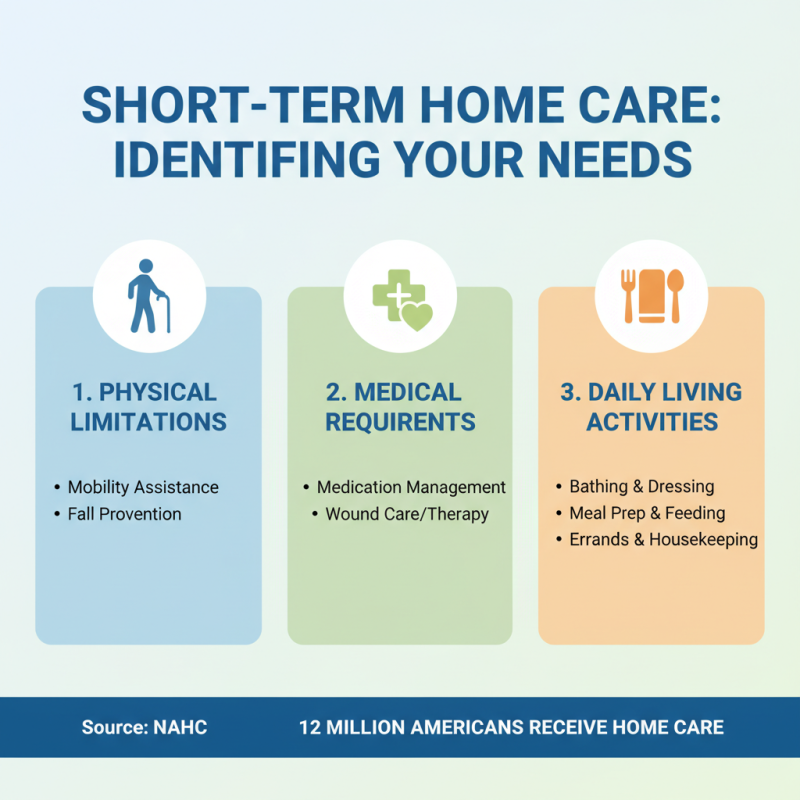
When considering short-term home care services, it is essential to first identify your specific care needs. According to the National Association for Home Care & Hospice, nearly 12 million individuals in the U.S. receive some form of home care, and understanding these needs is crucial to finding the right services. This includes assessing physical limitations, medical requirements, and daily living activities such as bathing, dressing, or meal preparation. Tailoring services to these specific needs not only enhances the quality of care but also ensures that the services are effective and efficient.

Moreover, it is important to consider the emotional and social aspects of care. A study published by the Home Care Association of America found that 92% of clients reported improved emotional well-being after receiving home care services tailored to their personal preferences. This highlights the importance of evaluating not just physical needs but also the emotional support required during the recovery process. Identifying these factors can assist families in selecting caregivers who are not only equipped to handle their loved ones' medical needs but who can also provide companionship and connection, which are vital for overall health and happiness.

Evaluating the Credentials of Home Care Providers

When seeking short-term home care services, evaluating the credentials of home care providers is crucial to ensure the well-being of your loved ones. Begin by verifying the provider’s licensing and certifications. Each state has specific regulations, and a licensed provider is typically more trustworthy. Look for certifications from recognized organizations that indicate the provider has met industry standards. This ensures that caregivers are trained in essential areas such as patient care, safety protocols, and communication skills, equipping them to deliver quality support.

Another key aspect to consider is the experience and background of the caregivers. Request information about their training, whether they have specialized experience in certain medical conditions, and how they are screened for employment. Background checks, including criminal history and driving records, are vital components of a thorough vetting process. Additionally, asking for references from previous clients can provide insight into the provider's reliability and the quality of care they deliver. By taking these steps, you can better discern the competence and professionalism of potential home care providers, ensuring that your family member is in good hands.

Comparing Costs and Insurance Coverage Options

When seeking short-term home care services, understanding costs and insurance coverage options is crucial. According to the Genworth 2021 Cost of Care Survey, the national median cost for home health aide services is approximately $27 per hour, which can add up significantly for longer care durations. It’s important to compare different service providers and their pricing structures to find a solution that fits your budget. Some agencies may offer bundled services or discounts for longer commitments, while others focus on hourly rates that can quickly escalate.

Insurance coverage can also vary widely. Medicare typically covers some home health care services, but eligibility criteria are strict. A report from the Kaiser Family Foundation emphasizes that while many people assume their insurance will cover short-term home care, the reality is that many private insurance plans limit their coverage. It’s wise to verify your policy details and discuss potential out-of-pocket expenses with your insurance provider before committing.

Tip 1: Always request a detailed breakdown of costs from potential agencies to ensure there are no hidden fees. Tip 2: Explore state Medicaid programs, as they often provide financial assistance for eligible individuals requiring home care services. By staying informed about these aspects, you can make a more empowered decision in selecting the right home care solution for your needs.

Compare Costs of Short Term Home Care Services

Reading Reviews and Seeking Referrals for Quality Services

When searching for the best short-term home care services, one of the most effective strategies is to read reviews from previous clients. Online platforms often feature testimonials that provide insight into the quality of care, reliability, and professionalism of various agencies. Look for reviews that highlight specific experiences, such as responsiveness to needs, the demeanor of caregivers, and overall satisfaction. Pay attention to consistent themes in positive and negative reviews; these patterns can help you gauge the strengths and weaknesses of potential service providers.

In addition to reading online reviews, seeking referrals from trusted friends, family members, or healthcare professionals can be invaluable. Personal recommendations often come from firsthand experiences, allowing you to gather reliable information. Ask for details about the services rendered, the caregivers’ training, and any specific instances that made the experience positive or negative.

Referrals can also lead you to hidden gems that may not have a robust online presence but provide exceptional care. Combining both reviews and personal referrals will equip you with a well-rounded understanding of the options available, guiding you toward making an informed decision for your short-term home care needs.