What Is Smoke Tree Extract Used For?
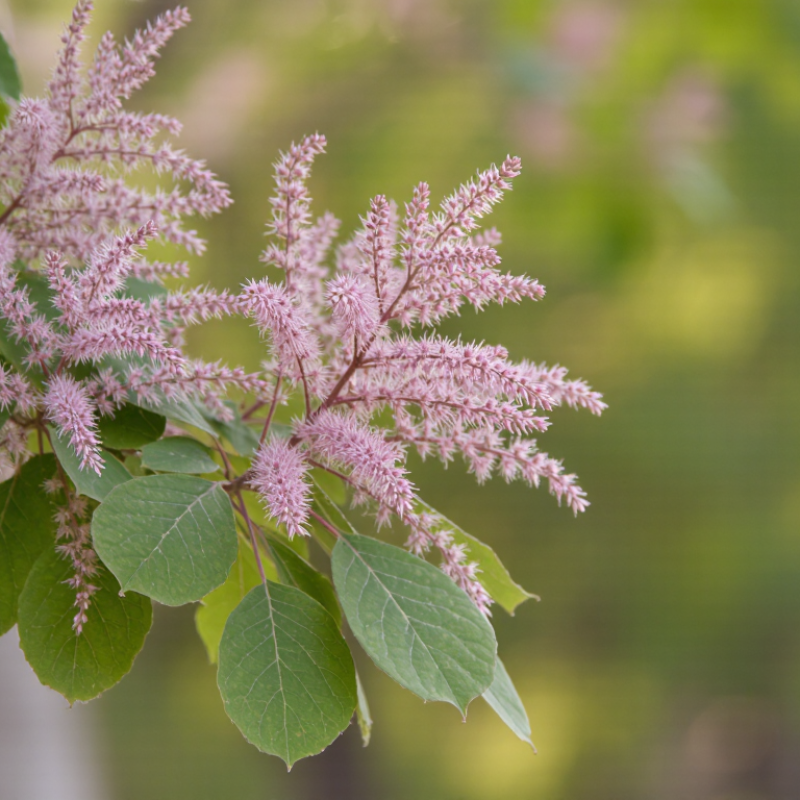
Smoke Tree Extract is usually discussed as a botanical ingredient, but the name alone does not tell you what a product contains. Smoke tree generally refers to Cotinus coggygria, a shrub with rounded leaves and soft, smoky-looking flower clusters. Its extract may appear in skincare and personal-care formulas, where manufacturers use plant-derived ingredients for their formulation properties. The exact purpose depends on the plant part, extraction method, concentration, and finished product.
A label is only the beginning. Look for the botanical name, ingredient list, and directions for use. A cream containing Smoke Tree Extract is not the same as a concentrated raw extract, and evidence about one preparation may not apply to another. Some traditional uses are also described in herbal references, but tradition does not establish that a product treats or prevents a health condition. That distinction matters.
Reliable guidance should be specific and checkable. No verified, Smoke Tree Extract-specific quotation from a named industry expert was supplied for this introduction, so I will not invent one or attach an unverified statement to a real person. That is a limitation worth stating plainly. This guide will examine common uses, what ingredient labels can reveal, and where evidence remains uncertain. If you are considering a product for sensitive skin or a medical concern, review its full ingredient list and ask a qualified healthcare professional. Small details matter.
What Is Smoke Tree Extract?
What Is Smoke Tree Extract?
Smoke tree extract comes from the smoke tree, Cotinus coggygria, a shrub known for its airy, cloud-like flower clusters. The extract is prepared from selected plant parts and added to some cosmetic formulas. Its composition depends on the plant material and extraction method, so products may differ. It can contain plant compounds such as tannins and polyphenols, which are studied for antioxidant and astringent properties.
In skincare, formulators may use it to support a fresh-feeling, balanced appearance. It is not a proven treatment for acne, redness, or other skin conditions. Evidence for specific benefits in finished products remains limited, and results can vary. That distinction matters. A botanical ingredient can sound impressive without having strong clinical proof. Smoke tree extract may also irritate sensitive skin, especially in a formula with fragrance or other active ingredients.
Tips: Check the full ingredient list and follow the product label. Try a small amount on a discreet patch of skin first, then wait a day to check for irritation. If your skin reacts, stop using it. For persistent concerns, ask a qualified healthcare professional rather than relying on a cosmetic extract.
Which Compounds Are Found in Smoke Tree Extract?
Smoke tree extract, usually made from Cotinus coggygria leaves or bark, is a mixture rather than one active ingredient. Its best-known constituents are tannins, including hydrolysable tannins, and flavonoids such as fustin, fisetin, and sulfuretin. Analytical HPLC and LC-MS studies of the plant also report gallic acid and related phenolic compounds. The exact profile shifts with plant part, harvest conditions, and extraction solvent.
Tannins are particularly prominent. Pharmacognosy reports commonly place leaf tannins at roughly 15–25% of dried material, though this is not a guaranteed specification for every extract. That figure describes the plant material, not necessarily the finished product. A concentrated water extract and an alcohol-based extract can contain different proportions. Small details matter.
These compounds help explain why researchers investigate smoke tree extracts for antioxidant and skin-related applications; they do not establish that every extract produces a proven health benefit. A reliable product specification should identify the botanical species, plant part, extraction method, and measured marker compounds. Without those details, “smoke tree extract” tells you very little about what is in the bottle.
What Are the Traditional Uses of Smoke Tree Extract?
Smoke tree extract usually refers to preparations from smoke bush (Cotinus coggygria), a shrub whose leaves and bark contain tannins. In traditional herbal practice, these parts were valued for their astringent qualities. Astringents can make tissues feel tighter and drier. That helps explain their historical use for minor skin complaints and loose stools, though it does not prove they work.
Traditional applications varied by region. Some herbal accounts describe leaf or bark preparations used externally on small cuts, irritated skin, or weeping areas. Others mention diluted preparations for rinsing the mouth or throat when gums felt sore. These practices were based on observation and custom, not modern clinical trials. The details matter: a folk rinse is not the same as swallowing a concentrated extract.
Evidence remains limited. Not a cure. Tannin-rich preparations may irritate sensitive skin or upset the stomach, and strength can differ greatly between products. I would be cautious about treating an old use as a safe dose; traditional records rarely specify reliable amounts or preparation standards. Anyone who is pregnant, takes medication, or has ongoing symptoms should ask a qualified health professional before using smoke tree extract.
What Does Research Say About Its Potential Uses?
Research on smoke tree extract usually concerns Cotinus coggygria, especially its leaves and bark. Chemical analyses identify tannins and flavonoids, compounds that researchers test for antioxidant and antimicrobial activity. In laboratory assays, extracts have shown measurable free-radical scavenging activity, while separate test-tube studies have examined effects on selected microbes. These are experimental findings, not proof that the extract treats infections or prevents disease in people.
That distinction matters. A review of Cotinus coggygria pharmacology describes promising preclinical findings, but human evidence remains limited. Most reported results come from cells, test tubes, or animal models; the extract’s strength and preparation also vary between studies. A result from a concentrated laboratory sample may not match a cream or supplement used at home. Evidence remains early.
Researchers have also explored possible skin-soothing and anti-inflammatory uses, partly because traditional applications and lab findings point in that direction. Yet reliable clinical trials have not established an effective dose, long-term safety, or clear benefits for specific skin conditions. If you are considering a topical product, check its full ingredient list and stop using it if irritation develops. The research is interesting, but the gap between a promising assay and a proven treatment is still real.
What Safety Considerations Apply to Smoke Tree Extract?
Smoke tree extract usually refers to an extract from Cotinus coggygria, a shrub whose leaves and bark contain tannins and other plant compounds. It appears in some topical preparations and is sometimes discussed for skin-soothing or astringent effects. Evidence for these uses is limited, and results from laboratory studies do not prove that a product will help a person’s skin. The plant part and extraction method can also change what the finished extract contains. That matters.
Safety depends on the product, its concentration, and how it is used. A topical product may cause redness, itching, or a rash, especially on sensitive skin. Test a small amount on an area such as the inner forearm, then wait a day before wider use. Stop if irritation develops. Keep it away from eyes, and avoid applying it to broken or inflamed skin unless a clinician advises otherwise. Do not assume that a plant extract is safe to swallow; oral safety and dosing are not well established. People who are pregnant, breastfeeding, taking medicines, or managing a skin condition should ask a qualified health professional before use. Product labels can be incomplete, and I would not treat that uncertainty as a minor detail.
Smoke Tree Extract: Uses and Safety Considerations
Evidence and safety information for smoke tree extract are limited. Traditional or laboratory-reported uses should not be taken as proof of benefit in people.
How to read this chart: Ratings are qualitative categories, not measurements of effectiveness or risk frequency. “Not established” means reliable safety information is lacking—not that a use is proven safe. Possible irritation or allergy is a precaution, not an estimate of how often it occurs. Ask a healthcare professional before using an extract, especially during pregnancy or while taking medication.