What is a Reclining Wheelchair and How Does it Work?
A Reclining Wheelchair is an innovative mobility aid designed to enhance comfort and accessibility. Unlike traditional wheelchairs, this type offers adjustable seating positions. Users can tilt back, which alleviates pressure on their spine. For many, this feature is essential for extended use. It caters to individuals with specific needs, such as those recovering from surgery or dealing with certain medical conditions.
The mechanics of a Reclining Wheelchair allow users to shift positions easily. This promotes better circulation and reduces the risk of pressure sores. Such adjustments can be life-changing for individuals with limited mobility. However, not all users may find the reclining function beneficial. Some may feel it complicates their experience rather than improving it. Personal preference plays a crucial role in deciding if a Reclining Wheelchair is right for someone.
In conclusion, the Reclining Wheelchair presents advantages and challenges. It’s important to consider personal needs when evaluating options. Understanding how it works and how it can impact daily life is key to making an informed decision.
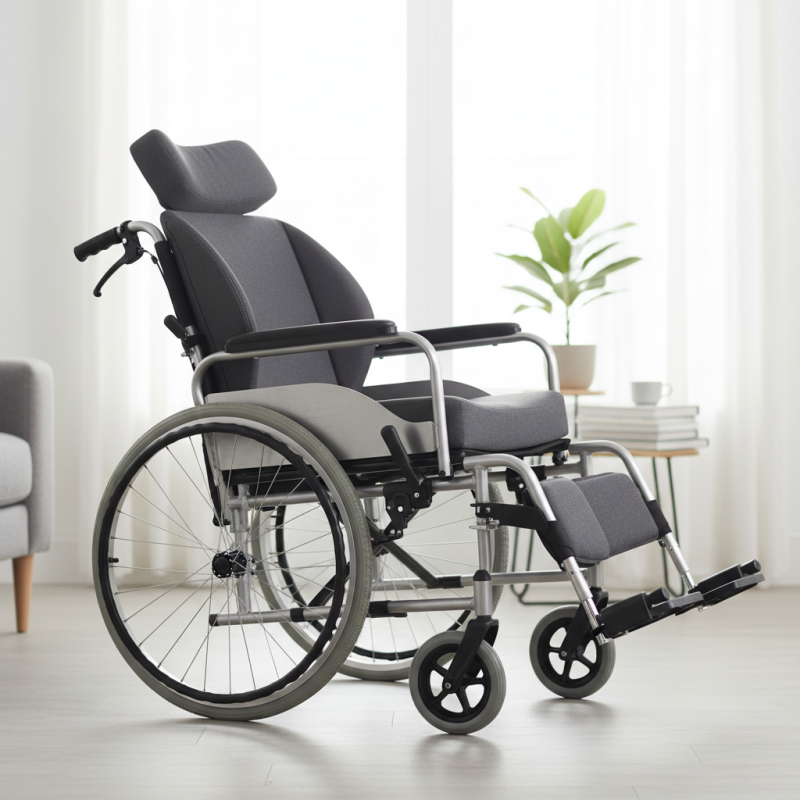
What is a Reclining Wheelchair and Its Main Features?
A reclining wheelchair is specially designed for individuals who need support in both sitting and lying positions. Its main features include adjustable backrests and leg rests that allow users to recline comfortably. This feature is essential for pressure relief, which is crucial for people who spend extended periods in a wheelchair.
The reclining mechanism often operates using a simple lever or button. Adjusting the angle is easy and can be done by the user or a caregiver. Many models come with additional supports like headrests and side cushions for added comfort. This adaptability makes reclining wheelchairs suitable for a wide range of users, from those with temporary needs to those with long-term mobility challenges.
**Tips:** Always consider the weight capacity of the wheelchair. Test it before buying. Ensure that adjustments can be done with ease. Look for models with removable and washable covers for hygiene. Regular maintenance is necessary to keep the chair functioning correctly.
The Technology Behind Reclining Wheelchairs: Mechanisms and Designs
Reclining wheelchairs are a marvel of modern design. They allow users to shift positions easily. This capability is essential for comfort and health.
The reclining mechanism often involves hydraulic or electric systems. These systems let users adjust the seat to a comfortable angle with minimal effort. Some designs feature hand controls for greater accessibility. Others are more automated, responding to user preferences. A little pressure can adjust the angle. However, not all designs are user-friendly. Some may require additional force or precision, making them frustrating for some.
The overall design varies significantly. Some wheelchairs prioritize lightweight materials. Others focus on durability for heavy use. This diversity presents choices. But with choices come challenges. Users must reflect on their specific needs. The ideal wheelchair might not exist. It’s important to assess features based on personal requirements and limitations.
Reclining Wheelchair Features Comparison
Benefits of Using a Reclining Wheelchair for Patient Comfort and Health
Reclining wheelchairs offer significant benefits for patient comfort and health. These chairs allow users to change their position easily, promoting better circulation. According to a study from the National Institutes of Health, over 60% of wheelchair users experience pressure sores. Reclining can reduce this risk by distributing weight more evenly.
Patients using reclining wheelchairs report enhanced comfort during prolonged periods of sitting. They have the ability to adjust angles based on personal needs. This feature can be crucial for those with limited mobility. Research published by the Journal of Rehabilitation Research shows that proper body positioning can prevent musculoskeletal issues and improve respiratory function.
Moreover, reclining wheelchairs can aid in daily activities. Users can find a more relaxed posture, enhancing their overall well-being. However, it is essential to reflect on individual needs. Not every wheelchair user will benefit from a reclining feature. Understanding personal preferences is vital in selecting the right wheelchair type.
Key Differences Between Reclining Wheelchairs and Standard Wheelchairs
Reclining wheelchairs offer unique benefits compared to standard models. The primary difference lies in their ability to recline, providing extra comfort. This feature is crucial for users who may struggle to sit upright for extended periods. The reclining mechanism allows for various positions, helping to alleviate pressure points.
Standard wheelchairs are designed for mobility and ease of use. They usually feature a fixed backrest, promoting an upright posture. While this works well for many, it can be uncomfortable. Reclining wheelchairs address this discomfort. They often include padded cushions and adjustable footrests, enhancing overall comfort.
However, not all reclining models are easy to maneuver. Some can be heavier and bulkier than standard wheelchairs. Users often find navigating tight spaces more difficult. The adjustments can take time to master, leading to frustration. It's essential to consider these factors before making a choice. Finding the right balance between comfort and practicality is key.
What is a Reclining Wheelchair and How Does it Work? - Key Differences Between Reclining Wheelchairs and Standard Wheelchairs
| Feature | Reclining Wheelchair | Standard Wheelchair |
| Backrest Adjustment | Reclines to various angles | Fixed position |
| Comfort Level | High, suitable for long periods | Moderate, can be uncomfortable for extended use |
| Weight | Heavier due to additional features | Lighter and simpler |
| Adjustability | Highly adjustable | Limited adjustability |
| Usage | Best for individuals with specific medical needs | General mobility support |
| Cost | Typically more expensive | Usually more affordable |
Industry Insights: Market Trends and User Demographics for Reclining Wheelchairs
Reclining wheelchairs have become increasingly popular in recent years. The market for these mobility aids is expanding, driven by an aging population and the rising incidence of chronic conditions. Many users need to find comfort when seated for long periods. This has encouraged manufacturers to innovate and provide more options.
User demographics show a diverse range of individuals benefiting from reclining wheelchairs. Older adults often seek this comfort, especially those with limited mobility. Additionally, younger individuals with specific medical needs are joining this market. The growing awareness of disability options is reshaping perceptions. Yet, some users report challenges in finding the right fit or specific features they need.
Market trends reveal a shift towards customization. Users desire wheelchairs that cater specifically to their lifestyles. Some seek lightweight models, while others prefer enhanced support features. However, access to these tailored options can be inconsistent. Some regions still face barriers in availability, leading to frustration. This inconsistency signals a need for improvement in how these critical supports are offered.