Why Is Personal Care Home Care Essential for Seniors Wellbeing?
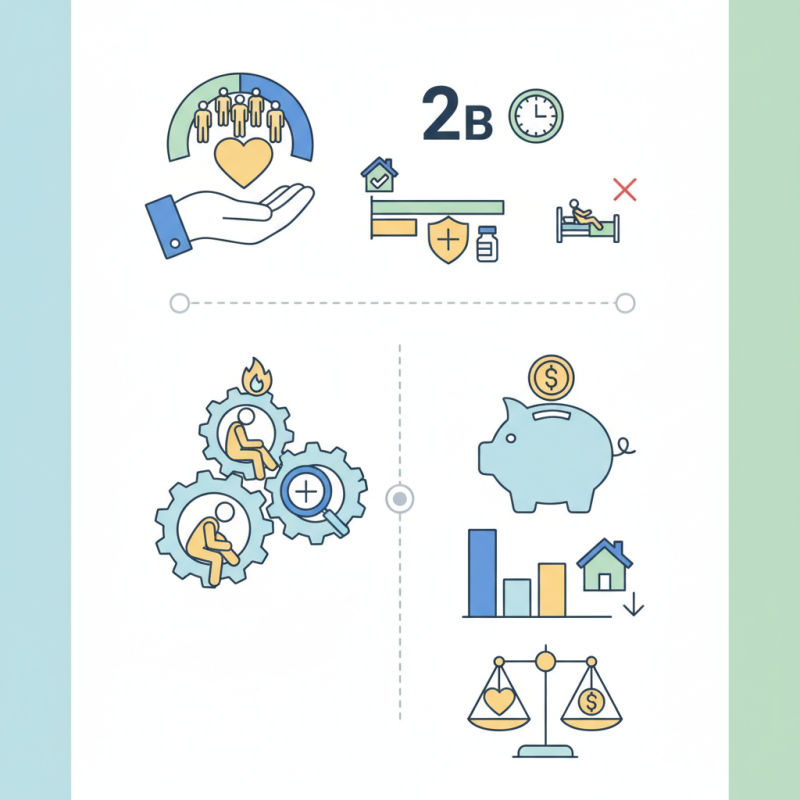
As the global population ages, personal care home care has become vital for seniors' wellbeing. According to the World Health Organization, by 2050, the number of people aged 60 and older is projected to reach 2 billion. This demographic shift underscores the increasing need for personalized care services tailored to seniors' unique requirements.
Personal care home care encompasses assistance with daily activities such as bathing, dressing, and medication management. Research by the AARP indicates that nearly 90% of seniors prefer to age in place. This preference highlights the importance of maintaining their independence while receiving necessary support. However, the sector faces challenges. Many caregivers experience burnout, leading to a shortage of quality personal care home care.
Moreover, the financial implications cannot be overlooked. A report from Genworth shows that the average annual cost for in-home care is around $54,912. This figure often forces families to reassess their financial planning, emphasizing the need for more accessible home care options. Balancing high-quality care and affordability remains a critical issue to address for the future of seniors' wellbeing.
Understanding Personal Care Home Care for Seniors
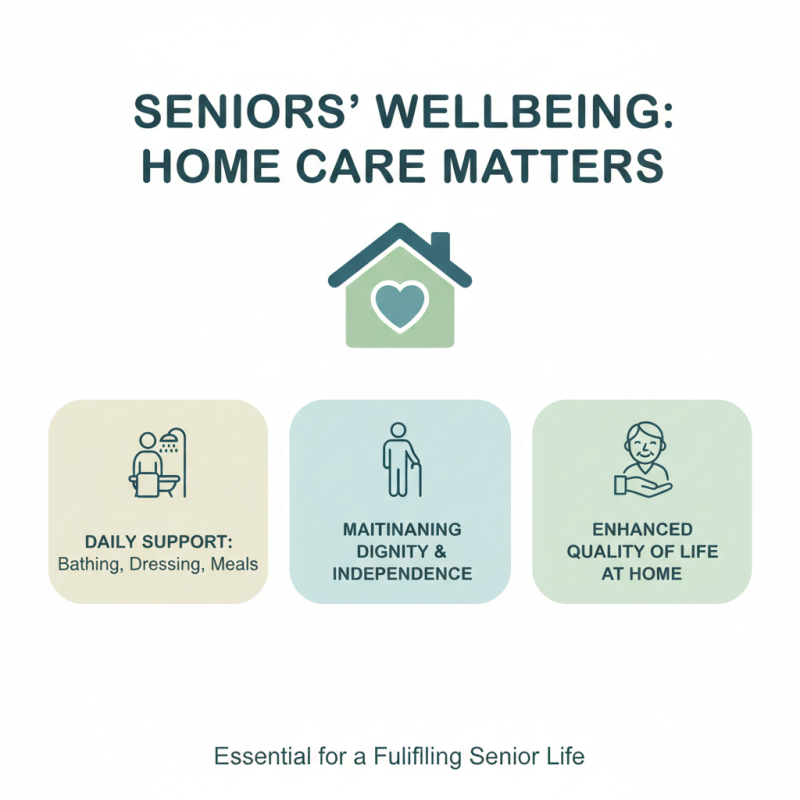
Personal care home care plays a vital role in enhancing seniors' wellbeing. It provides essential support for daily activities. Many seniors struggle with tasks such as bathing, dressing, and meal preparation. This assistance ensures they can maintain dignity and independence at home.
Tips for choosing the right care include evaluating individual needs. Consider mobility and cognitive abilities. A caregiver should offer companionship and engagement. Many seniors benefit from social interaction, which can uplift their spirits. Regular activities, like reading or gentle exercises, can help prevent loneliness.
Another important aspect is monitoring health. Regular check-ins can identify potential issues early. It's crucial for caregivers to have training in first aid and emergency response. Sometimes, caregivers may feel overwhelmed. They should take breaks and seek support to provide the best care possible.
The Importance of Personalized Care Plans for Senior Wellbeing
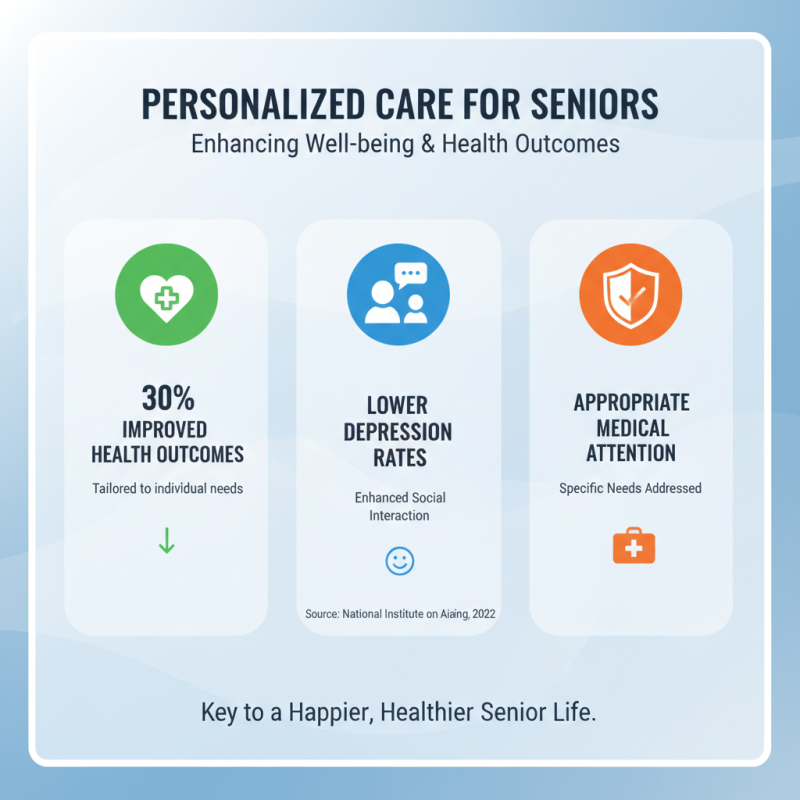
Personalized care plans play a crucial role in enhancing the wellbeing of seniors. Research indicates that tailored care can improve health outcomes by 30%. Individualized plans address specific needs, ensuring that seniors receive appropriate medical attention and social interaction. For example, a 2022 report from the National Institute on Aging highlighted that seniors with customized care plans experience lower rates of depression.
Creating these plans often involves input from healthcare providers, family, and the seniors themselves. Communication is vital. When each person shares their perspectives, the plan becomes more effective. However, challenges can arise. Not all families express their concerns, and sometimes seniors feel overwhelmed. This hesitation can lead to gaps in care.
Moreover, consistent monitoring of these plans is essential. Studies show that regular evaluations can lead to a 20% increase in satisfaction among seniors. Yet, some caregivers may overlook this step due to busy schedules or a lack of resources. This issue emphasizes the need for continuous training and support for caregivers. Implementing structured follow-ups is not merely an option; it is a necessity for optimal senior care.
Benefits of Home Care Services for Seniors' Mental Health
Home care services play a vital role in supporting seniors' mental health. Many elderly individuals face feelings of isolation. Regular visits from caregivers help combat loneliness. Conversations over tea or shared activities bring joy and connection. These small moments make a big difference.
Additionally, tailored care plans address specific emotional needs. Caregivers who understand personal histories create safe environments. This familiarity fosters trust and comfort. Some seniors may struggle with anxiety or depression. Home care can provide the necessary support. A friendly face can soothe worries.
However, finding the right caregiver is not always easy. Miscommunication can create frustration. Not all caregivers connect well with every individual. This mismatch can hinder progress. It is essential to evaluate these relationships regularly. Seniors deserve the best care for their mental well-being. Building a genuine rapport is crucial for success.
Why Is Personal Care Home Care Essential for Seniors Wellbeing? - Benefits of Home Care Services for Seniors' Mental Health
| Benefit |
Description |
Impact on Mental Health |
| Companionship |
Regular visits from caregivers reduce loneliness and provide emotional support. |
Promotes a sense of belonging and decreases depression. |
| Personalized Care |
Customized assistance with daily activities fosters independence. |
Improves self-esteem and promotes mental clarity. |
| Flexible Scheduling |
Care services can be scheduled according to the senior’s needs. |
Reduces anxiety by ensuring control over personal routines. |
| Health Monitoring |
Caregivers monitor health status and medication adherence. |
Enhances peace of mind and promotes overall wellness. |
| Engagement Activities |
Caregivers provide cognitive stimulation through games and discussions. |
Improves cognitive function and reduces the risk of dementia. |
How Personal Care Supports Daily Living Activities for the Elderly
Personal care home care is crucial for seniors. It enhances their quality of life and supports daily living activities. Many elderly individuals struggle with tasks like bathing, dressing, and eating. These small actions are often taken for granted but hold great significance. Personal care assistance ensures that seniors maintain their dignity as they age.
One key aspect of personal care is promoting independence. When caregivers assist with daily tasks, they empower seniors. This support helps them feel valued and less isolated. However, not all assistance is perfect. Some seniors might feel frustrated when they cannot perform tasks on their own. This can lead to mixed feelings about receiving help. Finding the right balance is essential.
Another challenge often arises in communication. Sometimes, seniors may feel misunderstood or overlooked during care routines. Caregivers must practice patience and empathy. A simple smile or a gentle touch can make a huge difference. Regular check-ins and open dialogues help build trust. This connection enables seniors to express their preferences. It also respects their autonomy in daily living.
Impact of Home Care on Family Dynamics and Caregiver Stress
Home care for seniors plays a crucial role in supporting family dynamics. When a loved one requires assistance, it often falls on family members to provide that care. This responsibility can create stress and frustration. Many caregivers juggle jobs, children, and their own lives while managing these duties. The pressure can lead to burnout, which affects both the caregiver and the senior.
Caregiving at home alters family relationships. Siblings may disagree on how to support the older adult. One person might take on most tasks, leading to feelings of resentment. Communication struggles often surface. Ensuring that everyone is on the same page is essential but not easy. Caregiving can also lead to isolation for the caregiver. Social life often takes a backseat, impacting their mental health.
Maintaining a balance is key. Home care services can alleviate some of the pressures. They can provide professional support when families feel overwhelmed. Still, finding the right help is challenging. It’s vital to recognize the signs of caregiver stress. Continual exhaustion, irritability, and lack of interest in hobbies signal the need for change. Family members should reflect on their dynamics regularly and seek support when needed.