Top Mochi Ice Cream Suppliers Worldwide?
Mochi Ice Cream has moved from a niche Japanese-inspired dessert into a visible global premium-snacking category. Its appeal is easy to picture: a soft rice-flour shell, a cold center, and a portion small enough for one hand. Grand View Research reports continued growth in the global ice cream market, supported by premiumization, convenience, and product innovation. IMARC Group also identifies Asia-Pacific as a major force in frozen dessert consumption and manufacturing. These trends create opportunities for suppliers with reliable cold-chain systems, consistent texture, and distinctive flavors.
Frances Hashimoto, the former president of Mikawaya and a key figure in popularizing mochi ice cream, described the product as “a fun food.” That phrase remains useful, although it does not explain every purchasing decision. Buyers also examine ingredient transparency, filling stability, export experience, certifications, and freezer performance. A supplier may offer beautiful matcha, mango, or black sesame pieces, yet struggle during long-distance delivery. Small details matter.
This guide compares leading Mochi Ice Cream suppliers worldwide through a practical sourcing lens. It considers manufacturing capacity, private-label support, flavor development, packaging, regional distribution, and quality controls. Market reports provide useful direction, but supplier claims still require verification. Rankings can also change quickly. A strong supplier today may face shortages tomorrow. Readers should request samples, audit documentation, shelf-life data, and shipping terms before making a commercial decision. The best partner is not always the largest company. Often, it is the supplier that communicates clearly and protects texture from factory to freezer.
Mochi Ice Cream: Definition, Origins, and Global Market Overview
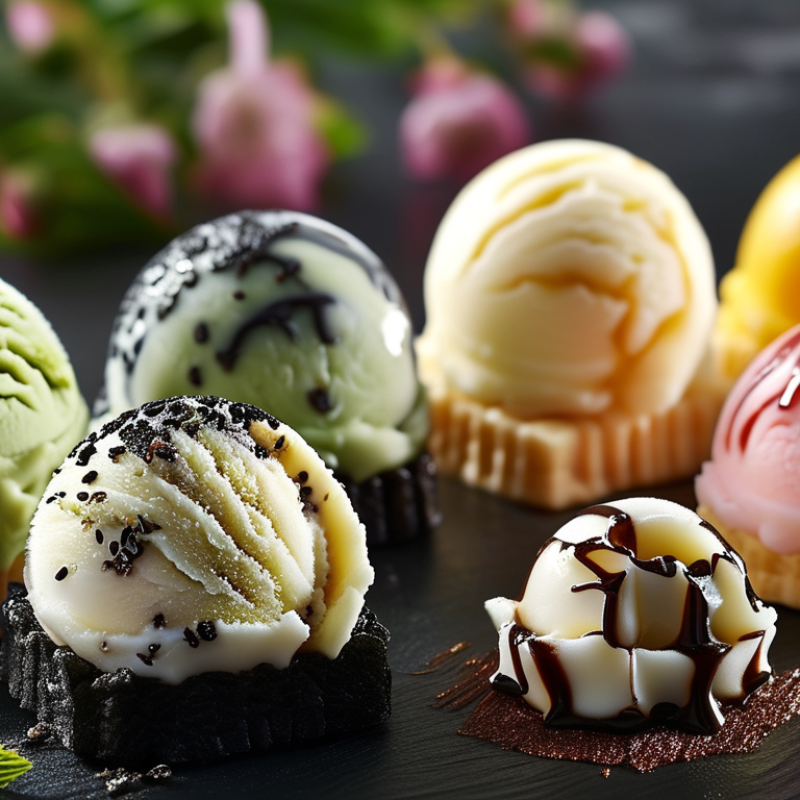
Mochi ice cream combines a soft Japanese rice-flour shell with a frozen dairy or plant-based center. The outer layer feels elastic, while the filling delivers a quick burst of sweetness. The texture matters. It should remain pliable after brief tempering, not crack like a frozen biscuit. Mochi developed from traditional Japanese rice cakes, although modern ice cream fillings created a newer international category.
Today, suppliers operate across Asia, North America, Europe, and other developing food markets. Their work involves more than flavor creation. Reliable producers control rice-flour hydration, filling weight, freezing speed, and package sealing. Cold-chain stability is essential during storage and shipping. A small temperature rise can make the shell sticky or cause freezer damage. Demand is uneven. Retailers often favor compact portions, clear allergen labels, and flavors suited to local preferences.
Professional buyers should examine ingredient specifications, factory audit records, batch traceability, and microbial testing procedures. Suppliers should also explain how they manage dairy, soy, nuts, and gluten-related risks. Certifications can support trust, but documents require verification. That part is sometimes overlooked. Market growth is encouraged by snackable formats, visual appeal, and premium dessert culture, yet price-sensitive consumers may resist small portions. Packaging waste and long-distance refrigeration also complicate sustainability claims. The global market remains promising, but its real performance depends on dependable quality, transparent sourcing, and practical distribution rather than novelty alone.
Key Criteria for Evaluating Mochi Ice Cream Suppliers
Choosing top mochi ice cream suppliers requires more than comparing prices. Texture, cold-chain control, and production consistency matter equally. Grand View Research valued the global ice cream market at about US$79 billion in 2023. This scale increases supplier choice, but it also increases quality variation.
Ask for recent certificates, allergen controls, and batch traceability. ISO 22000 or a verified HACCP system shows structured food-safety management. However, certificates alone are not enough. Request audit dates, corrective-action records, and laboratory results. The Codex Alimentarius standard for quick-frozen foods recommends maintaining products at -18°C or colder. A supplier should provide temperature logs from storage through delivery. Test the mochi after thawing slightly. The wrapper should remain elastic, while the filling stays smooth and cold. A perfect sample can mislead.
Tips: Compare three production batches, not one. Check delivery temperatures with an independent data logger. Review minimum order quantities, lead times, packaging strength, and insurance coverage. Ask how the supplier handles damaged cartons and delayed shipments. Also inspect the factory remotely or in person when possible. My practical concern is often overlooked: a soft mochi shell may indicate formulation changes, not transport failure. Request written specifications for rice flour, filling weight, shelf life, and allowable variation. Supplier evaluation should combine documents, sensory testing, and repeated deliveries. Personally, I would reject the lowest quote if its records were incomplete. Reference: Grand View Research, Ice Cream Market Size, Share & Trends Analysis Report, 2024–2030; Codex Alimentarius, CXS 136-1981.
Manufacturing Standards, Ingredients, and Quality Control
Top Mochi Ice Cream Suppliers Worldwide? Manufacturing Standards, Ingredients, and Quality Control
Worldwide mochi ice cream sourcing requires more than attractive packaging. Grand View Research valued the global ice cream market at USD 79.08 billion in 2021. It forecasts a 4.2% compound annual growth rate through 2030. This growth increases pressure on suppliers to prove consistency. Reliable manufacturers normally operate under HACCP-based systems and ISO 22000 food-safety controls. Certification helps, but it does not replace daily verification.
The outer dough usually combines glutinous rice flour, water, sugar, and starch. The filling may contain dairy, plant-based fats, fruit preparations, or cocoa. Ingredient specifications should define moisture, particle size, allergens, and microbiological limits. Suppliers should provide traceability records for every lot. FDA Food Code guidance places cold holding at 5°C or below. Frozen distribution needs tighter monitoring, because temperature abuse can damage texture before safety failures appear. Small details matter.
Quality teams should test wrapper elasticity, filling weight, seal integrity, and surface cracking. Metal detection and environmental swabbing add practical safeguards. A useful audit also checks thaw-and-refreeze simulations. This step is often overlooked. A certificate can look impressive while a production line still varies between shifts. Therefore, buyers should request recent test results, corrective-action records, and retained samples. Sensory panels remain valuable, although scoring can be subjective. That weakness deserves attention, not concealment.
Wholesale, Private Label, and International Distribution Options
Top Mochi Ice Cream Suppliers Worldwide?
The strongest suppliers are not always the cheapest. They combine stable production, responsive communication, and dependable cold-chain handling. For wholesale buyers, ask about minimum order quantities, case sizes, storage temperatures, and realistic lead times. Cold chain matters.
Experienced suppliers should provide ingredient specifications, allergen details, nutrition data, shelf-life testing, and batch traceability. Request samples from different production dates when possible. Samples reveal more. A single tasting cannot confirm long-term consistency, especially when rice dough softens during transport.
Private label projects need more than attractive packaging. Discuss flavor development, filling texture, artwork approval, carton strength, and production scheduling early. Small trial runs can reduce risk, although their unit costs may be higher. That trade-off is easy to underestimate.
For international distribution, compare refrigerated freight, regional warehouses, distributor support, and customs documentation. Packaging should protect individual portions from freezer burn and temperature swings. Reliable suppliers explain delays before they become costly. They also document corrective actions when a batch misses specifications. I have found that polished presentations can hide weak operational details. A slower supplier with clear records may be safer than a fast supplier making broad promises. Buyers should also verify local labeling and food import requirements before signing agreements.