What is Home Health Care and How Can It Benefit Your Loved Ones?
Home health care has emerged as a vital service for individuals seeking recovery and support in the comfort of their own homes. As the population ages and the demand for personalized care increases, this field provides an essential alternative to traditional healthcare settings. Dr. Emily Carter, a leading expert in geriatric care, has emphasized the importance of home health care, stating, "For many patients, receiving care at home not only speeds up recovery but also enhances emotional wellbeing."
This innovative approach allows patients to maintain their independence while receiving the necessary medical attention and daily living assistance. It combines personal health support with skilled nursing services, transforming how families approach their loved ones' healthcare needs. With an emphasis on tailored care plans and the convenience of at-home assistance, home health care represents a progressive shift in understanding well-being and recovery.
Exploring the benefits of home health care not only highlights its impact on patients but also reassures families that their loved ones are in capable hands. As we delve deeper into this topic, we will uncover how home health care not only enriches lives but also fosters a profound sense of connection and personalized attention, making it an invaluable resource in today's healthcare landscape.
What is Home Health Care? Understanding the Concept and Services
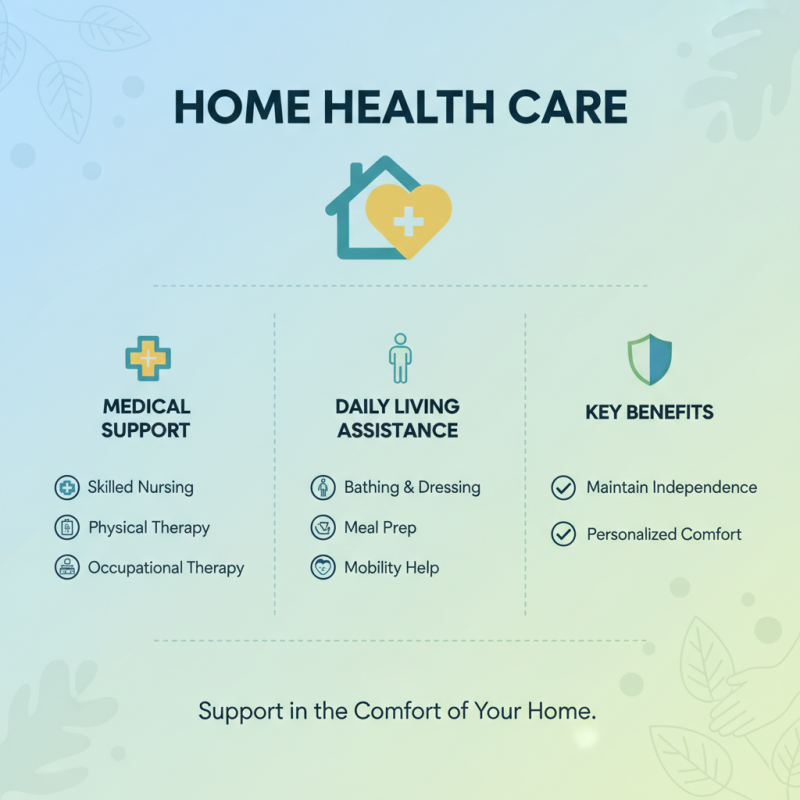
Home health care is a comprehensive service designed to support individuals in the comfort of their own homes. It encompasses a range of medical and non-medical services tailored to meet the specific needs of patients. These services can include skilled nursing care, physical therapy, occupational therapy, and assistance with daily activities such as bathing, dressing, and meal preparation. By providing these essential services, home health care allows individuals to maintain their independence while receiving necessary support, making it an appealing option for many families.
Understanding the concept of home health care is critical for families looking to enhance the quality of life for their loved ones. Home health care not only addresses medical needs but also focuses on the emotional and psychological well-being of individuals. Caregivers are trained to create personalized care plans that prioritize the preferences and requirements of each patient, ensuring a holistic approach to health management. This flexibility enables families to choose the level of care that best fits their loved ones’ needs, facilitating a more dignified and comfortable aging process. With home health care, families can enjoy peace of mind knowing their loved ones are receiving professional care in a familiar environment.
Key Differences Between Home Health Care and Other Care Options
Home health care is a vital service that provides medical and non-medical support to individuals in their own homes. It is distinct from other care options, such as nursing homes or assisted living facilities, which require individuals to reside away from their home. According to the National Association for Home Care & Hospice (NAHC), about 12 million people in the U.S. receive home health care, reflecting the growing preference for aging in place and personalized care. Home health care services can include skilled nursing, physical therapy, and aid with daily living activities, addressing both medical and emotional needs in a familiar setting.
One of the key differences between home health care and other care options is the level of personalized attention that patients receive. Research from the Home Health Alliance shows that patients in home health care report significantly higher satisfaction levels compared to those in institutional settings. Additionally, a study published in the journal “Health Affairs” found that patients receiving home health care had a 25% lower chance of being readmitted to hospitals, highlighting its effectiveness in maintaining health and preventing complications. The ability to receive care within the comfort of one's home not only enhances recovery but also promotes mental well-being, making home health care a compelling option for individuals and their families.
Benefits of Home Health Care for Seniors and Their Families
Home health care has emerged as a vital service for seniors, significantly enhancing their quality of life while providing comfort and support within their own homes. According to a report by the National Association for Home Care & Hospice, nearly 90% of older adults express a preference to age in place, and home health care allows them to do just that. This approach not only fosters independence but also promotes emotional well-being by reducing feelings of isolation that can occur in institutional settings.
For families, home health care offers substantial peace of mind. A study published by the Home Health Quality Improvement National Campaign revealed that 75% of family members felt better knowing their loved ones were receiving care in familiar surroundings. Additionally, home health care services adapt to individual needs, providing a range of support from personal care to skilled nursing, which ensures that seniors receive tailored assistance. This leads to improved medication adherence and health outcomes, reflecting in decreased hospital readmissions—by as much as 25%—for patients receiving home health services. Ultimately, these benefits contribute to enhanced satisfaction and a stronger family bond as caregivers can remain actively involved in their loved ones' lives.
Common Services Provided in Home Health Care Programs
Home health care is an essential resource for individuals who require assistance with daily activities due to aging, illness, or disability. The services provided in home health care programs can be tailored to meet the specific needs of clients, allowing them to maintain their independence and comfort in their own homes. The range of services may include skilled nursing, physical therapy, occupational therapy, and personal care assistance.
Skilled nursing services are often a cornerstone of home health care, where trained professionals monitor the patient’s medical conditions, administer medications, and provide wound care. Physical and occupational therapy are also integral parts of these programs, helping patients regain mobility, strength, and the ability to perform daily tasks.
Personal care services might include assistance with bathing, grooming, and meal preparation, ensuring that individuals receive the necessary support while promoting their dignity and quality of life. Overall, these services play a crucial role in enhancing the well-being of loved ones who are navigating health challenges at home.
How to Choose the Right Home Health Care Provider for Your Loved Ones
Choosing the right home health care provider for your loved ones is a crucial decision that can significantly affect their well-being. Start by assessing the specific needs of your family member, considering factors such as their medical conditions, daily living activities, and personal preferences. This initial evaluation will help you identify the type of services required, whether it’s skilled nursing, physical therapy, or assistance with daily tasks like bathing and meal preparation.
Once you have a clear understanding of the care needs, research potential providers in your area. Look for agencies that are licensed and accredited, as this ensures a standard of quality and compliance with healthcare regulations. It’s beneficial to read reviews and testimonials from other families to gauge the level of satisfaction with the services provided. Additionally, consider scheduling interviews with prospective caregivers to discuss their qualifications, experience, and approach to care. Trust and communication are key components in this relationship, so finding someone who resonates well with your loved one is essential for a positive caregiving experience.