How to Help Home Care Improve Quality of Life for Seniors?
As our loved ones age, their needs evolve. Quality of life for seniors can diminish without the right support. Home care services play a crucial role in enhancing daily living. The aim is to help home care providers understand these needs better.
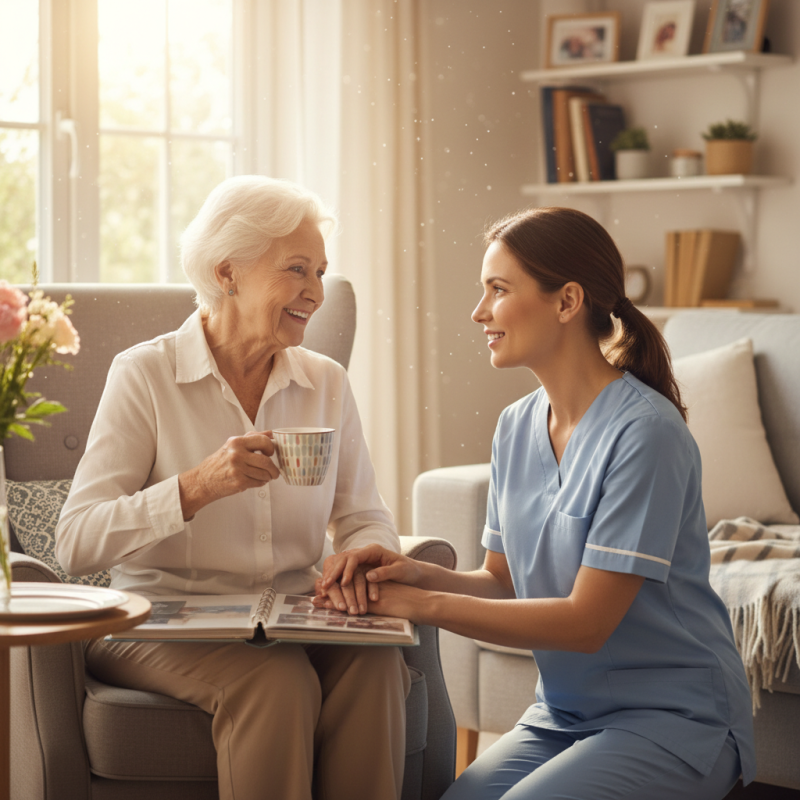
Providing companionship is essential. Many seniors feel isolated. Regular visits can brighten their day. Simple conversations can lift their spirits. Additionally, physical assistance with daily tasks shows that someone cares. It is important to be attentive to their preferences.
However, challenges abound. Some caregivers may not know how to engage seniors effectively. Training becomes vital for improving interaction skills. Care plans should be flexible, adapting to changes in the client’s condition. This approach helps home care create a supportive environment, encouraging independence and joy.
Understanding the Role of Home Care in Senior Well-Being
Home care plays a critical role in enhancing the well-being of seniors. With the global aging population projected to reach 2.1 billion by 2050, the demand for effective home care services is increasing. Studies show that 90% of seniors prefer aging at home rather than in a facility. This desire highlights the importance of personalized care in promoting independence and dignity.
Tips for effective home care include fostering social connections. A regular visit from caregivers can combat loneliness, which 43% of seniors experience. Engaging seniors in hobbies or community activities can also improve their mood and cognitive function. Encouraging regular physical activity is essential. Simple exercises can boost strength and mobility.
However, challenges exist. Caregivers must be aware of their limitations. Many may feel overwhelmed by the emotional demands of their role. Continuous training and support are crucial for both caregivers and families. Proper communication can help address needs effectively. Regular check-ins can ensure that seniors’ evolving needs are met. Creating a nurturing atmosphere is a shared responsibility.
How to Help Home Care Improve Quality of Life for Seniors? - Understanding the Role of Home Care in Senior Well-Being
| Aspect |
Description |
Benefits |
| Personalized Care Plans |
Customized care plans tailored to individual needs and preferences. |
Enhances comfort and satisfaction, ensuring seniors receive the specific help they require. |
| Social Interaction |
Regular visits and communication from caregivers can help reduce feelings of loneliness. |
Improves mental health and emotional well-being, fostering a sense of connection. |
| Assistance with Daily Activities |
Help with activities such as bathing, dressing, and housekeeping. |
Promotes independence and safety, reducing the risk of accidents. |
| Medication Management |
Support with medication schedules and reminders to take prescriptions. |
Ensures adherence to treatment plans, which can lead to better health outcomes. |
| Physical Activity Support |
Encouragement and supervision of light exercises or physical activities. |
Improves mobility, strength, and overall physical health for seniors. |
Key Services Offered by Home Care Providers for Seniors
Home care services play an essential role in enhancing the quality of life for seniors. Personal care assistance is a key service offered. This includes daily tasks like bathing, dressing, and grooming. Such support allows seniors to maintain independence while ensuring their basic needs are met.
Companionship is another vital aspect of home care. Social interaction can combat loneliness, which is common among the elderly. Caregivers can engage seniors in conversation or activities they enjoy, bringing joy and stimulation to their day. Additionally, meal preparation is crucial. Nutrition significantly impacts health; caregivers can prepare balanced meals tailored to individual dietary needs.
Medication management is often overlooked. Seniors may struggle with complex medication schedules. Clear instructions from a caregiver can prevent mistakes. However, this system may not always be foolproof. It can fall short if communication is unclear or if instructions are misunderstood. Ultimately, home care services can greatly improve seniors' well-being, but continuous evaluation and adaptation are necessary to meet their evolving needs.
Enhancing Social Connections Through Home Care Support
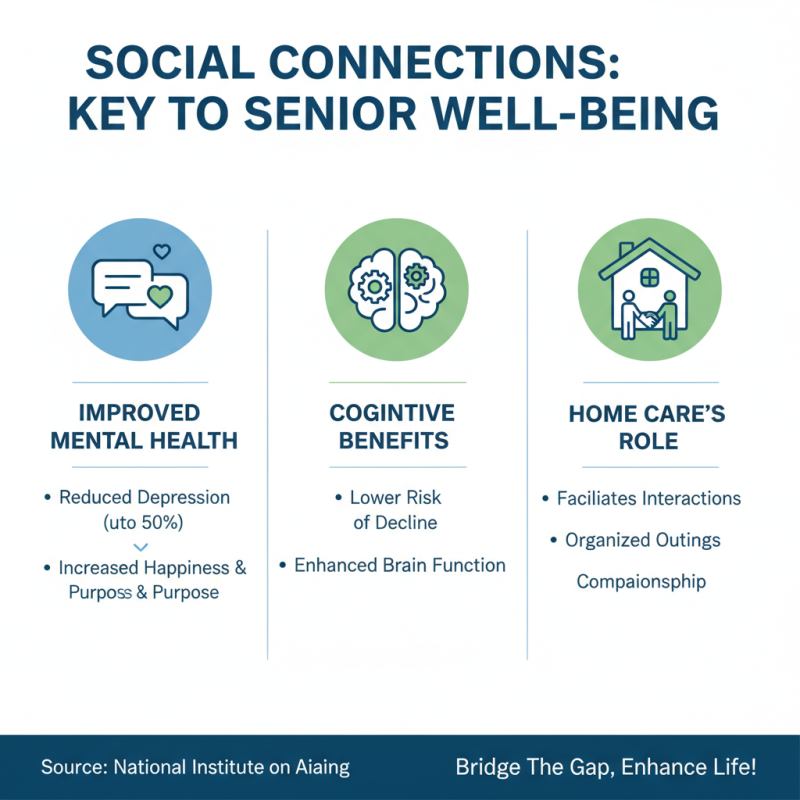
Social connections play a crucial role in enhancing the quality of life for seniors. Studies show that seniors who have strong social ties experience improved mental health and a lower risk of cognitive decline. According to a report by the National Institute on Aging, social engagement can reduce depression rates by up to 50%. Home care services can effectively bridge the gap, fostering social interactions that might otherwise diminish.
One way to facilitate this connection is through regular visits from caregivers. These caregivers can engage seniors in meaningful conversations, share experiences, and even encourage participation in local community events. Having a reliable companion can transform a lonely day into a moment of joy. Small group activities can also be organized by caregivers, offering a platform for seniors to share stories and forge friendships.
**Tips for enhancing social connections:**
- Encourage family members to connect regularly, whether through video calls or visits.
- Organize activity days that include games, crafts, or music, allowing seniors to enjoy shared experiences.
- Create a buddy system, pairing seniors with similar interests for deeper connections.
Ensuring seniors have vibrant social lives may seem daunting. Some may resist new interactions due to fear or anxiety. Understanding these feelings is essential. Open discussions about their preferences can make a significant difference. Building connections does require effort, but the rewards are profound.
Promoting Physical Health: Activities and Nutrition for Seniors
Promoting physical health for seniors is crucial for enhancing their quality of life. Regular physical activity can reduce risks of chronic diseases. Studies show that seniors who engage in moderate exercise experience improved cardiovascular health. This includes activities like walking, gardening, or even chair yoga. A recent report indicated that 60% of seniors are inactive. This inactivity can lead to mobility issues and depression.
Nutrition plays a significant role in physical health. Seniors often face dietary challenges that may affect their well-being. A balanced diet rich in fruits, vegetables, and whole grains is essential. Reports suggest that proper nutrition can reduce healthcare costs by up to 25%. However, many seniors do not consume enough nutrients. Ensuring access to healthy meals is vital.
Tips: Encourage a daily routine of light exercises tailored to seniors’ abilities. Incorporate social aspects, like group activities. Meal planning can help maintain a healthy diet. Consider creating simple, nutritious recipes that seniors can prepare easily. Adapting meals to their preferences can enhance enjoyment and adherence.
Emotional Support and Mental Health Strategies in Home Care
Emotional support is vital for seniors receiving home care. Many elderly individuals feel isolated. This loneliness can lead to sadness and anxiety. Care providers can play a crucial role in combating these feelings. Simple gestures, like listening and engaging in conversation, can create a meaningful connection. Spending quality time together is important, even if it’s just watching a favorite show.
Mental health strategies can significantly improve a senior’s quality of life. Activities such as art therapy can help express feelings. Writing in a journal offers a safe way to articulate thoughts. Encouraging physical activities, even light exercise, can uplift spirits. Regular social interactions, even with family, can make a big difference. However, creating the right environment is not always easy. Each situation is unique and requires patience.
Caregivers may sometimes overlook their own emotional needs. They can feel overwhelmed and fatigued. Finding balance is essential for both seniors and caregivers. Open dialogue about feelings can promote understanding. Continuous support and resources should be made available. This helps ensure that emotional well-being is prioritized at home. The journey to enhance mental health in home care is ongoing and requires commitment from everyone involved.