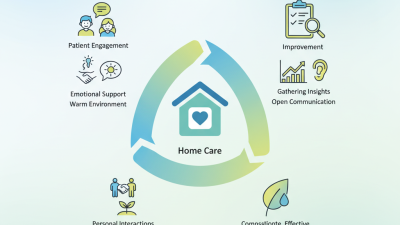
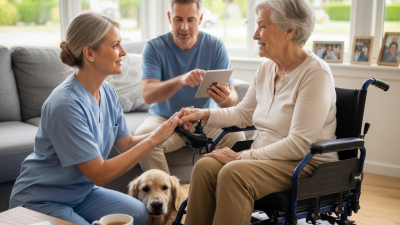
What is Home Care and How Does It Benefit Patients?
Home care services have become increasingly vital in today’s healthcare landscape. According to the National Association for Home Care & Hospice, around 12 million Americans rely on home care services. This sector offers personalized support, allowing patients to receive care in the comfort of their homes. The home care industry addresses diverse needs, ranging from assistance with daily activities to skilled nursing care.
The benefits of the home care model are significant. Research from the American Association for Homecare indicates that patients receiving home care experience fewer hospital readmissions. Moreover, they often report higher satisfaction levels compared to those in institutional settings. However, despite these advantages, challenges remain. Not all patients have access to the same quality of home care services, raising concerns about consistency and reliability.
The home care environment requires constant evaluation and improvement. As the population ages, expanding these services is necessary. More training for caregivers and standardized protocols can enhance the quality of care. Providing better support systems will ultimately allow the home care industry to meet increasing demands and improve patient outcomes effectively.
Definition of Home Care: Understanding Its Scope and Services
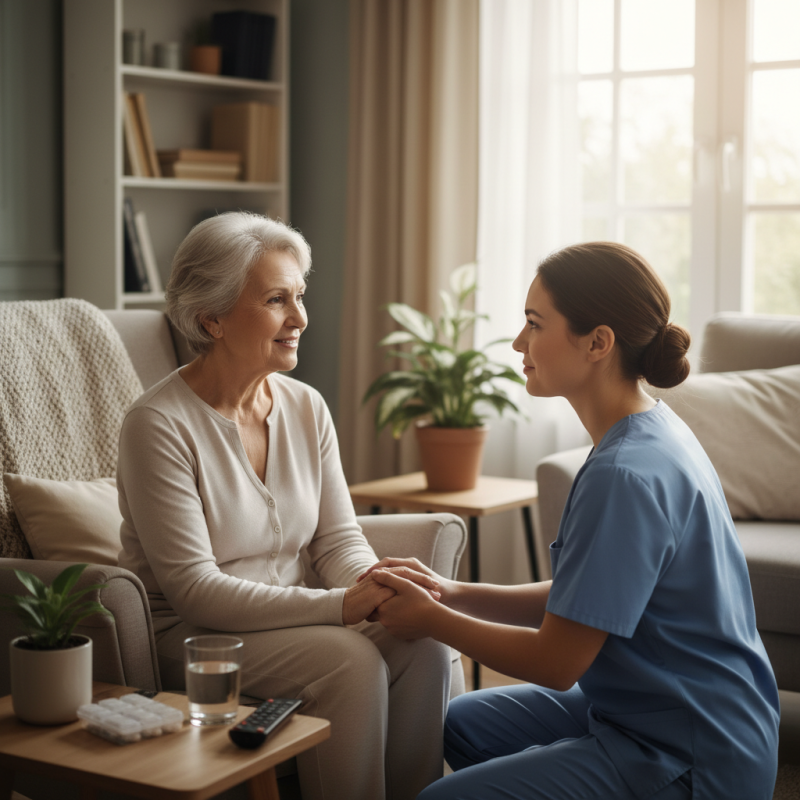
Home care refers to health and supportive services delivered in a patient’s home. It encompasses a range of options, including medical assistance, rehabilitation, and personal care. According to a 2022 report by the Home Care Association, approximately 12 million people in the U.S. receive home care services. These services enable patients to maintain their independence while ensuring they receive appropriate care.
The scope of home care is extensive. It includes skilled nursing, physical therapy, and companionship. A survey by AARP found that 76% of older adults prefer to age at home. Home care not only supports physical health but also promotes emotional well-being. Many patients feel more comfortable and less anxious in familiar surroundings. Yet, not every patient may thrive in a home care setting. Some may require more intensive supervision or specialized treatments, which can be challenging to provide at home.
Recent data indicates that home care can lead to reduced hospital readmissions. Patients receiving home-based care have a 25% lower readmission rate compared to those in traditional nursing facilities. However, challenges such as caregiver burnout and inadequate training persist. Addressing these issues is crucial for improving the quality of home care services. The effectiveness of home care relies on well-trained caregivers and appropriate care plans tailored to individual needs.
Types of Home Care: Different Models Tailored to Patient Needs
Home care encompasses various services designed to provide support for patients in their own homes. This approach is particularly beneficial for elderly individuals, as it allows them to maintain independence while receiving necessary medical assistance. According to the National Association for Home Care & Hospice, over 12 million Americans utilize home care services, illustrating its growing importance in healthcare.
Different types of home care models cater to diverse patient needs. Skilled nursing care is one such model, delivering medical services by licensed professionals. In contrast, personal care focuses on assisting with daily living activities. Research shows that personalized home care plans enhance patient outcomes. A study published in the Journal of Aging Research indicated that patients receiving tailored services often report higher satisfaction levels.
Despite its benefits, home care is not without challenges. Quality of care can vary significantly across providers. A survey by the Centers for Medicare & Medicaid Services revealed that only 70% of home care agencies meet safety and performance standards. This inconsistency necessitates careful consideration when choosing a service. It’s essential to assess an agency’s qualifications and reputation to ensure optimal care.
Benefits of Home Care: Enhancing Quality of Life for Patients
Home care offers numerous advantages that significantly enhance patients' quality of life. According to the National Association for Home Care & Hospice, over 12 million individuals in the U.S. rely on home care services. These services adapt to patients' specific needs, providing personalized support that promotes independence and comfort. Research indicates that 90% of seniors prefer to age at home. This preference underlines the emotional and psychological benefits of receiving care in familiar surroundings.
Patients who utilize home care often experience improved health outcomes. A study from the Home Care Association reveals that home care can reduce hospital admissions by 25%. This is crucial for individuals managing chronic conditions. Additionally, the presence of caregivers can help with medication management and routine health checks, reducing complications. A more stable living situation fosters a better healing environment.
Tips for selecting home care include researching qualified agencies and checking references. Communicating openly with care providers is essential in establishing trust. Also, consider family involvement; having loved ones participate in care can improve both emotional support and overall well-being. These factors can create a better home care experience tailored to individual needs.
Role of Caregivers in Home Care: Support and Compassion
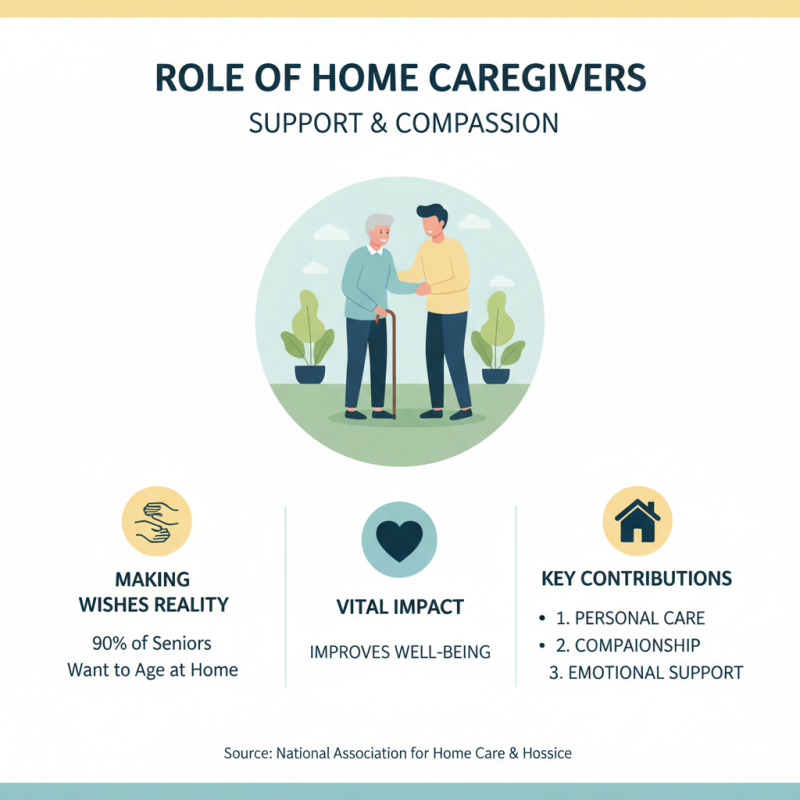
The role of caregivers in home care is vital. They provide support and compassion that significantly impacts patients' well-being. According to the National Association for Home Care & Hospice, 90% of seniors want to age at home. Caregivers help make this wish a reality. They offer personal care, companionship, and emotional support.
Support from caregivers can lead to improved health outcomes. A report from the AARP indicates that seniors receiving home care experience fewer hospitalizations. This reduces healthcare costs and enhances quality of life. Caregivers also help patients manage chronic conditions and medication schedules, which requires attention and patience. This daily involvement plays a crucial role in recovery and maintaining independence.
However, the caregiver experience is not without challenges. Many caregivers report feelings of isolation and burnout. Approximately 30% of family caregivers suffer from depression, according to the Family Caregiver Alliance. As they navigate the complexities of caregiving, it is essential to promote their well-being as well. Ensuring proper support systems can alleviate some burdens and foster a healthier environment for both caregivers and patients.
Navigating Home Care Services: How to Choose the Right Option
When navigating home care services, it is essential to find the right fit for your needs. Start by assessing the specific requirements of the patient. Consider their medical condition and daily activities. This evaluation will guide you in choosing between skilled nursing care, personal care, or specialized therapy.
Tips: Make a list of essential needs. Prioritize aspects such as mobility assistance or medication management. This clarity will simplify your decision-making process.
Visit potential providers if possible. Speaking with caregivers offers insights into their training and expertise. Ask about their experience with similar cases. This direct interaction helps gauge their reliability and professionalism.
Tips: Don't shy away from asking questions. Inquire about staff training and support systems. Understanding their approach can highlight their commitment to quality care. Remember, it's okay to feel confused. The options can seem overwhelming. Taking your time will lead to a better choice for everyone involved.