Why Choose Elderly Home Care for Your Loved Ones?
Choosing elderly home care for your loved ones is a significant decision. Many families face challenges when their relatives grow older. It can be tough to provide the needed support while balancing personal lives. Elderly home care offers a practical solution.
This option allows seniors to stay in a familiar environment. They can maintain their routines, which fosters a sense of security. Caregivers provide help with daily tasks, ensuring safety and comfort. However, not all home care services are the same. Families must evaluate the quality of care, especially emotional and physical support.
While elderly home care can be beneficial, it also poses challenges. Some families may feel guilty about not providing care themselves. There are questions of trust and reliability. Ultimately, the focus should be on the well-being of the loved one. Finding the right elderly home care can lead to a more positive quality of life.
Understanding Elderly Home Care: A Comprehensive Overview
Elderly home care offers a personalized approach to support aging loved ones. This service addresses various needs, from daily activities to medical assistance. Care can be tailored based on individual preferences, ensuring a comfortable environment. Family members, often stressed and busy, find peace of mind in knowing their loved ones receive dedicated attention.
As people age, challenges arise. Some struggle with memory loss, while others may face mobility issues. Home care allows seniors to remain in familiar surroundings. This promotes independence and eases the loneliness many feel in larger care facilities. However, there are dilemmas to consider. Sometimes, home care can feel invasive or overwhelming, changing family dynamics. It's crucial to assess how the situation impacts everyone involved.
Building a supportive atmosphere requires open communication. Caregivers should provide regular updates to family members. This collaboration helps identify areas for improvement. Sometimes, adjusting care routines becomes necessary. Learning together ensures that loved ones receive the most suitable care. Elderly home care adapts and evolves, achieving a balance between support and respect for independence.
Key Benefits of Choosing Home Care for Seniors: Data and Insights
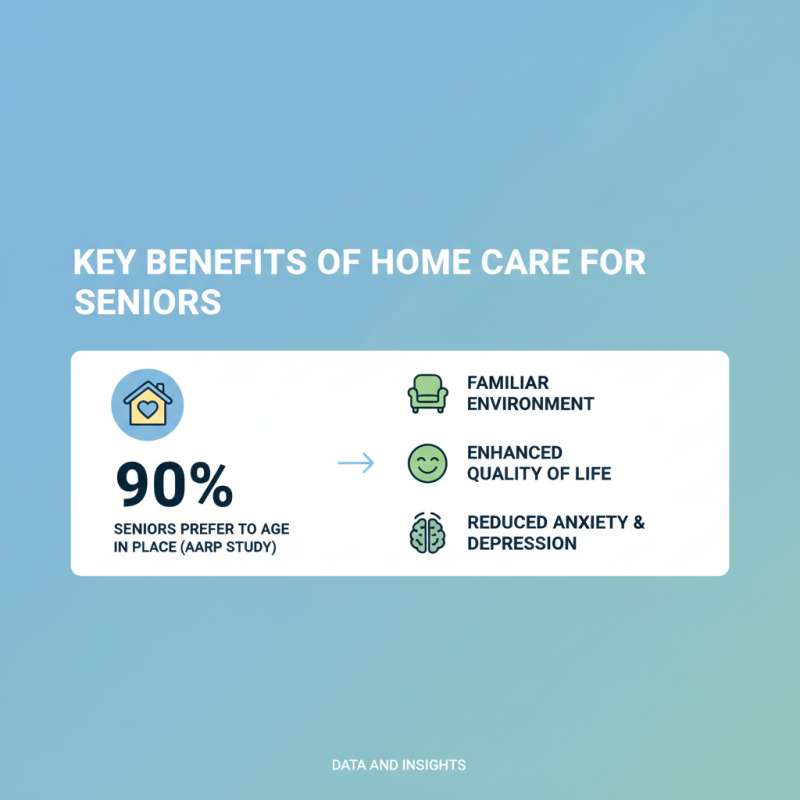
Choosing home care for seniors is a decision that many families face. According to a study by AARP, approximately 90% of older adults prefer to age in place. Home care provides a familiar environment that fosters comfort. This familiarity can significantly enhance the quality of life for seniors, reducing feelings of anxiety and depression.
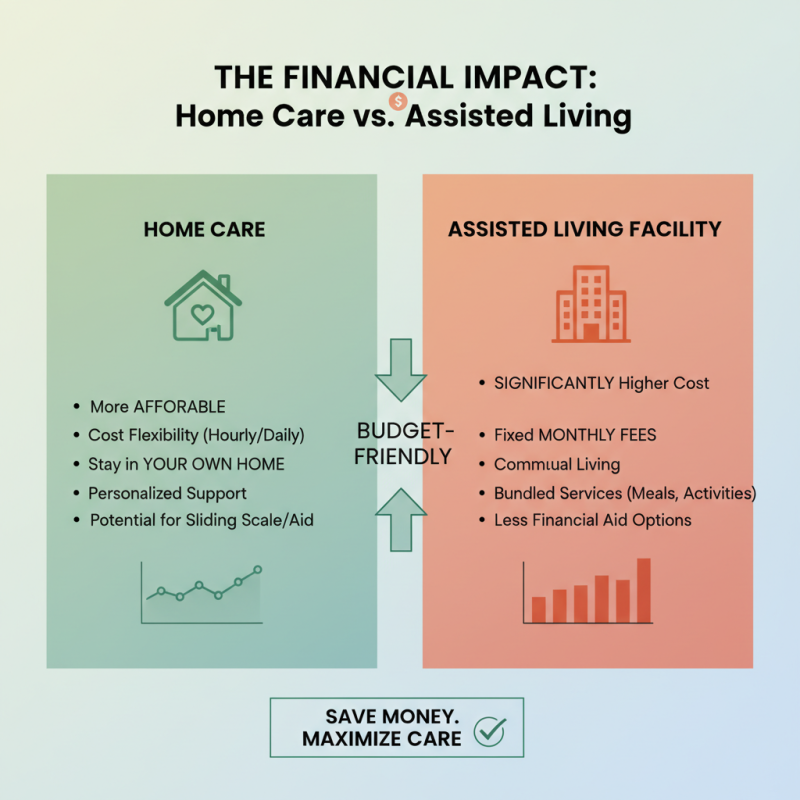
Research indicates that home care can be cost-effective. The Genworth Cost of Care Survey reveals that in-home services can save families up to 50% compared to assisted living facilities. Many families find this financial relief is essential. With the added benefit of personalized care, seniors receive tailored support that meets their individual needs.
However, home care is not without challenges. Families often face difficulties in assessing the right level of care needed. Misunderstandings can arise about care options available. Some caregivers may not have adequate training, which leads to mixed feelings about care quality. This reality prompts families to reflect on their choices and the level of support they truly need for their loved ones.
The Financial Impact of Home Care vs. Assisted Living Facilities
Choosing elderly home care can significantly affect family finances. Many families are caught off guard by the costs of assisted living facilities. Monthly fees can quickly add up and may not align with a family’s budget. Home care, on the other hand, often provides a more affordable option. It allows seniors to live in their own homes while still receiving daily support. This model can be flexible, adapting to the specific needs of each individual.
Many people feel ambivalent about transitioning a loved one to assisted living. The emotional weight of such a decision often clouds financial logic. For some, home care offers a peace of mind that no facility can replicate. Families can avoid large deposits and ongoing fees. Yet, some might worry about the adequacy of care at home. This is a valid concern. Living at home can sometimes require more effort in finding reliable help. It’s essential to weigh these considerations carefully. An imperfect solution might still serve as a better fit for some families.
Quality of Life Improvements with Elderly Home Care Services
Elderly home care services greatly enhance the quality of life for seniors. According to a study by the National Institute on Aging, nearly 90% of seniors prefer aging in place. This preference emphasizes the need for quality care at home. Home care services provide personalized assistance. Caregivers help with daily activities, medication management, and companionship. This support leads to increased independence for the elderly.
Furthermore, a report from the AARP highlighted that seniors receiving home care experience a significant decrease in feelings of loneliness. Many elderly individuals are at risk of social isolation. The presence of a caregiver combats this isolation. Engaging in social activities improves their mental health. Home care can facilitate community involvement, ensuring a better overall experience at home.
However, there are challenges. Some families may struggle to find reliable caregivers. Not every service meets the same standards. Ensuring quality care takes research and effort. Families must consider various factors, such as caregiver training and backgrounds, to choose wisely. The journey toward quality home care is not always straightforward, but the rewards for both seniors and their families can be immense.
Why Choose Elderly Home Care for Your Loved Ones? - Quality of Life Improvements with Elderly Home Care Services
| Feature |
Description |
Benefits |
| Personalized Care Plans |
Customized care tailored to individual needs. |
Enhances well-being and supports specific health conditions. |
| Companionship |
Caregivers provide social interaction and companionship. |
Reduces feelings of loneliness and isolation. |
| Medication Management |
Ensuring proper medication intake and adherence. |
Improves health outcomes and prevents medication errors. |
| Household Support |
Assistance with daily living activities and chores. |
Promotes independence and comfort in a familiar environment. |
| Physical Therapy |
Rehabilitation support to maintain mobility and strength. |
Aids recovery and enhances physical performance. |
| Nutritional Support |
Meal planning and preparation tailored to dietary needs. |
Improves health and energy levels through proper nutrition. |
Statistics on Aging Population and Demand for Home Care Solutions
As our population ages, the need for elderly home care grows. According to recent statistics, nearly 25% of people in the U.S. are projected to be 65 or older by 2030. This surge in the aging population significantly increases the demand for home care solutions. Many families struggle to balance work and caregiving. Finding suitable elderly care can feel overwhelming.
Consider these tips when exploring home care. First, assess your loved one’s needs carefully. Every individual is different. Take time to evaluate their medical conditions and daily living requirements. This insight helps in making informed choices. Also, involve your loved one in the decision-making process. Their preferences matter. It fosters a sense of independence, which is crucial for their well-being.
It’s essential to recognize that not every care service fits every person. Some might require more specialized support than others. Be prepared to adjust as needs change. Flexibility is key. Understanding this can lead to better outcomes for your loved ones. The journey may not always be perfect, but thoughtful planning can lead to a satisfying caregiving experience.