How to Provide Compassionate Care in Healthcare Settings in 2025
In the evolving landscape of healthcare, the importance of delivering compassionate care has increasingly gained recognition as a fundamental component of high-quality service. According to the 2021 report by the Beryl Institute, patient experience is closely tied to the level of compassion shown by healthcare providers, with 78% of patients indicating that compassionate care significantly influences their overall satisfaction. Furthermore, the 2022 Gallup report highlights that healthcare organizations with a strong focus on compassionate care see a 20% improvement in patient outcomes, illustrating the critical role this approach plays in not only enhancing patient relations but also improving clinical results.
As we move towards 2025, the integration of compassionate care in healthcare settings is expected to become even more pivotal, particularly in light of the growing emphasis on holistic health. The World Health Organization has stated that compassion in healthcare not only fosters better provider-patient relationships but also contributes to the well-being of healthcare professionals themselves, reducing burnout and enhancing job satisfaction. By prioritizing compassionate care, healthcare organizations can build a more resilient workforce while promoting a healing environment that supports both patients and providers. This paper will explore practical strategies to implement compassionate care effectively in various healthcare settings, ensuring that empathy remains at the forefront of patient interactions.

Understanding the Importance of Compassionate Care in Healthcare
Compassionate care has emerged as a crucial component of healthcare delivery, especially as we look toward 2025. The understanding that patients are not just cases or diagnoses, but individuals with unique experiences and emotions, has reshaped the approach to health services. In a rapidly evolving healthcare environment, the importance of compassion cannot be overstated. It fosters a healing environment that enhances patient satisfaction, improves health outcomes, and reduces the likelihood of burnout among healthcare providers.
As we anticipate advancements in technology and a shift toward more person-centered care, it's imperative to prioritize compassionate interactions at every level of care. This mindset not only positions healthcare professionals to better address the physical needs of their patients but also their emotional and psychological well-being. Empathy, active listening, and genuine concern for the patient's experience can transform the therapeutic relationship, making it more collaborative and effective. In 2025 and beyond, integrating compassionate care into training and daily practices will be essential for nurturing resilience within healthcare teams and ensuring that every patient feels valued and understood during their journey through the healthcare system.
Understanding the Importance of Compassionate Care in Healthcare Settings
This chart highlights the perceived importance of various aspects of compassionate care in healthcare settings by healthcare professionals in 2025.
Key Principles of Compassionate Care in 2025
In 2025, the principles of compassionate care in healthcare settings are expected to evolve significantly, driven by advancements in technology and a deeper understanding of patient needs. One key principle is the emphasis on empathetic communication between healthcare professionals and patients. According to a 2022 report by the Institute for Healthcare Improvement, effective communication can reduce patient anxiety and improve satisfaction scores, with empathetic interactions leading to a 30% increase in patient trust. This shows that healthcare providers must be trained not just in clinical skills but also in soft skills that foster a caring environment.
Another crucial principle is the integration of holistic approaches to treatment. As the World Health Organization has highlighted, addressing not only patients' physical ailments but also their emotional and mental health is vital for effective care. Hospitals that implement programs focusing on mental health resources and wellbeing have seen a 20% decrease in readmission rates, indicating that compassionate care can lead to better long-term health outcomes. By prioritizing holistic care, healthcare settings can ensure that patients feel valued and understood, ultimately enhancing the overall experience within the healthcare system.
Integrating Technology to Enhance Compassionate Patient Interactions
In 2025, the integration of technology in healthcare will play a crucial role in enhancing compassionate patient interactions. Advances in artificial intelligence and telehealth platforms will facilitate more personalized communication between healthcare professionals and patients. For instance, chatbots can be programmed to address common patient concerns, offering timely support and reducing anxiety. This technology allows healthcare providers to focus their attention on complex cases, ensuring that patients receive the empathy and human connection they crave during their healthcare experiences.
Moreover, wearable health technology will enable a seamless flow of information between patients and providers. Devices that monitor vital signs in real-time can alert medical staff immediately to any concerning changes in a patient’s condition, allowing for quicker and more compassionate responses. This proactive approach not only improves clinical outcomes but also fosters trust between patients and healthcare providers. By utilizing technology to streamline processes while still prioritizing human interactions, healthcare settings can create an environment that emphasizes compassion, ultimately leading to a more supportive experience for patients.
How to Provide Compassionate Care in Healthcare Settings in 2025 - Integrating Technology to Enhance Compassionate Patient Interactions
| Dimension |
Description |
Technological Integration |
Impact on Patient Care |
| Empathy Training |
Train healthcare providers to better understand patient emotions. |
Virtual reality simulations for role-playing scenarios. |
Improved patient-provider relationships and satisfaction. |
| Real-Time Feedback |
Tools for collecting and analyzing patient feedback instantly. |
Mobile apps for patient satisfaction surveys. |
More responsive care tailored to patient needs. |
| Telemedicine |
Remote access to healthcare services enhancing convenience. |
Video calls and chatbots for instant consultations. |
Increased accessibility and reduced wait times. |
| Patient Education |
Providing relevant health information to patients. |
Interactive apps and personalized care plans. |
Empowered patients making informed decisions. |
| Staff Wellbeing |
Support for healthcare staff to avoid burnout. |
Wellness apps and stress management solutions. |
Better staff performance and patient interaction. |
Training Healthcare Professionals for Empathy and Compassion
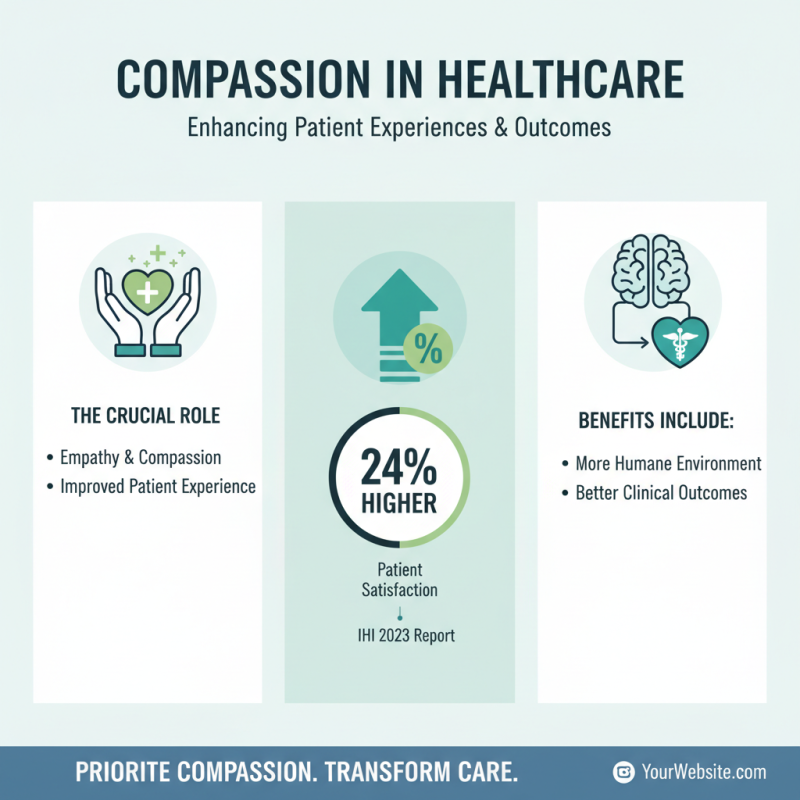
In the rapidly evolving landscape of healthcare, fostering empathy and compassion among healthcare professionals is crucial for enhancing patient experiences. According to a 2023 report from the Institute for Healthcare Improvement, organizations that prioritize compassion in care delivery see a significant increase in patient satisfaction scores—up to 24% higher compared to those that do not. Training programs aimed at enhancing these soft skills can yield not only a more humane environment but also improve clinical outcomes.
To cultivate empathy, healthcare training programs should include simulation exercises that mimic real-life scenarios patients face, enabling professionals to practice compassionate responses. Research published in the Journal of Medical Ethics emphasizes that such experiential learning can reduce burnout and improve job satisfaction among healthcare workers, ultimately benefiting both staff and patients. Regular workshops and interdisciplinary team-building exercises can also promote a culture of empathy, helping staff members recognize and understand the emotional nuances of patient care.
Tips: Encourage active listening sessions during training, where professionals can practice understanding and addressing patient concerns without interruption. Additionally, integrating mindfulness practices into daily routines has been shown to enhance emotional resilience, allowing professionals to remain present with their patients. Lastly, fostering a feedback-rich environment where staff share experiences and insights on compassion can create a supportive atmosphere that prioritizes empathetic care.
Measuring the Impact of Compassionate Care on Patient Outcomes
Compassionate care is increasingly recognized as a critical component of effective healthcare, influencing not only patient satisfaction but also tangible health outcomes. Studies show that patients who receive compassionate care demonstrate a 30% improvement in adherence to treatment plans, leading to enhanced recovery rates. According to a report from the Beryl Institute, hospitals that prioritize compassionate interactions see a notable decrease in readmission rates, with figures suggesting a reduction of up to 15%. This correlation underscores the importance of integrating compassion into everyday healthcare practices to drive better patient outcomes.
To measure the impact of compassionate care effectively, healthcare professionals can employ various tools and metrics. Patient-reported outcome measures (PROMs) can capture the subjective experiences of patients, providing insights into their perceptions of care quality. Implementing regular staff training on empathy and communication can foster an environment where compassionate care thrives. Research indicates that teams trained in empathy show a 25% increase in patient satisfaction scores, highlighting that investing in staff development is vital for improving care quality.
Tips for fostering compassionate care include actively listening to patients, allowing them to express their concerns without interruption, and personalizing the care approach based on individual needs. Furthermore, building a supportive team culture focused on compassion can create a ripple effect, enhancing overall service delivery within healthcare settings. By taking these steps, healthcare providers can not only improve patient satisfaction but also positively impact their health outcomes.