Why Compassionate Care is Essential for Healing and Patient Wellbeing
In today’s healthcare landscape, the importance of compassionate care cannot be overstated. As the esteemed Dr. Helen Riess, a leading expert in empathy and compassionate healthcare, has noted, “Compassionate care is not just a nicety; it is a necessity for healing.” This perspective underscores the profound impact that empathy and understanding can have on patient recovery and overall wellbeing. When healthcare providers engage in compassionate care, they create an environment where patients feel valued, heard, and supported, which significantly enhances the therapeutic process.
The act of delivering compassionate care goes beyond merely treating physical ailments; it encompasses addressing emotional and psychological needs as well. Studies have shown that patients who receive compassionate care tend to experience lower levels of anxiety and depression, leading to more positive health outcomes. This holistic approach reinforces the idea that healing is not solely a clinical process, but a deeply personal journey. By fostering relationships built on trust and empathy, healthcare professionals can facilitate more effective patient engagement and compliance with treatment plans, thereby reinforcing the essential role of compassionate care in healing and wellbeing.

The Concept of Compassionate Care in Healthcare Settings
Compassionate care in healthcare settings is a multifaceted concept that transcends mere clinical treatment. It encompasses understanding, empathy, and respect for patients as whole individuals rather than just their medical conditions. At its core, compassionate care acknowledges the emotional and psychological aspects of healing, recognizing that patients often face fear, anxiety, and uncertainty during their medical journeys. By fostering a supportive environment, healthcare professionals can significantly enhance the overall patient experience, promoting not only physical recovery but also emotional resilience.
Implementing compassionate care requires training and a commitment to empathy from all staff within a healthcare facility. This includes active listening, being present with patients, and recognizing their unique stories and contexts. Such practices can lead to stronger patient-provider relationships, enabling clearer communication and better outcomes. Furthermore, a compassionate approach can alleviate feelings of isolation and helplessness that patients may encounter, creating a healing atmosphere that promotes wellbeing. When healthcare professionals prioritize compassion in their interactions, they contribute to a culture of care that ultimately benefits both patients and providers alike, reinforcing the notion that health and healing are deeply rooted in the connections we build.
Why Compassionate Care is Essential for Healing and Patient Wellbeing
| Dimension |
Importance |
Impact on Healing |
Patient Wellbeing |
| Emotional Support |
Reduces anxiety and fear |
Enhances overall recovery |
Promotes a positive outlook |
| Empathy from Staff |
Builds trust and rapport |
Improves adherence to treatment |
Fosters emotional healing |
| Patient Engagement |
Encourages active participation |
Leads to better outcomes |
Enhances overall satisfaction |
| Holistic Approach |
Addresses physical and psychological needs |
Supports comprehensive health |
Improves quality of life |
| Continuity of Care |
Ensures consistent support |
Facilitates effective management |
Strengthens the patient-provider relationship |
The Psychological Benefits of Compassionate Care for Patients
Compassionate care plays a pivotal role in the healing process, with substantial psychological benefits for patients. Research indicates that patients who receive compassionate care experience lower levels of
anxiety and depression, significantly enhancing their overall wellbeing. A study published in the Journal of Health Psychology found that patients who reported feeling cared for were
25% more likely to express satisfaction with their care experience. This sense of connection not only relieves emotional distress but also fosters a more conducive environment for physical healing.
Moreover, compassionate care has been shown to positively impact patient outcomes. According to a report by the Health Affairs journal, patients who felt a sense of empathy from their caregivers had shorter hospital stays and required fewer pain medications. The establishment of trust through compassionate interactions can lead to increased adherence to treatment plans and better health outcomes.
As healthcare continues to evolve, prioritizing compassionate care is essential, as the psychological advantages it offers contribute significantly to both patient satisfaction and recovery trajectories.
How Compassionate Care Enhances Physical Healing and Recovery
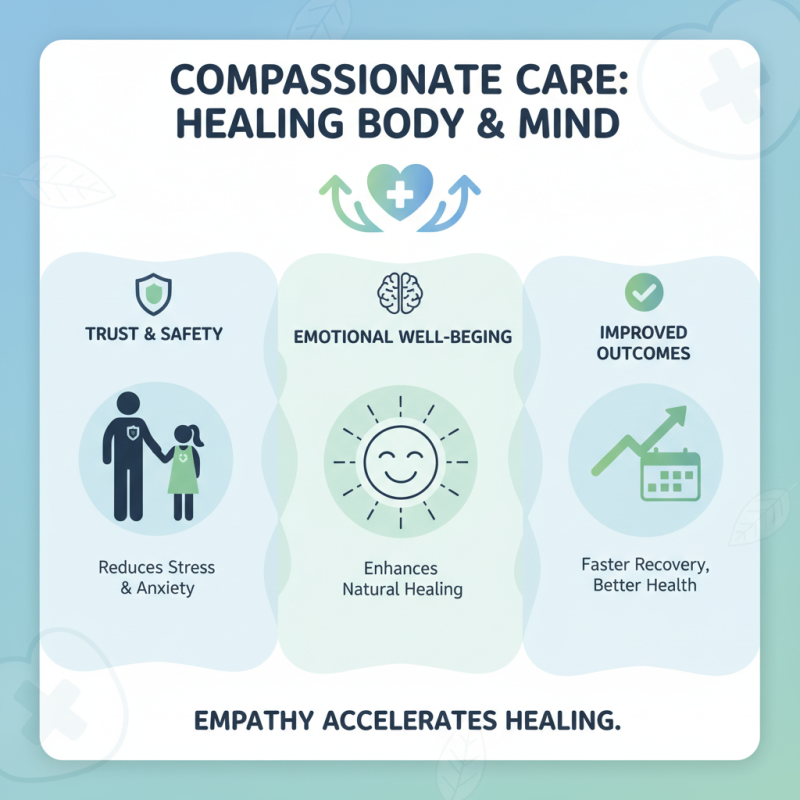
Compassionate care plays a critical role in enhancing physical healing and recovery, acting as a vital component of effective healthcare. When patients receive empathetic support from healthcare providers, it fosters a sense of trust and safety, which can significantly reduce stress and anxiety. This emotional comfort is essential, as high levels of stress can impede the body's natural healing processes. Studies have shown that when patients feel understood and valued, their bodies often respond more positively to treatment, leading to shorter recovery times and improved health outcomes.
Moreover, the practice of compassionate care can directly influence patients’ physiological responses. The presence of compassion helps to lower levels of cortisol, the stress hormone, while boosting the production of oxytocin, which promotes feelings of connection and wellbeing. This biochemical balance can enhance immune function and facilitate quicker recovery from illness or surgery. Ultimately, compassionate interactions not only address the physical aspects of healing but also nurture the emotional needs of patients, culminating in a more holistic approach to health and recovery.
Training Healthcare Professionals in Compassionate Patient Interaction
Training healthcare professionals in compassionate patient interaction is crucial for fostering an environment conducive to healing and patient well-being. Compassionate care goes beyond clinical skills; it involves emotional intelligence, empathy, and active listening. By equipping healthcare workers with the ability to connect deeply with their patients, institutions can significantly enhance the overall healthcare experience. Training programs should not only focus on technical competencies but also emphasize the importance of understanding patients' emotional and psychological needs.
**Tips for Training in Compassionate Care:**
1. Incorporate role-playing exercises that simulate real-life patient interactions. This practice helps healthcare professionals to develop empathy and understand diverse patient perspectives.
2. Encourage reflective practices through journaling or group discussions. This allows professionals to process their experiences and recognize the emotional aspects of patient care.
3. Implement ongoing workshops focusing on communication skills and emotional intelligence, enabling healthcare workers to refine their compassionate care techniques continuously.
Creating a culture of compassion within healthcare teams requires consistent training and dedication to patient-centered practices. Ultimately, enhancing compassionate care through targeted training not only benefits patients but also contributes to healthcare professionals' job satisfaction and emotional resilience.
Importance of Compassionate Care in Healthcare
This bar chart illustrates the impact of compassionate care on various dimensions of patient care, showing how essential it is for enhancing patient satisfaction, emotional wellbeing, and recovery speed. Training healthcare professionals in compassionate patient interaction can greatly improve trust, communication, and staff morale.
Measuring the Impact of Compassionate Care on Patient Wellbeing
Recent studies have demonstrated that compassionate care significantly enhances patient wellbeing, ultimately leading to improved health outcomes. According to a report from the Journal of Healthcare Management, patients who experience empathetic interactions with healthcare providers report a 20% increase in overall satisfaction with their care. This positive correlation underscores the importance of compassionate communication in fostering trust and healing within patient-provider relationships.
Moreover, a comprehensive review in the International Journal for Quality in Health Care found that compassionate care not only alleviates anxiety and depression in patients but also contributes to faster recovery times. The data revealed that patients exposed to compassionate interactions were 30% more likely to adhere to treatment plans and follow-up appointments. This adherence is crucial for effective treatment outcomes, as it demonstrates that when patients feel understood and valued, they are more likely to engage in their care actively. This highlights the need for healthcare systems to prioritize training staff in compassionate care practices to enhance patient wellbeing comprehensively.