
Choosing the best To Go Containers is not simply a matter of selecting the lowest price. Your decision affects food quality, customer satisfaction, operating speed, and brand perception. A leaking soup container can stain a delivery bag. A weak lid can ruin a customer’s lunch before it reaches the office.
Food-packaging expert Gordon L. Robertson wrote, “Packaging is the means of ensuring the safe delivery of products to the ultimate consumer in sound condition at minimum overall cost.” That principle remains useful for modern foodservice businesses. The right To Go Containers should protect temperature, prevent spills, and match the food’s texture. They should also fit your storage shelves and delivery equipment. Small details matter.
There is no perfect container.
A bakery may need grease resistance and clear presentation. A restaurant selling noodles may require vented lids that reduce condensation. A catering company may value stackability more than appearance. Material choices also deserve careful review, including paperboard, plastic, aluminum, and compostable options. Environmental claims should be verified, not assumed.
This guide will examine durability, insulation, sizing, sealing performance, customization, cost, and practical sustainability. It will also question common purchasing habits. Choosing the most attractive option may be a mistake. Choosing the cheapest option may create higher replacement costs. Your ideal solution may look ordinary, but perform reliably during a busy Friday evening.
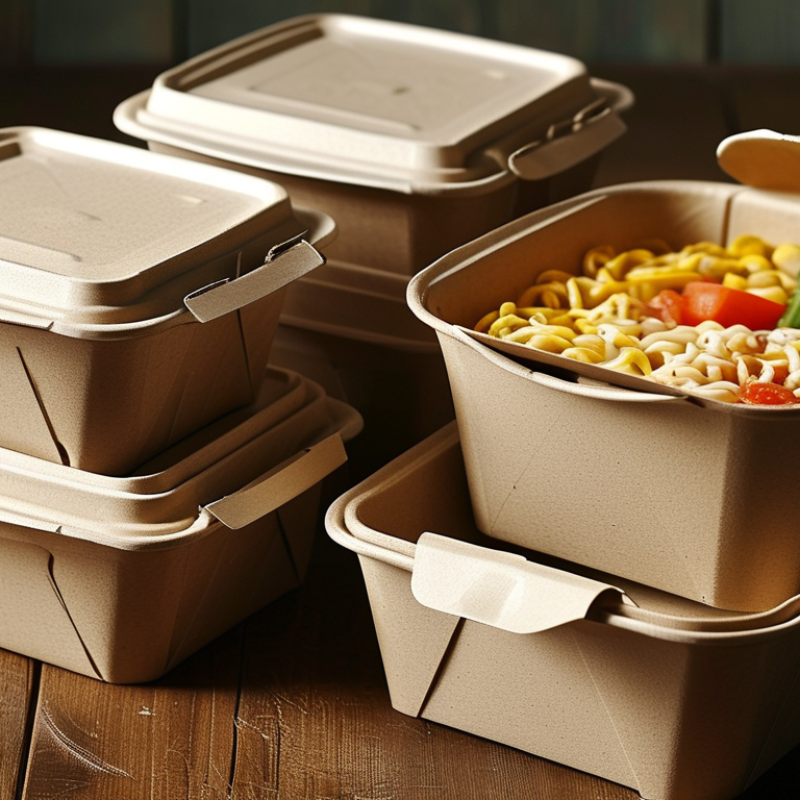
Choosing the best to-go containers starts with your actual service, not attractive shapes. Define what customers order most often. A soup shop needs leak resistance and secure lids. A bakery may need ventilation to protect crisp textures. Measure portion sizes, food temperature, holding time, and delivery distance. These details reveal whether you need insulation, stackability, or easy opening. They also prevent paying for features your business rarely uses.
Tips: Write down three common orders. Test each container with real food for 30 minutes. Check leaks, condensation, lid fit, and handling comfort. Ask staff to carry packed meals through a normal shift. Their feedback may expose problems customers never mention directly.
Your service goals should guide every packaging decision. Fast pickup requires quick packing and clear labeling. Delivery requires stable stacking and strong seals. A premium dining experience may need clean presentation and thoughtful portion visibility. Cost matters, but the cheapest option can create refunds, spills, or slower service. Review material performance, storage space, disposal instructions, and supplier consistency. Be honest about weak points. A container that works for noodles may fail with oily rice dishes. Small trials are more reliable than assumptions.

How to Choose the Best To Go Containers for Your Business?
Material choice should follow the food, delivery distance, and service speed. Polypropylene handles hot meals well and resists oils. PET offers clear presentation for chilled foods. Fiber containers feel natural, but moisture can soften them during longer deliveries. A practical test should include soup, fried food, stacking, and a 30-minute delivery simulation. A container may pass a desk test and still leak in a crowded delivery bag.
Design affects performance as much as material. Tight lids reduce spills, while small vents protect fried food from trapped steam. Stable bases help staff carry several meals safely. The OECD Global Plastics Outlook (2022) reports that packaging created about 40% of global plastic waste. In the United States, the EPA’s 2018 report found containers and packaging represented 28.1% of municipal solid waste generation. These figures support lighter designs, but reducing material too aggressively can cause cracks, warping, or poor heat retention. That trade-off deserves honest testing.
Tips: Compare cost per successful order, not cost per container. Request food-contact documentation and supplier test results. Check compostable claims against recognized standards, such as ASTM D6400 or D6868. Measure leakage, temperature, stacking height, and disposal options in your actual market. I would also review customer complaints monthly. Small failures often reveal more than a polished sample.
Choosing to-go containers starts with your menu, not a catalog. The National Restaurant Association’s 2024 State of the Restaurant Industry report found that 47% of adults order takeout at least weekly. That frequency makes size accuracy important. A container that is too large can make a normal portion look inadequate. A tight container may crush noodles, bread, or delicate toppings.
Test each core dish during a real delivery route. Check whether sauces leak after 20 minutes. Measure headspace for soups and steamed meals. Use divided designs for meals with crisp and wet components. Ventilation matters, too. Fried food needs airflow, while soup needs a secure, gasketed closure. Do not assume one material suits every recipe. I once preferred a deep container for salads, but greens wilted against trapped moisture. The mistake was useful.
The U.S. Environmental Protection Agency reported that containers and packaging generated 82.2 million tons of municipal solid waste in 2018, or 28.1% of total generation. This supports reducing unnecessary material, but lighter is not always better. A thin lid that pops open creates waste, refunds, and customer complaints. Compare stackability, leak resistance, temperature tolerance, and storage space. Confirm that the container fits your sealing equipment and delivery bags. Ask suppliers for food-contact documentation and clear temperature limits. Test first. Real kitchens are messier than specifications.
Compare typical serving volume with a practical container capacity for common menu categories. These planning ranges help balance portion fit, spill protection, stacking efficiency, and transport performance.
Selection tip: Choose a container with approximately 15–25% more capacity than the filled portion to allow for sauces, toppings, safe sealing, and transport movement. Use leak-resistant designs for soups and saucy foods, and vented lids for hot fried or steamed items.
How to Choose the Best To Go Containers for Your Business?
Sustainability, Food Safety, and Brand Presentation
Choosing to go containers requires more than comparing prices. In my experience, the cheapest option often creates extra waste through leaks, damaged meals, and customer complaints. Start with your menu. Hot soups need secure seals, while fried foods need ventilation to protect texture. Cold desserts require containers that resist condensation and remain clear.
Food safety should guide every specification. Select food-contact materials suitable for the temperatures and ingredients you serve. Ask suppliers for clear safety documentation, testing details, and storage instructions. Containers should close firmly without touching the food unnecessarily. Check for odor, color transfer, and lid failure during real service conditions. Do not rely only on a product photograph. Test samples with hot sauces, oily meals, and refrigerated items. A container that looks sturdy may soften after twenty minutes.
Sustainability also needs practical judgment. Consider recycled content, reusability, local disposal systems, and the energy used during production. A compostable container is not automatically a better choice if nearby facilities cannot process it. I once favored a lightweight design because it used less material. It warped under hot food. That decision needed more testing. Brand presentation matters too. Clean edges, transparent lids, and consistent sizing make meals appear intentional. Simple labels can show preparation time and reheating guidance without crowding the package. Customers notice small details. A crooked lid can weaken confidence before the first bite.
| Container Type | Typical Applications | Temperature Capability | Leak and Grease Resistance | Food-Safety Considerations | Sustainability Profile | Brand Presentation | Indicative Cost per Unit | Best Fit |
|---|---|---|---|---|---|---|---|---|
| Molded Fiber Bagasse, bamboo fiber, or recycled paper fiber | Hot entrées, rice dishes, salads, bakery items, and catering portions. | Commonly suitable for hot food up to approximately 90–100°C (194–212°F); exact limits vary by coating and design. | Good resistance to moderate moisture and grease. Extended exposure to sauces may soften some uncoated products. | Use only products documented for food contact. Some fiber products contain PFAS-free grease barriers; verify the supplier's declaration. | Renewable fiber Compostability varies Often compostable only where commercial composting facilities accept the product. | Natural, premium, and eco-conscious appearance. Suitable for printed sleeves, labels, or one-color graphics. | Approximately $0.10–$0.35, depending on size, lid, coating, and order volume. | Businesses emphasizing renewable materials and a natural presentation. |
| Paperboard with Aqueous Coating Folding cartons or paper meal boxes | Sandwiches, fried foods, noodles, pastries, and dry-to-moderately moist meals. | Commonly suitable for warm food up to approximately 80–95°C (176–203°F); not generally intended for direct oven use. | Moderate grease and moisture resistance. Performance depends heavily on the inner coating, seams, and closure. | Confirm food-contact compliance and the intended use with oily, acidic, or hot foods. Keep away from direct flame and conventional ovens. | Lightweight Recycling varies Paper recycling may be limited when heavily food-soiled or combined with plastic components. | Excellent printable surface for logos, color systems, product descriptions, and promotional messaging. | Approximately $0.08–$0.30, depending on board weight, printing, size, and closure style. | Takeaway concepts that prioritize printed brand presentation and low shipping weight. |
| Polypropylene (PP) Single-use or reusable plastic containers | Hot meals, soups, curries, meal prep, microwavable food, and delivery orders. | Many food-grade PP products are designed for hot food and microwave reheating; exact limits commonly range from approximately 100–120°C (212–248°F). | Very good leak resistance when paired with a properly fitted lid. Good resistance to oils and sauces. | Confirm microwave, dishwasher, and temperature claims for the exact product. Do not infer oven safety from microwave safety. | Durable Recycling access varies Reusable PP can reduce packaging use when a reliable return-and-wash system is available. | Clean, modern, and highly consistent. Clear or translucent versions improve food visibility; labels are usually needed for customization. | Approximately $0.12–$0.60 for single-use formats; reusable systems generally cost more initially. | Hot, saucy foods and operations requiring dependable stacking and delivery performance. |
| Polyethylene Terephthalate (PET) Clear plastic containers | Salads, cold bowls, fruit, desserts, sandwiches, and chilled prepared foods. | Generally intended for chilled or room-temperature food, often approximately 0–60°C (32–140°F); not suitable for most hot-fill or microwave applications. | Good clarity and strong resistance to moisture and many food ingredients. Hinged lids can provide secure closure. | Verify the product's temperature rating and food-contact documentation. Do not use for hot food unless explicitly rated. | Widely recognized resin Collection varies Recyclability depends on local collection, sorting, and market conditions. | Excellent product visibility and strong color contrast. Ideal when presentation depends on showing the food. | Approximately $0.08–$0.35, depending on clarity, shape, lid style, and order quantity. | Chilled products where visibility, freshness cues, and merchandising are important. |
| Aluminum Foil trays or takeout pans | Roasted meals, baked dishes, casseroles, catering portions, and oven-to-table service. | Suitable for high-temperature oven applications when the product is specifically rated for oven use. Do not use in a microwave. | Excellent resistance to grease, moisture, and sauces. Rigid walls support heavier meals. | Avoid prolonged contact with highly acidic or salty foods unless the product is designed for that use. Keep away from microwave ovens. | Recyclable where collected Aluminum recycling can preserve material value, but containers should be emptied and accepted by the local program. | Functional and catering-oriented. Printed paper lids, sleeves, or labels can add visual identity. | Approximately $0.15–$0.70, depending on gauge, capacity, lid type, and volume. | Oven-finished meals, catering, and products requiring high rigidity and heat tolerance. |
| Reusable Tritan or PP System Returnable container with collection and washing | Office meal programs, campuses, corporate dining, events, and controlled delivery loops. | Depends on the polymer and design; many systems support hot food, refrigeration, and commercial dishwashing within specified limits. | Excellent when the lid gasket and closure are maintained. Repeated washing can eventually affect seals and surface appearance. | Requires documented food-contact compliance, cleaning procedures, inspection criteria, and replacement rules. | Designed for repeated use Environmental benefit depends on return rate, number of cycles, transport distance, washing energy, and loss rate. | Durable, organized, and premium. Embossing, color coding, or removable labels can support brand recognition. | Approximately $1.00–$5.00+ per container initially, excluding collection, washing, logistics, and loss costs. | Businesses with predictable customer behavior and the infrastructure to collect, wash, and redeploy containers. |
Choosing the best to-go container starts with total cost, not unit price. Add the container, lid, freight, storage, labor, and waste from damaged stock. A $0.18 container may cost $0.24 after delivery and handling. Track cost per completed order.
Supplier quotes need comparable details. Request samples, case counts, lead times, minimum order quantities, and material specifications. Then test leakage, stacking, heat retention, and lid fit during a busy service period. The U.S. EPA’s Facts and Figures report estimated 82.2 million tons of containers and packaging entered the municipal waste stream in 2018. Better material choices cannot solve every waste problem, but poor-fit packaging creates avoidable disposal.
Long-term value requires a simple purchasing model. Calculate annual spend, replacement rates, storage space, and the cost of stockouts. The National Restaurant Association’s 2024 industry report projected restaurant sales above $1 trillion, showing the scale of purchasing decisions across foodservice. Small savings multiply quickly. A $0.03 reduction across 500,000 annual orders saves $15,000 before freight changes. Review suppliers quarterly. Prices move.
My early comparisons were too narrow. I ignored storage space and staff time. That mistake matters. Choose the lowest reliable total cost, not the cheapest invoice. Supplier stability, documented specifications, and responsive quality support protect the value you expect to keep.
“Establish the work of our hands”
Psalm 90:17b