How to Choose the Right Care Home Care for Your Loved Ones?
Choosing the right care home care is a crucial decision for families. It affects not only the individual receiving care but also the entire family dynamic. Renowned expert Dr. Emily Carter, a gerontology specialist, emphasizes, “Selecting a care home is about finding a supportive environment tailored to the individual's needs.”
Many families face challenges in evaluating different care home options. Some facilities may boast impressive amenities but lack personalized care. A visit can reveal the true atmosphere. Factors like staff-to-resident ratios and the overall engagement of caregivers are pivotal. It's not just about comfort; quality of life matters significantly.
Expectations can sometimes lead to disappointment. Families may overlook subtle signs of neglect or poor interaction. It's essential to trust but verify. Conversations with current residents and family members can provide insight. Ultimately, selecting the right care home care requires careful consideration and reflection on what truly matters for your loved one.

Understanding Different Types of Care Homes Available for Seniors
When selecting a care home for seniors, it's important to understand the different types available. Many families are unaware of the options. Care homes mainly fall into three categories: residential, nursing, and specialized care facilities. Each caters to unique needs.
Residential care homes offer personal assistance with daily activities. They provide companionship and a home-like environment. In contrast, nursing homes deliver 24-hour medical care. This is crucial for seniors with chronic illnesses. Specialized care facilities focus on dementia and Alzheimer’s patients, ensuring tailored support.
Families must assess the senior's specific needs before choosing. This requires honest conversations and thorough evaluations. Sometimes, facilities seem perfect but don’t meet the specific health or emotional needs of your loved one. It’s vital to visit multiple homes to get a feel for the environment. Hands-on experiences with staff and residents reveal a lot about each facility’s culture. Every choice may have imperfections, so weighing pros and cons becomes necessary.
Assessing the Needs and Preferences of Your Loved One
Choosing the right care home for your loved ones requires a deep understanding of their individual needs and preferences.
According to the National Center for Assisted Living, nearly 60% of families report that they chose a nursing home based on the comfort and familiarity of the environment.
This highlights the importance of familiarity and emotional connection in decision-making.
Understanding your loved one’s specific requirements is crucial. Consider their health conditions, mobility, and social needs.
A study from the American Health Care Association indicates that 77% of seniors prioritize social interaction.
This suggests that engaging community activities can significantly impact their well-being. Yet, what if the selected home lacks such options?
Reflecting on such aspects can prevent future regrets.
Evaluation of staff qualifications is equally important. Many families overlook this aspect.
According to a survey conducted by the Commonwealth Fund, 42% of care home residents reported dissatisfaction with staff interactions.
This dissatisfaction often stems from inadequate training or high turnover rates. Taking the time to assess care staff through interviews or reviews
can lead to a more informed choice.
Evaluating the Quality and Credentials of Care Home Facilities
Choosing a care home for your loved ones can be overwhelming. One of the key factors is evaluating the quality and credentials of facilities. Start by reviewing their licenses and certifications. These are essential indicators of safety and service standards. Many countries require care homes to undergo regular inspections. Ensure that the facility meets or exceeds these requirements.
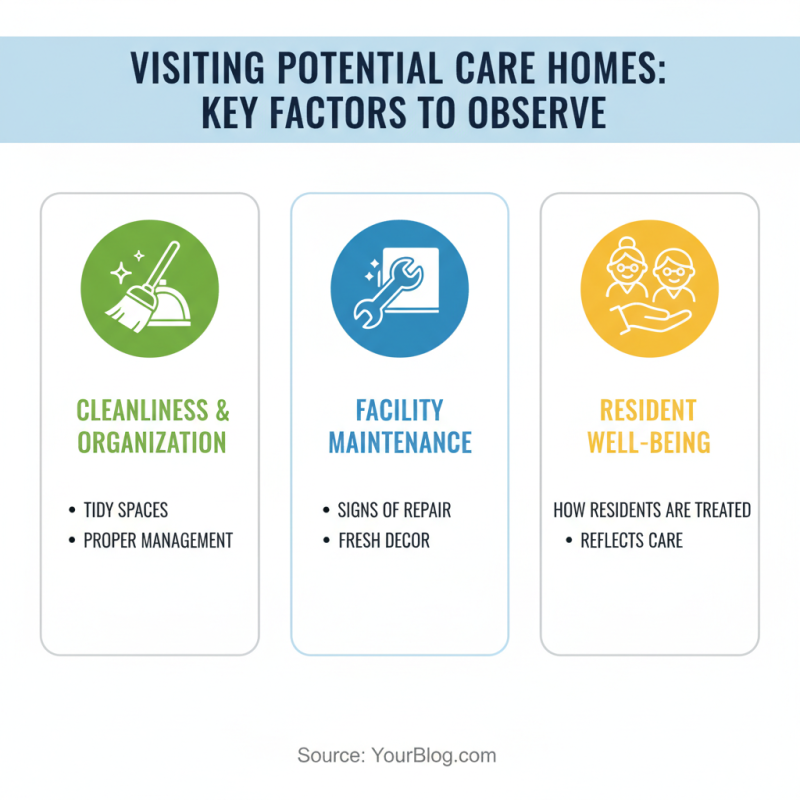
Tips: Visit the care homes in person. Observing the environment helps to assess cleanliness and atmosphere. Speak with staff members to gauge their professionalism. Ask about their training and experience. This interaction can reveal a lot about the quality of care.
Moreover, read online reviews. They provide insights from families who have experience with the care home. While some reviews may be biased, trends can emerge. Pay attention to common praises and complaints. A pattern of positive feedback about staff or activities can indicate a quality facility.
Remember, not every care home will be perfect. No system is without flaws. Some facilities may struggle with high staff turnover. Others might lack in certain amenities. Reflect on what matters most to your loved one. Prioritize their needs to find the best fit.
How to Choose the Right Care Home Care for Your Loved Ones?
| Facility Name |
Location |
Quality Rating |
Credentials |
Specialties |
Staff-to-Resident Ratio |
| Sunnydale Care Home |
California |
4.5/5 |
Licensed and Certified |
Alzheimer's, Respite Care |
1:5 |
| Green Valley Assisted Living |
New York |
4.0/5 |
Medicaid Certified |
Memory Care, Rehabilitation |
1:6 |
| Maple Leaf Care Center |
Texas |
4.8/5 |
State Licensed |
Long-term Care, Palliative Care |
1:4 |
| Riverside Senior Living |
Florida |
4.2/5 |
Accredited |
Physical Therapy, Social Activities |
1:7 |
Financial Considerations and Options for Affording Care Homes
Choosing a care home for loved ones involves crucial financial considerations. In the U.S., the average monthly cost for assisted living is approximately $4,300. This can vary significantly based on location and level of care required. Families need to assess their budget and explore payment options early in the process.
Long-term care insurance is one option to consider. However, only about 7 million Americans hold this type of policy, limiting its widespread impact. Medicaid can also assist, covering costs for eligible individuals. Yet, its eligibility requirements can be complex. Many families face the challenge of balancing quality care with financial reality.
Another factor to reflect on is the hidden costs of care homes. These often include extra charges for certain services. Understanding these costs is crucial. Families should ask detailed questions during facility visits. It’s essential to have clear information to avoid unexpected fees later on. Regular assessment of care home expenses can create a clearer financial picture. This ensures that families are prepared for the commitment involved in long-term care.
Financial Considerations for Care Homes
This chart illustrates the financial considerations when choosing a care home, highlighting the monthly and annual costs, the average savings needed for care home expenses, and the percentage of potential government assistance. Understanding these factors is crucial for making informed decisions regarding care home options.