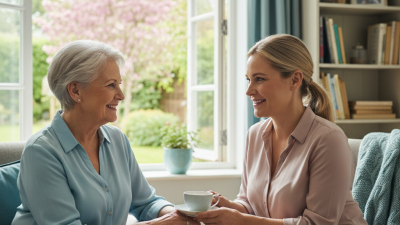
Why Choose Elderly Home Care for Your Loved Ones?
Elderly home care has become a crucial option for many families. It offers personalized support while allowing seniors to age in the comfort of their own homes. This choice not only promotes independence but also enhances the quality of life for elderly individuals.
In many cases, families struggle to provide the care their loved ones need. Balancing work and personal commitments can be overwhelming. Engaging a professional team for elderly home care fills this gap effectively. These caregivers are trained to handle specific health concerns. Their expertise ensures that seniors receive the right assistance.
Choosing elderly home care can also be a challenging decision for families. It involves navigating emotions and logistics. However, the advantages often outweigh the difficulties. Families can experience peace of mind, knowing that their loved ones are safe and well-cared for. However, reflecting on the resources available and the specific needs of seniors is essential. This choice demands careful consideration to ensure it is the best fit.

Benefits of Elderly Home Care for Families
Choosing elderly home care for your loved ones offers significant benefits for families. One key advantage is improved well-being. Home care enables seniors to stay in a familiar environment. This boosts their comfort and can lead to better mental health. Families often notice a reduction in feelings of anxiety when their loved ones receive care at home.
Additionally, in-home care provides personalized support tailored to individual needs. This means that caregivers can focus on specific health issues. Whether it's assistance with daily tasks or specialized medical care, the support is customized. Families gain peace of mind knowing that their loved ones are receiving attention suited to their unique circumstances.
However, it’s essential to acknowledge that home care may not be perfect. Some families face challenges in finding qualified caregivers. Others might struggle with the emotional burden of providing care themselves. Open communication among family members can help address these concerns. Discussing expectations and responsibilities is vital to creating a supportive environment for everyone involved.
Understanding the Unique Needs of Seniors
Elderly individuals often have unique needs that differ from younger generations. Their requirements may include assistance with daily activities, companionship, and medical care. Understanding these needs can help families make informed decisions about home care.
Some seniors may struggle with mobility, requiring help to navigate their homes safely. Others might need support with personal hygiene or meal preparation. A tailored home care plan addresses these specific challenges, ensuring comfort and security for loved ones.
**Tips for Effective Home Care:**
- Evaluate your loved one’s daily routine. Identify areas needing support.
- Communicate openly with caregivers. Share insights about your family member’s preferences.
- Consider social interactions. Engage seniors in community activities to combat loneliness.
Respecting the dignity of seniors is crucial. Some may find it hard to accept help. This can create tensions between caregivers and their loved ones. Maintaining patience and understanding is key. Regular conversations about feelings can mitigate frustrations and foster a supportive environment.
Understanding the Unique Needs of Seniors: Reasons for Choosing Elderly Home Care
Comparing Home Care with Other Care Options
When considering elderly care, home care emerges as a compelling option. Unlike nursing homes, home care allows seniors to remain in familiar surroundings. This comfort can significantly enhance their emotional well-being. Many families debate between different options, but home care offers personalized attention tailored to individual needs.
In shared care settings, attention may be diluted among many residents. Personalized home care, however, provides focused support. Caregivers can address specific health challenges and preferences. This approach fosters stronger relationships with caregivers, benefiting the elderly. Sometimes, the emotional impact of companionship is overlooked. Yet, it's vital for seniors’ happiness.
Tips for choosing home care: Ensure caregivers have relevant training. Look for experience in geriatric care. Communication is key, so choose a service that listens. Consider flexible scheduling to meet changing needs. Regular check-ins can help families stay connected to their loved ones' well-being. Reflect on these factors when exploring care options, as each family has unique needs.
Why Choose Elderly Home Care for Your Loved Ones?
| Care Option |
Personalized Care |
Cost (Monthly) |
Social Interaction |
Comfort of Home |
| Home Care |
Highly Personalized |
$3,000 |
High |
Yes |
| Assisted Living |
Moderately Personalized |
$4,500 |
Moderate |
No |
| Nursing Home |
Standard Care |
$7,000 |
Low |
No |
| In-Home Nursing |
Customized |
$5,000 |
Moderate |
Yes |
Key Services Provided in Home Care for the Elderly
Home care for the elderly offers essential services tailored to individual needs. Personal care is one crucial service. Caregivers assist with bathing, dressing, and grooming. This usually helps seniors maintain their dignity and hygiene. Another vital service includes medication management. Caregivers ensure medications are taken on time, reducing the risk of complications.
Companionship is an often overlooked yet significant part of elderly home care. Many seniors experience loneliness. Regular visits from caregivers can provide emotional support and social interaction, enhancing their overall well-being. Additionally, homemaking services are important. Tasks like cooking and cleaning are often difficult for seniors. Having someone to help with these chores can be a relief.
While these services are beneficial, they may not be perfect. Some families worry about the quality of care. Communication between caregivers and family members is key. Ensuring everyone is on the same page can improve the experience. Regular feedback also aids in enhancing care quality. Care is a journey, and it requires continuous reflection and adjustment.
Selecting the Right Home Care Provider: What to Look For
Choosing the right home care provider is crucial for your loved ones. Statistics show that nearly 90% of seniors wish to remain at home as they age. Finding a trustworthy, experienced caregiver can make a significant difference in their quality of life. You want to ensure that they receive personalized care, respecting their preferences and needs.
Look for providers with solid credentials. Many caregivers are certified by recognized organizations. A reliable provider often showcases transparent practices and has positive reviews. You might also want to ask for references from their previous clients. These steps help verify their credibility and experience.
Tips: Ensure that the caregiver matches your loved one’s personality and health needs. Scheduling a trial period can also help assess compatibility. Not all caregivers are alike; some may lack the necessary experience or compassion. It’s important to communicate openly about what is expected. Evaluate their response and willingness to accommodate specific requirements. This approach builds a better understanding and can enhance care quality.