2026 Best Practices for Compassionate Care in Healthcare Settings?
In the evolving landscape of healthcare, the focus on compassionate care is more crucial than ever. Compassionate care goes beyond clinical effectiveness. It embraces empathy, respect, and understanding for patients and their families. Healthcare providers are called to address not just physical ailments but emotional and psychological needs as well.
There are many challenges in implementing compassionate care. Staff burnout, time constraints, and high patient loads can hinder genuine connections. Despite these obstacles, healthcare professionals must strive to develop meaningful relationships with patients. Small gestures, like listening attentively or providing emotional support, can make a significant impact.
Reflecting on the practice of compassionate care encourages growth. It invites healthcare workers to assess their interactions with patients critically. Are they truly present? Do they recognize the individual behind the illness? Engage with poignant moments. This journey toward more compassionate care requires ongoing effort and a willingness to learn from experiences.

Understanding Compassionate Care in Healthcare Settings
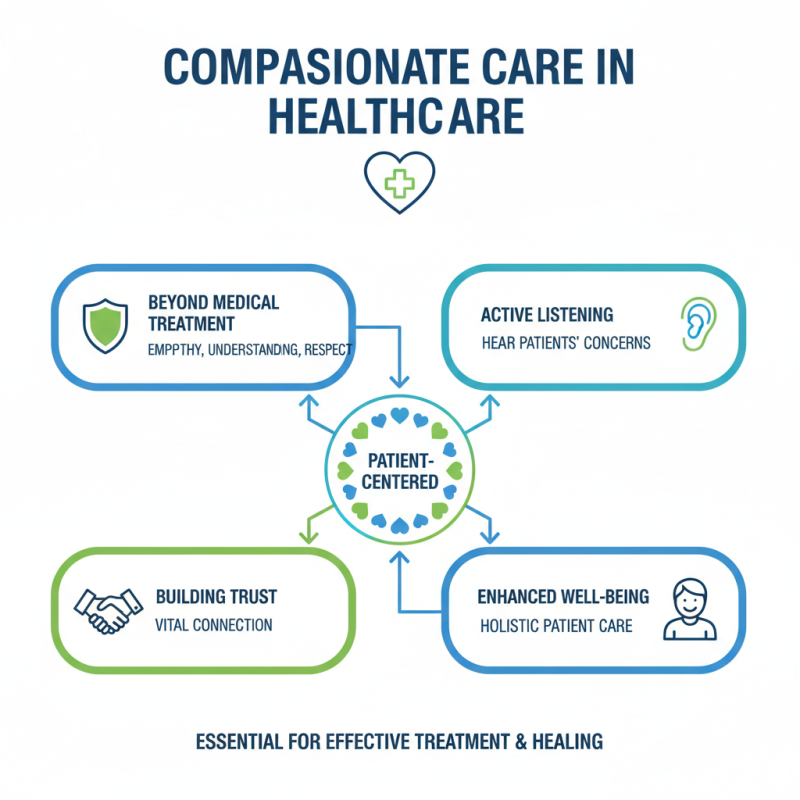
Compassionate care in healthcare settings is essential for patient well-being. It goes beyond medical treatment. It involves empathy, understanding, and respect for each patient’s unique experience. Healthcare professionals must actively listen to patients. Truly hearing their concerns can build trust. This connection is vital for effective treatment.
Developing compassionate care is an ongoing process. Staff may struggle with burnout or fatigue, which can hinder compassion. Reflection on personal feelings and experiences can help. Regular training and open discussions can improve the environment. Simple gestures, like a warm smile, can greatly impact. Even small acts of kindness can create a more supportive atmosphere.
Incorporating compassionate care into routine practices is essential. This may involve adjusting schedules to allow for longer patient interactions. However, it also requires addressing systemic issues. When healthcare environments feel rushed, compassion can fade. Finding a balance is challenging but necessary for a holistic approach. Creating a compassionate culture requires effort from everyone involved.
Key Principles of Compassionate Care for Healthcare Professionals
Compassionate care is vital in healthcare settings. It goes beyond basic treatment. Healthcare professionals need to connect emotionally with patients. This connection can make a significant difference in patient outcomes.
Key principles of compassionate care include active listening and empathy. Patients often want to feel heard and understood. A simple nod or comforting phrase can ease their anxiety. However, maintaining this connection is challenging. Professionals often feel overwhelmed and may rush through conversations, missing important cues.
Creating a compassionate environment requires self-awareness and reflection. Healthcare workers should assess their own emotions regularly. It’s easy to become detached in stressful situations. Taking a moment to breathe can help refocus attention on the patient’s needs. Encouraging teamwork can also enhance compassionate care. Colleagues can support each other in this effort, reminding each other of the human side of healthcare.
2026 Best Practices for Compassionate Care in Healthcare Settings
Strategies for Implementing Compassionate Care Practices
Compassionate care is essential in healthcare. It goes beyond medical treatment. It's about understanding patients as individuals with unique stories and emotions. Staff can implement strategies that foster this environment. Simple actions, like eye contact or a warm greeting, can make a significant difference. A smile can ease anxiety and build trust.
Training programs can help staff develop empathetic communication skills. Role-playing scenarios allows them to practice responses to various patient needs. Regular reflections on experiences can also enhance their ability to provide compassionate care. However, challenges remain. Time constraints often hinder deep interactions. Staff may feel overwhelmed, which can affect their ability to connect.
Creating a supportive workplace is crucial. Encouraging teamwork fosters a sense of belonging. Regular check-ins can help staff share their struggles. Acknowledging imperfections in care can spark conversations on improvement. Compassionate care is an ongoing journey that requires persistent effort and adaptation to changing circumstances.
Measuring the Impact of Compassionate Care on Patient Outcomes
Compassionate care has a profound impact on patient outcomes. When healthcare providers show empathy, patients feel more comfortable. This emotional connection often leads to improved satisfaction. For instance, a patient who feels understood is likely to share more about their condition. This open dialogue enables better diagnosis and treatment. However, not every healthcare professional excels in this area. Some may struggle to balance compassion with clinical efficiency.
Measuring the impact of compassionate care can be challenging. Evidence suggests that empathetic interactions can shorten recovery times. Studies indicate that patients often report lower pain levels when treated with understanding. Yet, quantifying these outcomes remains complex. Patient feedback can be subjective and varies greatly. Institutions must find reliable methods to track these changes. It’s essential to recognize that even small gestures can make a significant difference. A kind word or a listening ear may not be enough alone, but they are crucial in creating a healing environment.
Healthcare settings must strive for continuous improvement in compassionate care. There is always room for growth. Recognizing the limitations of current practices is key. Providers must be encouraged to reflect on their interactions. This reflection can foster deeper connections with patients. In this evolving landscape, compassion becomes a vital ingredient in enhancing health outcomes.
Training and Resources for Healthcare Staff on Compassionate Care
Compassionate care is crucial in healthcare settings. Training healthcare staff is essential for fostering an empathetic environment. Medical professionals often juggle multiple tasks. They may overlook the emotional needs of patients. Focusing on compassionate care can change that.
Workshops and seminars can provide valuable resources. These sessions teach staff to communicate effectively. Role-playing scenarios help staff practice empathy. Participating in these activities may feel awkward at first. However, over time, they build confidence and skills.
Providing ongoing support is vital for sustaining change. Regularly scheduled training helps reinforce learned behaviors. Staff can also share experiences to learn from each other. Reflecting on daily interactions allows for personal growth. Compassion can flourish with practice, but perfection is not the goal. It’s about making small, consistent efforts.
2026 Best Practices for Compassionate Care in Healthcare Settings
| Practice |
Description |
Training Resource |
Implementation Focus |
| Active Listening |
Engaging patients through attentive listening to understand their concerns and needs. |
Workshops on Communication Skills |
Patient Engagement |
| Empathy Training |
Training staff to empathize with patients' feelings and perspectives. |
Online Empathy Courses |
Staff Development |
| Cultural Competence |
Understanding and respecting diverse cultural backgrounds of patients. |
Cultural Competence Training Programs |
Diverse Populations |
| Patient-Centered Care |
Putting patient preferences and values at the forefront of care decisions. |
Patient-Centered Care Framework Guides |
Care Delivery |
| Emotional Support |
Providing emotional assistance and understanding for patients and families. |
Support Group Collaboration |
Patient Well-being |