
Reliable, Trusted and Compassionate Home Care Agency

7 Florida Care Tips for International Buyers?

Buying a Florida property from abroad can feel exciting, but ownership begins after closing. Salt air, intense sunlight, heavy rain, and sudden humidity can quietly damage a home. A locked-up property may look fine in December and show mold or roof problems by summer.

This guide introduces seven practical florida care tips for international buyers. It focuses on routine inspections, storm preparation, air-conditioning maintenance, landscaping, pest prevention, and reliable local support. Each area deserves attention because Florida’s climate rarely forgives long periods of neglect. A monthly visit, video inspection, or trusted property manager can reveal leaking faucets, clogged gutters, standing water, or a failing pool pump before repairs become expensive.

Professional advice matters here. Licensed contractors, qualified inspectors, insurance professionals, and experienced property managers can explain conditions that photographs often miss. Keep service records, invoices, warranty details, and inspection reports in one secure digital folder. Ask for dated photos after every major visit. Small details matter.

Remote ownership is not always simple. I once underestimated how quickly a minor irrigation leak could affect landscaping and utility costs. That mistake changed my maintenance checklist. Still, no checklist replaces judgment. Local weather varies, vendors make errors, and insurance requirements can change. International buyers should verify current information with appropriate Florida professionals before acting. Careful planning protects the property, supports its long-term value, and creates fewer surprises across time zones.
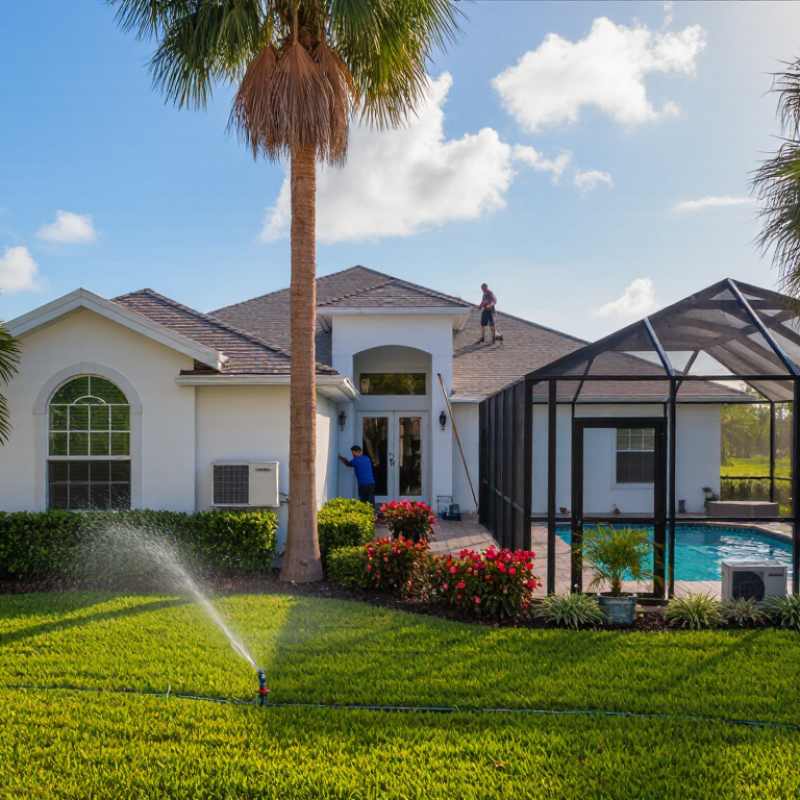
7 Florida Care Tips for International Buyers?

Understand Florida’s Climate and Its Effects on Property

Florida’s climate varies by coast, but heat, humidity, heavy rain, and hurricanes shape property upkeep. NOAA’s 2022 Sea Level Rise Technical Report projects 14–18 inches of rise along the Gulf Coast by 2050, relative to 2020 levels. This is a regional projection, not a forecast for every address. Check a property’s elevation, drainage, and flood history rather than relying on county averages. Water finds weak points.

NOAA’s Atlantic hurricane season runs from June 1 through November 30. Buyers should inspect roof age, window protection, gutters, and nearby trees before closing. After a summer downpour, look for damp smells, bubbling paint, or stains beneath window frames. Small leaks matter. Salt air can also accelerate corrosion on exposed metal, especially near the coast. Ask a qualified inspector to examine air-conditioning equipment, roof connections, and signs of moisture intrusion. FEMA flood maps can help assess mapped flood hazards, but they do not replace a site-specific inspection. I would not assume a newer home is automatically safer; construction details and maintenance still count. For overseas owners, budget for routine checks during humid months, when a small ventilation or drainage problem can become costly.

7 Florida Care Tips for International Buyers: Understand Florida’s Climate and Its Effects on Property

Florida’s warm, humid climate and seasonal rainfall can affect roofs, drainage, landscaping, exterior finishes, and indoor air quality. Annual precipitation varies considerably across major locations.

Average annual precipitation shown in inches, based on 1991–2020 U.S. climate normals for selected Florida locations.

Seven Climate-Smart Property Care Tips

  1. Inspect the roof, flashing, and gutters before and after the wet season.
  2. Keep gutters, downspouts, and drainage channels clear to reduce water intrusion.
  3. Check stucco, exterior paint, windows, and doors for moisture-related damage.
  4. Use dehumidification and adequate ventilation to help control indoor humidity and mold risk.
  5. Maintain trees and branches near the home, especially before periods of strong storms.
  6. Confirm that landscaping slopes away from the foundation and does not block drainage.
  7. Review flood, windstorm, and hurricane coverage because standard property insurance may not cover every climate-related risk.

Review Ownership Rules, Taxes, Insurance, and Local Requirements

International buyers should verify seven Florida ownership issues before signing. Confirm eligibility under current federal and Florida rules, especially for agricultural land or property near protected facilities. A Florida real-estate attorney should review title, surveys, and purchase documents. The National Association of Realtors’ 2024 report found that Florida attracted 20% of U.S. foreign buyers, the largest state share. Popularity does not remove legal risk.

Estimate property taxes using the county assessor’s records. Nonresident owners generally cannot claim homestead benefits. Ask a certified public accountant about rental income, withholding, and potential FIRPTA obligations when selling.

Insurance needs careful inspection. Wind, hurricane, and flood coverage may involve separate policies. FEMA guidance indicates that federally backed mortgages can require flood insurance in designated high-risk zones. Check roof age, shutters, drainage, and elevation certificates. Salt air damages metal faster than many overseas buyers expect.

Then review county permits, short-term rental rules, and condominium or homeowners’ association restrictions. Local requirements can change between neighboring cities. Obtain written insurance quotes before the inspection deadline. Keep translated copies of contracts, tax records, and maintenance invoices. Do not assume an LLC solves every ownership concern. It may add filing and tax duties. My practical mistake would be trusting a broker’s estimate without testing it against county records. A spreadsheet can still miss storm repairs, special assessments, or restricted rental periods. Use licensed professionals, and question every unexplained fee.

Inspect the Property and Plan for Weather-Related Risks

Florida Care Tips for International Buyers

Inspect the property before relying on photographs or a seller’s description. A qualified, licensed inspector should examine the roof, structure, electrical system, plumbing, air conditioning, and drainage. Ask for close photographs of roof edges, window seals, attic insulation, and exterior cracks. Small stains may signal repeated leaks, not old damage. Check for mold behind cabinets and around air vents. It can hide in warm, humid rooms. Review permits and repair records with a local professional. International buyers should also request clear explanations of unfamiliar construction terms. Never assume a recent renovation was completed properly.

Plan for hurricanes, flooding, intense rain, and long periods of heat. Inspect shutters, windows, garage doors, roof connections, and backup power arrangements. Ask whether the home sits in a flood-prone area. An elevation certificate and current insurance estimate can reveal risks that a viewing misses. Examine gutters, swales, retaining walls, and nearby trees after heavy rain, if possible. Water should move away from the foundation. It sounds simple. It is often overlooked. I would not depend on one inspection alone; a second opinion may expose a costly weakness. Keep a written record of defects, questions, and promised repairs before making decisions.

Arrange Routine Maintenance and Trusted Local Services

7 Florida Care Tips for International Buyers?

Arrange Routine Maintenance and Trusted Local Services

Florida homes need regular attention, especially when owners live overseas. Humidity can encourage mold in closets, bathrooms, and air-conditioning systems. Salt air may corrode exterior fixtures near the coast. Arrange a monthly visit to check leaks, ventilation, pest activity, and unusual odors. Keep dated photographs after every inspection. Small problems become expensive when nobody sees them.

Create a maintenance calendar for air-conditioning filters, roof checks, gutter cleaning, pool equipment, and storm preparation. A qualified technician should inspect the cooling system before the hottest months. Ask for written findings, photographs, and clear repair estimates. Do not approve vague charges. Local knowledge matters here. A contractor familiar with nearby flood patterns may notice drainage concerns that a distant provider misses.

Build a small network of dependable local services rather than relying on one person. Verify licenses, insurance, references, and availability before granting access to the property. Use a secure key process and record every visit. Digital invoices help international owners track costs across time zones. Still, no checklist is perfect. A missed window seal or silent water leak can escape routine inspections, so independent reviews are valuable. Keep emergency contacts current, including a property manager, plumber, electrician, and storm-related service provider.

Secure and Monitor the Property While You Are Abroad

When you live overseas, an empty Florida home can be hard to watch. Arrange for a trusted local caretaker to visit on a set schedule and after major storms. Ask them to check doors, windows, plumbing, air conditioning, and visible signs of water intrusion. A dated photo of each room can help you compare conditions over time. Keep a written log. Small details matter.

Protect access without making the property feel unattended. Use sturdy locks, secure sliding doors, and keep spare keys with one carefully chosen local contact. Set up monitored alarms or leak sensors where practical, and confirm that alerts reach someone who can respond in Florida. Test the devices before leaving; a notification that goes nowhere is not much help. I learned that the hard way.

Before departure, give your caretaker emergency contacts, utility shutoff locations, and clear instructions for urgent repairs. Agree on spending limits in writing, and ask for receipts and brief updates after each visit. Check that your property insurance requirements are understood, especially rules about inspections during extended vacancies. Even a good plan can miss something. Review it after the first month and adjust based on what the property actually needs.

7 Florida Care Tips for International Buyers: Secure and Monitor the Property While You Are Abroad
Care Tip Practical Actions Suggested Check What to Document or Monitor
1. Arrange reliable local oversight Choose a dependable local property manager or inspector, agree on access and emergency procedures, and keep current contact details for tradespeople. Confirm contacts and access arrangements at least twice a year. Written inspection reports, dated photos, maintenance records, and a clear process for approving urgent work.
2. Secure doors, windows, and keys Use quality deadbolts and window locks. Rekey or change access codes after a purchase, staff change, or lost key; avoid leaving spare keys in obvious locations. Test locks during each property visit and review access after any change in occupancy. Who has keys or codes, when codes were changed, and whether doors and windows latch correctly.
3. Add remote alerts for water and power issues Consider leak sensors near water heaters, sinks, and washing machines, plus alerts for loss of power or unusually high indoor temperature. Have a local person respond to alerts. Test sensors and notifications monthly; replace batteries as needed. Alert history, sensor test dates, and the contact responsible for checking the property after an alert.
4. Prepare for Florida’s storm season Make a written plan for shutters or other approved protection, outdoor furniture, drainage, and post-storm checks. The Atlantic hurricane season runs from June 1 through November 30. Review the plan before each hurricane season and monitor official weather alerts when a storm threatens. Shutter instructions, vendor contacts, before-and-after photos, and a record of any storm damage or repairs.
5. Check for moisture and pest problems Ask the local contact to look for leaks, musty odors, visible mold, standing water, damaged screens, and signs of insects or rodents. Address water intrusion promptly. Include these checks in routine visits, with an additional check after heavy rain or a reported leak. Photos of affected areas, dates of findings, moisture-related repairs, and any follow-up inspection.
6. Use cameras and smart devices responsibly Secure device accounts with strong, unique passwords and multi-factor authentication where available. Position exterior cameras to monitor your own property and respect neighbors’ privacy; check applicable privacy and recording laws before recording audio or using cameras in an occupied rental. Review account access and device settings quarterly and after a change in occupancy. Authorized users, software updates, camera coverage, and a documented process for changing passwords or removing access.
7. Keep insurance and emergency records accessible Review property coverage with a qualified insurance professional, confirm the policy’s applicable deductibles and exclusions, and store policy details and emergency contacts securely online. Review coverage at renewal and update records after renovations or changes in property use. Policy documents, claim contact details, an inventory of valuable items, and dated photos of the property’s condition.